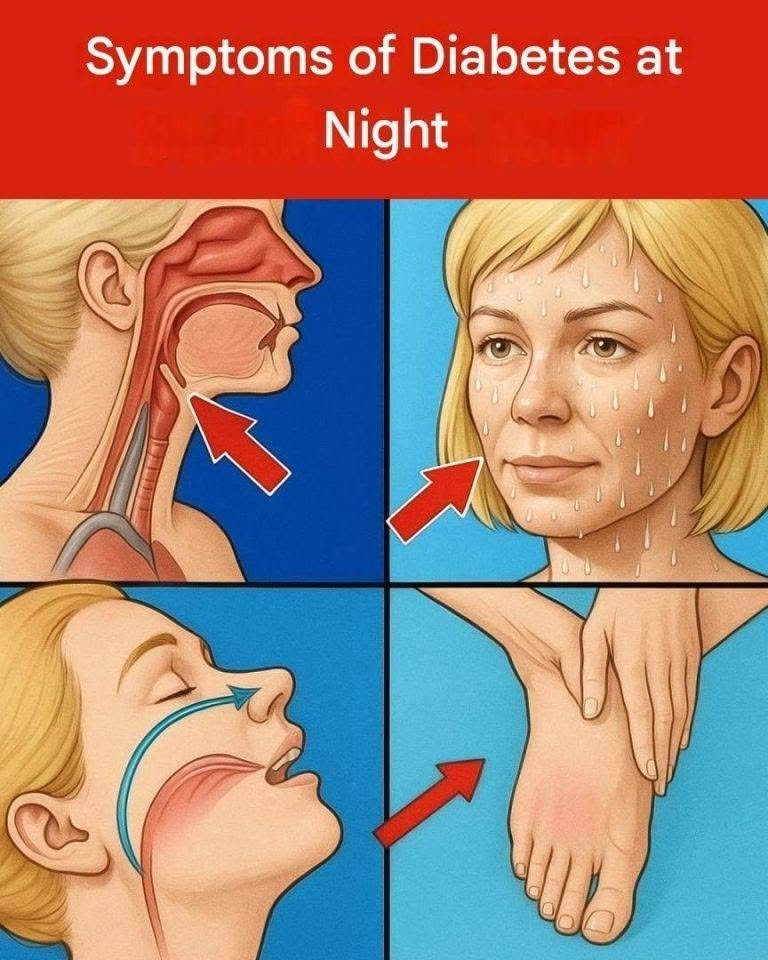
5 Diabetes Symptoms That Can Appear at Night
Diabetes doesn’t always announce itself with obvious symptoms during the day. In some people, signs become especially noticeable at night—when they’re trying to sleep and changes in thirst, urination, sweating, or nerve sensations become difficult to ignore.
But there’s an important warning:nighttime symptoms alone cannot diagnose diabetes. Many of these signs have other possible causes. A blood test is needed to determine whether your blood glucose is normal, elevated, or in the diabetic range.
Here are five nighttime symptoms worth knowing.
1. Waking Up Repeatedly to Urinate
One of the classic symptoms associated with high blood glucose is frequent urination.
When blood glucose becomes high enough, the kidneys may begin eliminating excess glucose through urine. Water follows that glucose, increasing urine production.
You may notice that you’re waking up multiple times during the night to use the bathroom.
Occasionally waking once isn’t necessarily concerning. But if you suddenly begin getting up several times every night—especially if you’re also unusually thirsty—it’s worth discussing with a healthcare professional.
Nighttime urination can also result from an enlarged prostate, urinary problems, medications, excessive evening fluid intake, or sleep disorders.
2. Intense Thirst or a Very Dry Mouth
If you’re losing more fluid through frequent urination, your body may respond with increased thirst.
You might wake up with a dry mouth and feel that you need to drink water before going back to sleep.
Persistent excessive thirst is more concerning when it occurs together with frequent urination, unexplained weight loss, or fatigue.
However, dry mouth isn’t specific to diabetes. Mouth breathing, snoring, dehydration, medications, alcohol, and certain medical conditions can all cause it.
3. Night Sweats, Shaking, or Sudden Awakening
This symptom needs an important clarification: night sweats can be associated with low blood sugar rather than high blood sugar.
For people taking insulin or certain diabetes medications, blood glucose can sometimes fall too low during sleep.
Possible symptoms include:
- Sweating
- Shaking
- Fast heartbeat
- Hunger
- Anxiety
- Nightmares
- Confusion
- Waking suddenly
If you have diabetes and repeatedly wake up sweaty, shaky, or confused, talk to your healthcare professional. They may recommend checking your glucose at particular times or reviewing your treatment.
Don’t change diabetes medication doses yourself.
Night sweats can also have many causes unrelated to blood sugar.
4. Burning, Tingling, or Numb Feet
Long-term high blood glucose can damage nerves, a complication known as diabetic peripheral neuropathy.
The symptoms often begin in the feet and may include:
- Tingling
- Burning
- Pins-and-needles sensations
- Numbness
- Shooting or electric-like pain
Some people notice these sensations more at night because there are fewer distractions.
Don’t assume persistent burning or numbness is simply part of getting older. Other nerve conditions, vitamin deficiencies, medications, alcohol use, and circulation problems can also cause similar symptoms.
If these sensations are new or worsening, have them evaluated.
5. Poor Sleep and Unexplained Fatigue
Diabetes can interfere with sleep in several ways.
Frequent urination may repeatedly wake you. Neuropathic pain can make it difficult to stay asleep. Low blood sugar can cause sweating, nightmares, or sudden awakening.
Over time, repeatedly disrupted sleep can leave you exhausted during the day.
But poor sleep and fatigue are extremely common and can have many explanations, including sleep apnea, insomnia, stress, anemia, thyroid disorders, medications, and depression.
If you’re consistently exhausted despite getting enough time in bed, talk with a healthcare professional rather than assuming it’s simply aging.
Diabetes Can Also Be Completely Silent
This is one of the most important things to understand.
A person can have type 2 diabetes for a considerable period without experiencing obvious symptoms.
That’s why you shouldn’t wait for nighttime warning signs before getting tested if you have risk factors.
Testing may be particularly appropriate if you have a family history of diabetes, high blood pressure, excess body weight, physical inactivity, abnormal cholesterol, or a history of gestational diabetes.
High Blood Sugar vs. Low Blood Sugar
The distinction matters.
Possible high-blood-sugar symptoms include:
- Excessive thirst
- Frequent urination
- Fatigue
- Blurred vision
- Unexplained weight loss
Possible low-blood-sugar symptoms include:
- Sweating
- Shaking
- Fast heartbeat
- Hunger
- Confusion
- Nightmares
- Sudden awakening
Not everyone experiences these symptoms, and symptoms alone can’t tell you what’s happening.
If you have diabetes, follow the blood-glucose monitoring plan given to you by your healthcare team.
When Should You Get Checked?
If you’re repeatedly experiencing excessive thirst, frequent nighttime urination, unexplained weight loss, unusual fatigue, or other symptoms associated with diabetes, make an appointment to discuss blood-glucose testing.
Common tests include A1C and fasting blood glucose, with other tests used when appropriate.
Don’t start, stop, or change diabetes medication based on symptoms alone.
When Is It an Emergency?
Very high blood glucose can sometimes lead to dangerous complications.
Seek urgent medical attention if someone with diabetes develops vomiting, severe abdominal pain, deep or rapid breathing, confusion, extreme weakness, or unusual drowsiness.
These can be signs of a serious metabolic emergency.
Likewise, severe confusion, loss of consciousness, or an inability to safely swallow in someone with suspected severe low blood sugar requires emergency medical care.
The Bottom Line
Five symptoms that can sometimes appear or become noticeable at night include:
- Repeated nighttime urination
- Excessive thirst or dry mouth
- Night sweating, shaking, or sudden awakening from possible low blood sugar
- Burning, tingling, or numb feet
- Poor sleep and unexplained fatigue
But none of these symptoms proves that you have diabetes.
If they’re persistent or several occur together, don’t guess—get your blood glucose checked. Early detection and appropriate treatment can substantially reduce the risk of complications involving the eyes, kidneys, nerves, heart, and blood vessels.