Dry Mouth Is Not Just Aging — It May Be a Sign That Your Saliva Production Has Changed
Waking up with a dry mouth or occasionally keep the mouth comfortably moist. Sometimes the sensation comes from reduced saliva production; other times, your mouth simply feeling thirsty is common. But persistent dry mouth isn’t something you should automatically blame on getting older.
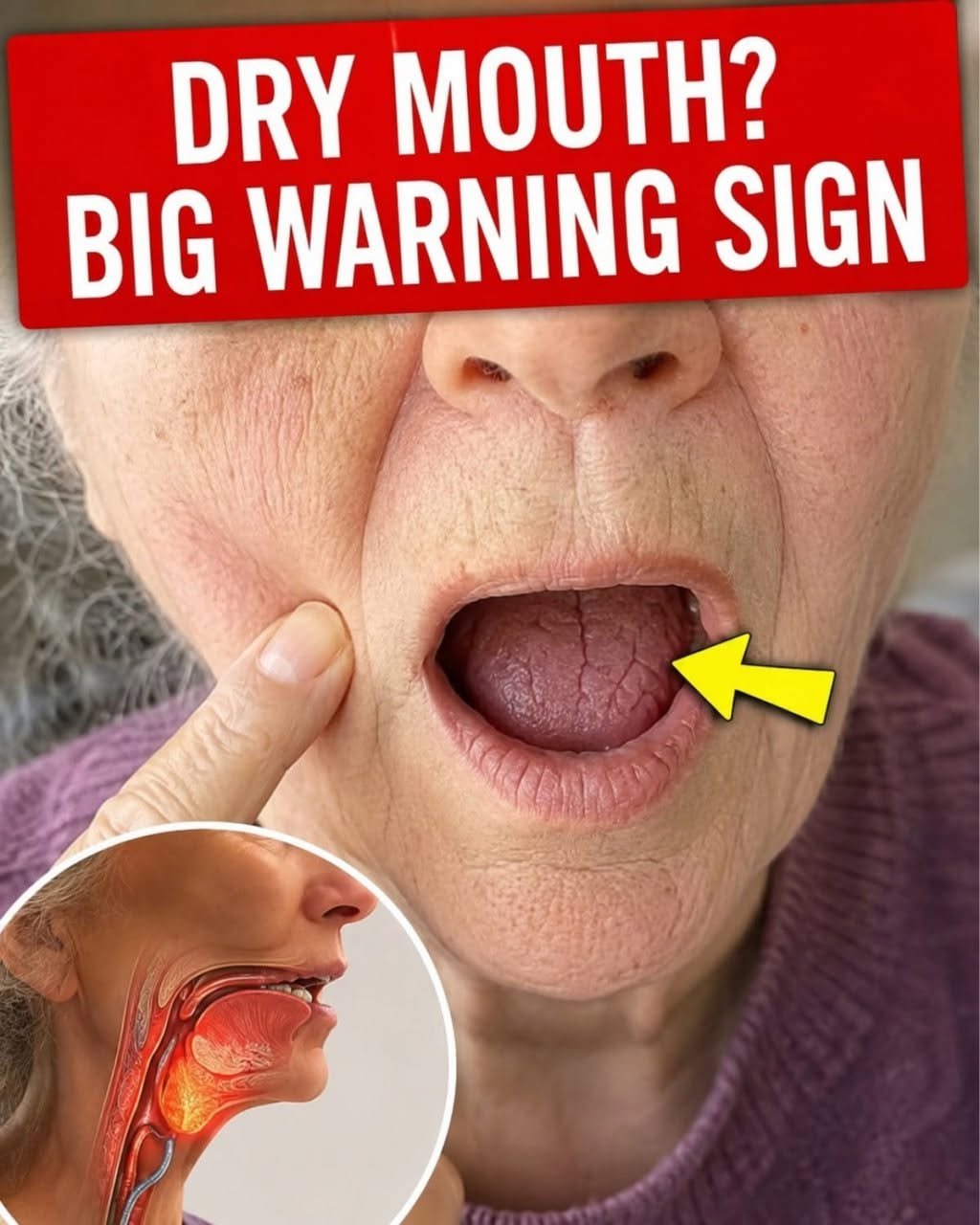
The medical term for dry mouth is xerostomia. It happens when there isn’t enough saliva to keep the mouth comfortably moist. Sometimes the sensation comes from reduced saliva production; other times, your mouth simply feels dry even though the amount of saliva isn’t dramatically reduced.
Saliva does much more than keep your mouth wet. It helps wash away food, lubricate tissues, make swallowing easier, protect teeth, and maintain a healthy environment inside the mouth.
That’s why persistent dry mouth deserves attention.
1. Medications Are One of the Biggest Causes
One of the first things to consider is medication.
Hundreds of medications can contribute to dry mouth, including some used for:
- High blood pressure
- Allergies
- Depression
- Anxiety
- Pain
- Parkinson’s disease
- Bladder problems
- Sleep problems
Some medications reduce saliva production directly, while others can change how the nervous system controls the salivary glands.
If your mouth became noticeably drier after starting a new medication or changing a dose, tell your doctor or pharmacist.
Don’t stop a prescribed medication on your own.
There may be an alternative medication, dose adjustment, or another way to manage the symptom.
2. Dehydration Can Make It Worse
Not drinking enough fluid can leave your mouth feeling dry.
This can happen after heavy sweating, fever, vomiting, diarrhea, or simply forgetting to drink enough during the day.
Older adults may be particularly vulnerable to dehydration because thirst can become less noticeable with age.
But drinking excessive amounts of water isn’t the answer either.
Aim for appropriate hydration unless your healthcare professional has given you fluid restrictions because of a medical condition.
3. Mouth Breathing Can Cause Dryness
You can have normal saliva production and still wake up with a very dry mouth if you’re breathing through your mouth during sleep.
Nasal congestion, allergies, certain anatomical issues, and sleep apnea can contribute to nighttime mouth breathing.
If you wake with an extremely dry mouth and also snore loudly, gasp during sleep, or feel excessively tired during the day, discuss these symptoms with a healthcare professional.
4. Smoking and Tobacco Can Affect Your Mouth
Tobacco use can contribute to oral dryness and irritation.
Smoking also increases the risk of gum disease, tooth loss, oral cancer, and other serious oral-health problems.
If you use tobacco, quitting is one of the most valuable things you can do for your mouth and overall health.
5. Diabetes Can Be Associated With Dry Mouth
Persistent dry mouth can sometimes accompany diabetes.
High blood glucose may contribute to dehydration through increased urination, while diabetes can also be associated with changes in saliva and oral health.
If dry mouth occurs alongside excessive thirst, frequent urination, unexplained weight loss, or unusual fatigue, it would be sensible to discuss blood-glucose testing with a healthcare professional.
Dry mouth by itself does not diagnose diabetes.
6. Certain Medical Treatments Can Reduce Saliva
Radiation therapy involving the head or neck can that your mouth has been unusually dry for weeks, especially if you’re developing cavities, struggling to swallow, experiencing dry eyes, or taking damage salivary glands and cause significant, sometimes long-lasting, dry mouth.
Some cancer treatments and other medical therapies can also affect saliva.
If you’ve undergone such treatment, your healthcare team can recommend specific strategies to protect your teeth and manage oral dryness.
7. Anxiety and Stress Can Temporarily Reduce Saliva
Have you ever noticed that your mouth becomes dry before an important event?
Stress and anxiety can temporarily reduce saliva flow.
Occasional dry mouth during stressful situations isn’t necessarily a medical problem.
But if your mouth remains persistently dry even when you’re relaxed, it’s worth looking for another explanation.
Why Persistent Dry Mouth Matters
Dry mouth isn’t merely uncomfortable.
Saliva protects your teeth and oral tissues.
When saliva production is reduced for a prolonged period, the risk of problems such as:
- Tooth decay
- Gum disease
- Mouth sores
- Difficulty swallowing
- Difficulty speaking
- Oral infections
- Bad breath
can increase.
People with significant dry mouth may also find dry foods difficult to swallow.
Your Teeth May Be the First to Show the Problem
If saliva isn’t adequately protecting your teeth, you may start developing cavities more frequently.
You might also notice increased plaque, gum irritation, or sensitivity.
This is why persistent xerostomia is something to mention to your dentist, not just your primary-care doctor.
Your dentist can look for signs of reduced saliva and help protect your teeth.
What Can You Do at Home?
Several simple measures can make a difference.
Try:
- Sipping water regularly
- Chewing sugar-free gum to stimulate saliva
- Using sugar-free lozenges
- Limiting excessive caffeine and alcohol
- Avoiding tobacco
- Using a humidifier if the air is very dry
- Maintaining excellent oral hygiene
- Brushing with fluoride toothpaste
- Keeping regular dental appointments
Sugar-free gum containing xylitol may be particularly useful for some people because chewing stimulates saliva and xylitol is less likely than sugar to promote tooth decay.
Be Careful With Sugary Drinks
When your mouth is dry, you may instinctively reach for soda, sweet tea, juice, or another sugary beverage.
That can create a problem.
Frequent exposure to sugar can increase the risk of tooth decay, particularly when saliva production is already reduced.
Water is generally a better choice for hydration.
What About Artificial Saliva?
For persistent or significant dry mouth, healthcare professionals may recommend saliva substitutes or specific oral-moisturizing products.
These can provide temporary relief.
However, they don’t necessarily correct the underlying cause.
If your dry mouth is caused by medication, dehydration, an autoimmune condition, diabetes, or another problem, treating or managing that underlying issue may be more important.
When Should You Get Checked?
Make an appointment with a doctor or dentist if your dry mouth:
- Persists for several weeks
- Makes eating or swallowing difficult
- Is causing frequent cavities
- Comes with mouth sores
- Is accompanied by significant thirst or frequent urination
- Began after starting a medication
- Is interfering with sleep
- Is associated with swollen or painful salivary glands
Persistent dryness deserves more attention than an occasional dry mouth after waking.
Could It Be Sjögren’s Disease?
A less common but important cause of severe chronic dryness is Sjögren’s disease, an autoimmune condition that can affect the glands responsible for producing saliva and tears.
People may experience both:
- Persistent dry mouth
- Persistent dry eyes
Other symptoms can occur as well.
Not everyone with dry mouth has Sjögren’s disease, but persistent unexplained dryness—particularly involving both the mouth and eyes—should be discussed with a healthcare professional.
Don’t Assume “I’m Just Getting Older”
This is perhaps the biggest misconception.
Some changes in saliva production can occur with aging, but age itself isn’t a sufficient explanation for persistent severe dry mouth.
In an older adult taking several medications, the medication combination may be much more relevant than age.
That’s why a medication review can be extremely helpful.
Bring a complete list of everything you’re taking—including over-the-counter medicines, supplements, allergy tablets, and nighttime products—to your doctor or pharmacist.
The Bottom Line
Dry mouth isn’t necessarily a sign that your saliva glands have completely “shut down.”
There are many possible explanations, including:
- Medications
- Dehydration
- Mouth breathing
- Tobacco use
- Diabetes
- Certain medical treatments
- Stress and anxiety
- Salivary-gland or autoimmune disorders
Occasional dryness is usually not alarming.
Persistent dry mouth, however, shouldn’t simply be dismissed as aging. It can affect your teeth, gums, swallowing, comfort, and overall oral health—and in some cases, it can be a clue to an underlying medical or medication-related problem.
If you’ve noticed that your mouth has been unusually dry for weeks, especially if you’re developing cavities, struggling to swallow, experiencing dry eyes, or taking several medications, arrange a medical or dental evaluation.
Your mouth may be telling you something—but the right response isn’t panic. It’s finding the cause.