12 Worst Side Effects of Amlodipine You Should NEVER Ignore
Amlodipine is a commonly prescribed medication for high blood pressure and certain types of chest pain. Millions of people take it safely, and most side effects are mild or manageable.
But some symptoms deserve more attention than others.
The important thing is not to panic or stop amlodipine on your own. A side effect can have many possible causes, and suddenly stopping blood-pressure medication without medical advice may create its own risks.
Here are 12 symptoms and reactions you should know about.
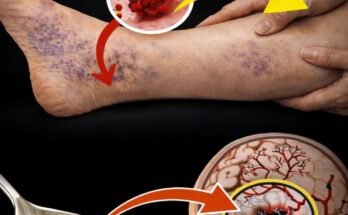
1. Severe or Rapidly Increasing Swelling
Swollen ankles and feet are among the better-known side effects of amlodipine.
Mild ankle swelling can occur because amlodipine changes blood-vessel pressure and allows more fluid to move into surrounding tissues.
But rapidly worsening or severe swelling should be reported to your healthcare professional.
Don’t automatically assume it means kidney failure or heart failure. There are many possible causes, and your doctor can determine what’s happening.
2. Fainting or Severe Dizziness
Amlodipine lowers blood pressure.
If your blood pressure becomes too low, you may feel dizzy, weak, lightheaded, or even faint.
An occasional brief feeling of dizziness may not be dangerous, but actual fainting deserves medical evaluation.
It’s particularly important for older adults because dizziness can lead to falls and serious injuries.
If you repeatedly feel as though you might pass out after taking your medication, contact your doctor rather than simply tolerating it.
3. Severe or New Chest Pain
Amlodipine is sometimes prescribed to help prevent angina, but new, severe, or worsening chest pain should never automatically be blamed on a medication side effect.
Chest pressure, squeezing, pain spreading to the arm or jaw, severe shortness of breath, sweating, or nausea can be signs of a heart emergency.
Seek emergency medical attention if these symptoms occur.
Don’t wait to see whether another dose of medication makes the discomfort disappear.
4. A Fast or Irregular Heartbeat
Some people taking amlodipine notice palpitations or become more aware of their heartbeat.
A brief awareness of your heartbeat isn’t necessarily dangerous.
However, a persistent or markedly irregular heartbeat—especially when accompanied by dizziness, fainting, chest pain, or breathlessness—requires prompt medical assessment.
There can be many causes of palpitations, so don’t assume amlodipine is automatically responsible.
5. Difficulty Breathing
Shortness of breath should never be dismissed simply because you’re taking a blood-pressure medicine.
If you develop sudden or severe difficulty breathing, particularly together with swelling of the face or throat, seek emergency medical attention.
Breathing problems can have many causes, including heart, lung, allergic, and other conditions.
6. Swelling of the Face, Lips, Tongue, or Throat
This is different from ordinary ankle swelling.
Sudden swelling of the lips, tongue, mouth, or throat can indicate a serious allergic reaction.
If it occurs with difficulty breathing, wheezing, trouble swallowing, or a feeling that your throat is closing, treat it as an emergency.
Call your local emergency service immediately.
7. Severe Abdominal Pain
Mild stomach discomfort or nausea can occur with many medications.
But severe or persistent abdominal pain shouldn’t simply be ignored.
Rare serious reactions, including pancreatitis, have been reported with amlodipine.
Severe abdominal pain accompanied by repeated vomiting, fever, fainting, or significant weakness requires prompt medical evaluation.
8. Severe Skin Rash
A mild rash can have many causes.
But a rapidly spreading or severe rash—especially one accompanied by blistering, peeling skin, sores in the mouth, fever, facial swelling, or feeling extremely unwell—needs urgent medical attention.
Rare serious skin reactions have been reported with medications, including amlodipine.
Don’t attempt to treat a severe medication-related rash with home remedies.
9. Unusual or Severe Weakness
Some people report tiredness or weakness while taking amlodipine.
Mild fatigue isn’t necessarily dangerous.
But sudden or severe weakness, especially when accompanied by fainting, confusion, chest symptoms, difficulty speaking, or one-sided weakness, requires urgent evaluation.
Those symptoms could indicate something entirely different from a medication side effect, including a neurological or cardiovascular emergency.
10. Yellowing of the Skin or Eyes
Yellow skin or yellowing of the whites of the eyes is called jaundice.
It’s not a normal symptom to ignore.
Jaundice can indicate problems involving the liver, bile ducts, blood cells, or other conditions. Liver-related adverse reactions to amlodipine are uncommon, but abnormal liver function and hepatitis have been reported.
If you develop unexplained yellowing, particularly with dark urine, pale stools, abdominal pain, or severe fatigue, contact a healthcare professional promptly.
11. New or Significant Muscle Problems
Muscle pain or cramps can occur for many reasons, and they’re not among the most characteristic problems associated with amlodipine.
Nevertheless, if you develop persistent or severe muscle pain, weakness, or other unusual symptoms, tell your healthcare professional.
This is especially important if you’re taking several medications, because another drug could be responsible.
A medication review can often clarify the situation.
12. Severe Allergic Reaction
A serious allergic reaction can include:
- Sudden swelling of the lips, mouth, tongue, or throat
- Difficulty breathing
- Wheezing
- Difficulty swallowing
- Severe dizziness or collapse
- A rapidly developing rash or hives
This is an emergency.
Don’t wait for the symptoms to “settle down.”
Seek emergency medical care immediately.
What Side Effects Are More Common?
It’s easy to become frightened when reading a long list of possible adverse effects.
Remember that serious reactions are uncommon.
More typical side effects of amlodipine include:
- Ankle swelling
- Headache
- Dizziness
- Flushing
- Palpitations
- Tiredness
- Nausea or stomach discomfort
Many people experience none of these, and some improve as the body adjusts to treatment.
Don’t Stop Amlodipine on Your Own
This is one of the most important points.
If you think amlodipine is causing a problem, don’t simply throw away the medication or skip doses without speaking with a healthcare professional.
Your blood pressure may rise again if treatment is interrupted, and if you’re taking amlodipine for angina, stopping treatment can also be problematic.
Instead, tell your doctor or pharmacist exactly what you’re experiencing.
They can determine whether the symptom is likely to be caused by amlodipine, another medication, an underlying condition, or something unrelated.
Keep Track of What Changes
If you recently started amlodipine or your dose was changed, keeping a simple record can be helpful.
Write down:
- When the symptom began
- When you take the medication
- Your blood-pressure readings, if you’re monitoring them
- How severe the symptom is
- Whether it gets better or worse
- Any other medications or supplements you’re taking
This information can make a medication review much more useful.
The Bottom Line
Amlodipine is generally considered a safe and effective medication when prescribed appropriately.
The symptoms that deserve particular attention include:
- Severe or rapidly increasing swelling
- Fainting or severe dizziness
- New or severe chest pain
- Persistent or irregular heartbeat
- Significant difficulty breathing
- Swelling of the face, lips, tongue, or throat
- Severe abdominal pain
- A serious or blistering skin rash
- Sudden or severe weakness
- Yellowing of the skin or eyes
- Significant unexplained muscle symptoms
- Signs of a severe allergic reaction
The key isn’t to fear every possible side effect. It’s to recognize unusual or potentially dangerous changes and know when to seek help.
If you experience severe chest pain, major breathing difficulty, fainting, sudden neurological symptoms, or swelling of the mouth or throat, seek emergency medical care.
For less urgent but persistent symptoms, contact your doctor or pharmacist for advice.
Never change a prescribed blood-pressure medication based solely on something you read online. The safest approach is to identify the problem and make medication decisions with a healthcare professional.