These Visible Signs May Be Hiding Liver Disease: 10 Changes You Shouldn’t Ignore
Your liver performs hundreds of important jobs every day. It helps process nutrients, produces substances involved in blood clotting, stores energy, and helps remove waste products from the body.
The problem is that liver disease can develop quietly. Some people have significant liver damage before they notice obvious symptoms.
That’s why certain visible changes—especially when they’re new or occurring together—deserve attention.
A single symptom doesn’t automatically mean you have liver disease. Many of these signs can have completely different causes. But if you notice persistent or unexplained changes, it’s worth discussing them with a healthcare professional.
1. Yellowing of the Eyes or Skin
One of the most recognizable signs of a liver or bile-flow problem is jaundice.
The whites of the eyes or the skin may develop a yellowish color because bilirubin, a yellow pigment normally processed by the liver, accumulates in the bloodstream.
Jaundice can have many causes, including liver disease, problems with bile ducts, certain blood disorders, and other conditions.
If you suddenly develop yellow eyes or skin, don’t simply wait for it to disappear. Medical evaluation is appropriate.
2. Swelling in the Abdomen
A noticeably swollen or enlarged abdomen can sometimes occur when advanced liver disease causes fluid to accumulate inside the abdominal cavity. This condition is called ascites.
The abdomen may gradually become larger, and clothing that normally fits may feel unusually tight.
However, abdominal enlargement has many possible causes, including weight gain, digestive problems, and other medical conditions.
Persistent or rapidly increasing abdominal swelling should be evaluated rather than automatically attributed to the liver.
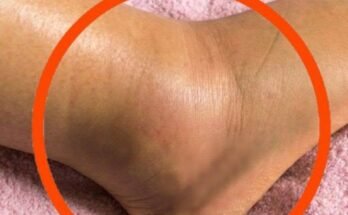
3. Swollen Legs or Ankles
Fluid accumulation can also cause swelling in the lower legs and ankles.
Liver disease is only one possible cause. Heart, kidney, vein, medication, and other problems can also produce leg swelling.
That’s why the pattern matters.
If swelling is persistent, severe, occurs on both sides, or appears alongside abdominal swelling or other symptoms, speak with a healthcare professional.
4. Easy Bruising
Do you seem to develop bruises from very minor bumps that previously wouldn’t have left a mark?
Easy bruising can have many explanations, including medications, nutritional problems, aging skin, platelet disorders, and liver disease.
The liver produces many proteins involved in blood clotting. Advanced liver disease can interfere with this process.
Unexplained or increasingly frequent bruising deserves medical attention, particularly if you also experience unusual bleeding.
5. Small Spider-Like Blood Vessels
Some people with chronic liver disease develop small, spider-like blood vessels called spider angiomas or spider nevi.
They often appear on the upper body, particularly the chest, neck, face, or arms.
They can also occur in healthy people, however, so seeing one doesn’t mean your liver is failing.
A sudden increase in these lesions, especially when accompanied by other symptoms, is worth mentioning to your doctor.
6. Red Palms
Another possible physical finding associated with chronic liver disease is palmar erythema, in which portions of the palms become unusually red.
Again, this isn’t specific to liver disease.
Hormonal changes, pregnancy, certain medications, and other conditions can also cause redness of the palms.
Think of it as a clue rather than a diagnosis.
7. Dark Urine
Urine that becomes noticeably darker than usual can sometimes occur when bilirubin levels rise.
However, dark urine is also commonly caused by dehydration, certain foods, supplements, and medications.
If your urine remains unusually dark despite adequate hydration—or if dark urine occurs together with yellow eyes, pale stools, abdominal pain, or other symptoms—seek medical advice.
8. Pale or Clay-Colored Stools
Healthy bile contributes to the normal brown color of stool.
When bile isn’t reaching the intestine properly, stools can become unusually pale, gray, or clay-colored.
This can occur with problems involving the liver, gallbladder, or bile ducts.
One unusually light bowel movement isn’t necessarily alarming, but persistent pale stools should be discussed with a healthcare professional.
9. Severe Itching Without an Obvious Rash
Persistent itching can sometimes be associated with liver or bile-flow disorders.
The itching may occur without a visible skin rash and can be particularly troublesome at night.
But itching has an enormous number of possible causes, including dry skin, allergies, medications, kidney disease, thyroid disorders, and dermatological conditions.
If unexplained itching continues, don’t assume it’s automatically a liver problem. Get the underlying cause evaluated.
10. Changes in the Nails, Hair, or General Appearance
Advanced illness can affect your overall appearance.
Some people with significant liver disease may develop changes such as brittle nails, changes in the shape or color of the nails, muscle wasting, or a generally unwell appearance.
These changes are not specific enough to diagnose liver disease by looking at them alone.
But if several unexplained changes occur together—particularly with jaundice, swelling, bruising, or fatigue—they deserve medical attention.
The Signs You May Not See
One of the biggest problems with liver disease is that you may not see anything at all in the early stages.
Conditions such as fatty liver disease can exist for years with few or no obvious symptoms.
That means waiting for your skin or eyes to change isn’t a good way to monitor liver health.
Your risk factors matter too.
These can include:
- Excess body weight
- Type 2 diabetes
- High cholesterol or triglycerides
- Heavy alcohol consumption
- Certain medications
- Viral hepatitis
- A family history of liver disease
- Certain metabolic blood, black or tarry stools, severe confusion, fainting, rapidly worsening abdominal swelling, or significant yellowing accompanied by feeling seriously conditions
If you’re at increased risk, your healthcare professional may recommend blood tests or imaging even when you feel perfectly well.
When You Should Seek Urgent Help
Some symptoms require prompt medical attention.
Seek urgent medical care if you develop severe abdominal pain, vomiting blood, black or tarry stools, severe confusion, fainting, rapidly worsening abdominal swelling, or significant yellowing accompanied by feeling seriously unwell.
Confusion or extreme sleepiness in someone with known severe liver disease can be particularly important because advanced liver dysfunction can affect brain function.
Don’t Try to “Detox” Your Liver
When people become concerned about liver health, they sometimes turn to detox drinks, herbal cleanses, or extreme diets.
Your liver already has sophisticated systems for processing substances in your body.
There is no special juice or homemade cleanse that can “flush out” a damaged liver.
Some herbal and dietary supplements can actually injure the liver.
If you’re concerned about liver health, the safer approach is to identify the cause, address risk factors, and follow evidence-based medical advice.
How to Support Your Liver
You don’t need a complicated detox program.
Healthy habits can make a meaningful difference:
- Maintain a healthy weight if possible.
- Be physically active.
- Limit or avoid excessive alcohol.
- Eat a balanced diet rich in vegetables, fruits, whole grains, and appropriate protein sources.
- Manage diabetes, blood pressure, and cholesterol.
- Avoid unnecessary supplements and medications.
- Ask a healthcare professional about hepatitis vaccination and testing when appropriate.
If you take regular medications, don’t stop them simply because you’ve read that a particular drug can affect the liver. Discuss concerns with your doctor or pharmacist first.
The Bottom Line
Visible changes such as yellow eyes, abdominal swelling, swollen ankles, easy bruising, spider-like blood vessels, red palms, dark urine, pale stools, or unexplained itching can sometimes occur with liver or bile-duct problems.
But none of these signs proves that you have liver disease.
The most important message is that liver disease can be silent, so people at higher risk shouldn’t wait for visible symptoms before getting appropriate medical care.
If you’ve noticed a persistent or unexplained change in your body—especially several of these signs occurring together—don’t try to diagnose yourself from appearance alone.
A healthcare professional can use your history, physical examination, blood tests, and sometimes imaging to determine what’s actually happening.
Your body can provide clues, but the right test—not a mirror—is what tells you whether your liver is truly in trouble.