The 5 Drinks That MayYour bones may feel solid and permanent, but they are living tissue that constantly changes. Throughout life, your body breaks down old bone and builds new bone. Nutrition Be Harmful to Your Bones, According to Health Experts
Your bones may feel solid and permanent, but they are living tissue that constantly changes. Throughout life, your body breaks down old bone and builds new bone. Nutrition, physical activity, hormones, age, medications, and overall health can all influence this process.
That is why what you regularly drink can matter too.
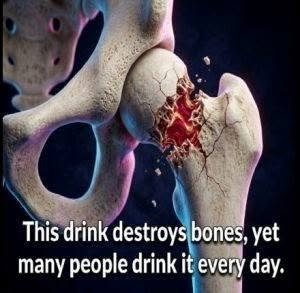
However, it’s important to avoid exaggerated claims. There is no universally agreed list of five drinks that “destroy” your bones. Some beverages are associated with factors that may negatively affect bone health when consumed excessively or when they replace nutritious foods and drinks.
Here are five categories worth paying attention to.
1. Excessive Alcohol
Alcohol is one of the clearest beverages to be cautious about when it comes to bone health.
Heavy alcohol consumption has been associated with poorer bone health and a greater risk of falls and fractures. Excessive drinking can also interfere with nutrition and the body’s normal processes involved in maintaining bone tissue.
The issue is especially important as people get older because both bone strength and balance can decline with age.
Having an occasional alcoholic drink isn’t the same as heavy drinking. The concern is regular excessive consumption.
If you drink alcohol, moderation is important—and people who don’t drink don’t need to start for potential health benefits.
2. Large Amounts of Sugary Soft Drinks
Cola and other sugar-sweetened soft drinks are often blamed for weak bones.
The reality is more nuanced.
The problem may be less about one ingredient “dissolving your bones” and more about what happens when someone regularly consumes large amounts of soft drinks instead of nutritious beverages such as milk or fortified alternatives.
Some studies have found associations between high soft-drink consumption and lower bone density or fracture risk, particularly in certain populations. But observational research cannot prove that the beverage itself directly caused the bone loss.
There’s also a practical issue: drinking several sugary beverages every day adds substantial amounts of sugar and calories to the diet.
Water, milk, or calcium- and vitamin-D-fortified alternatives can often be better everyday choices.
3. Excessive Energy Drinks
Energy drinks deserve attention for a different reason.
Many contain substantial amounts of caffeine and added sugar.
Caffeine itself isn’t automatically harmful to bones. In moderate amounts, it can generally fit into a healthy diet. The bigger concern is very high caffeine intake, particularly if overall calcium intake is inadequate.
Energy drinks can also displace healthier beverages and may contribute to poor sleep or other health problems when consumed excessively.
Children and adolescents should be particularly cautious with highly caffeinated energy drinks.
4. Very High-Caffeine Drinks
Coffee and tea aren’t enemies of your skeleton.
In fact, moderate coffee and tea consumption can fit into a healthy diet.
The concern arises with very high caffeine consumption, especially when it occurs alongside inadequate calcium and vitamin D intake.
Caffeine can modestly increase calcium loss through urine, but this doesn’t mean you have to give up coffee to protect your bones.
A practical approach is to keep caffeine intake reasonable and make sure your diet provides sufficient calcium and vitamin D.
If you enjoy coffee, consider having it alongside a nutritious meal rather than using it as a substitute for breakfast.
5. Sugary Fruit Drinks and Sweetened Beverages
Fruit-flavored drinks, sweetened iced teas, sweetened juices, and similar beverages can contain considerable amounts of added sugar without providing much nutritional value.
Even drinks that sound healthy aren’t necessarily equivalent to eating whole fruit.
A diet dominated by sugary beverages may leave less room for foods supplying calcium, protein, magnesium, vitamin K, and other nutrients involved in maintaining healthy bones.
Whole fruits are generally a better choice because they provide fiber and other nutrients.
Water and unsweetened beverages are also excellent everyday options.
But What Actually Keeps Your Bones Strong?
Focusing only on what not to drink misses the bigger picture.
Your bones need adequate nutrition and regular physical activity throughout life.
Get Enough Calcium
Calcium is a major component of bone.
Good sources include:
- Milk and yogurt
- Cheese
- Calcium-fortified plant beverages
- Calcium-set tofu
- Some leafy green vegetables
- Canned fish with edible bones
- Other calcium-rich foods
The amount you need depends on your age and circumstances.
Don’t Forget Vitamin D
Vitamin D helps your body absorb calcium.
Sources include sunlight exposure, certain foods, and supplements when medically appropriate.
People who are deficient may need supplementation, but high-dose vitamin D shouldn’t be taken routinely without appropriate medical guidance.
Exercise Your Bones
Bones respond to physical stress.
Weight-bearing activities such as walking, climbing stairs, dancing, and resistance training can help support bone strength.
Strength and balance exercises are particularly valuable as you age because preventing falls is an important part of preventing fractures.
What About Milk?
Milk isn’t a magical bone-strengthening drink, but it can be an excellent source of calcium and, depending on the product, vitamin D and protein.
If you don’t consume dairy, that’s perfectly manageable. Calcium-fortified plant beverages can provide similar nutrients when appropriately fortified.
The important thing is meeting your nutritional needs, not following one particular beverage trend.
What About Sparkling Water?
Plain sparkling water is generally not something you need to fear for your bones.
A common internet claim says carbonation “pulls calcium out of your bones.”
Ordinary carbonated water doesn’t appear to have the same bone-health concern often attributed to sugary cola beverages.
If you enjoy plain sparkling water, there’s generally no reason to abandon it simply because you’re worried about carbonation.
The Bottom Line
You don’t have to completely eliminate every drink on this list to protect your bones.
The bigger issue is excessive and habitual consumption, particularly when less nutritious beverages replace calcium- and nutrient-rich foods and drinks.
The beverages worth limiting most are:
- Excessive alcohol
- Large amounts of sugary soft drinks
- Highly caffeinated energy drinks
- Very high caffeine intake
- Sugary fruit drinks and other sweetened beverages
And remember: bone health isn’t determined by one drink.
Adequate calcium and vitamin D, sufficient protein, regular weight-bearing and resistance exercise, avoiding tobacco, moderating alcohol, maintaining a healthy body weight, and preventing falls all matter.
Your bones don’t need a perfect diet—they need consistent support over many years.