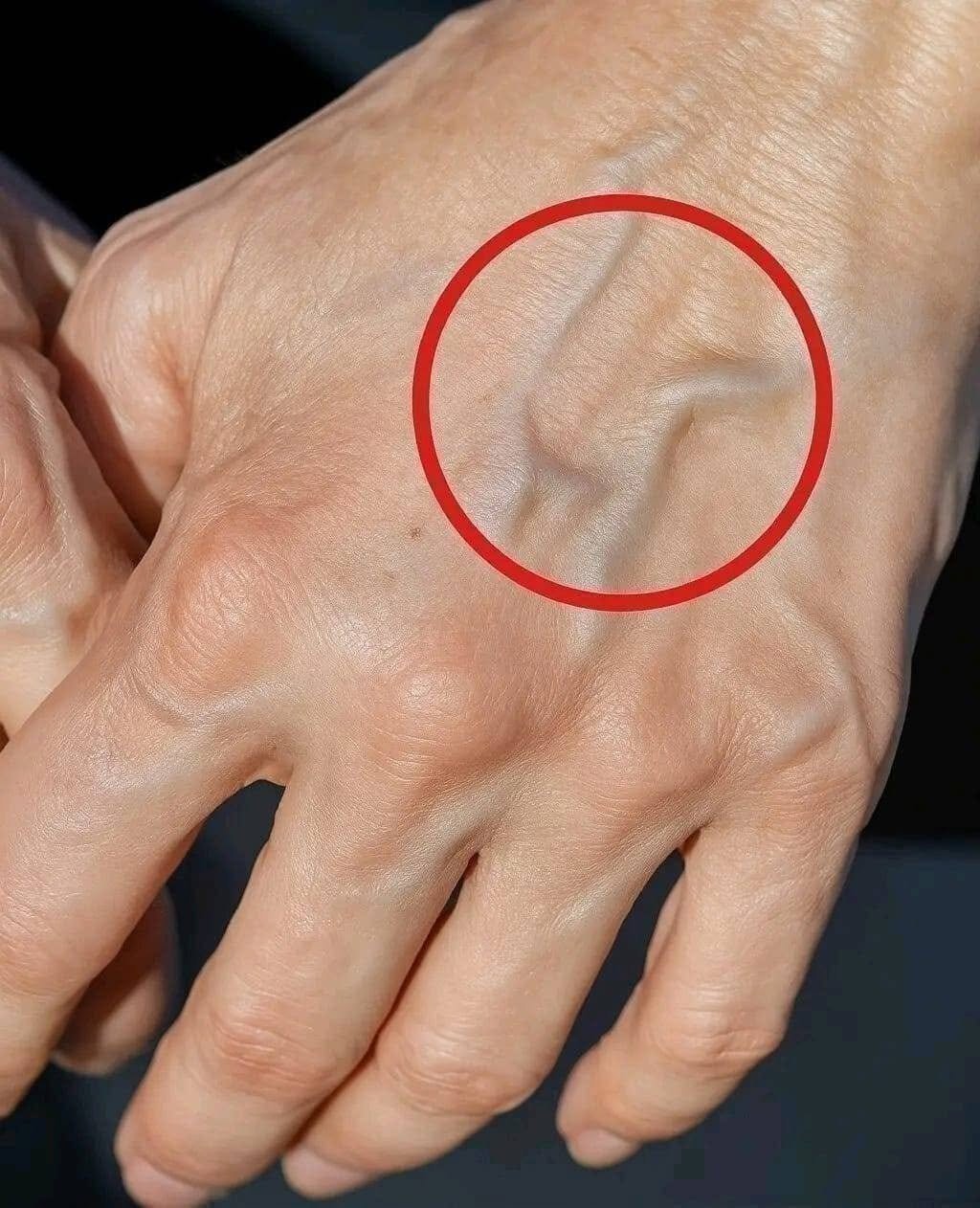
If You Have Visible Veins, It Means You Are… veins on your hands, arms, legs, or even feet can be surprising. Some people immediately assume that visible veins mean they are extremely fit, dehydrated, aging Here’s What Your Body May Really Be Telling You
Seeing prominent veins on your hands, arms, legs, or even feet can be surprising. Some people immediately assume that visible veins mean they are extremely fit, dehydrated, aging, or suffering from poor circulation.
But visible veins do not have one single meaning.
In many cases, they’re simply a normal feature of your anatomy. The visibility of veins depends on factors such as skin thickness, body-fat levels, genetics, temperature, physical activity, age, and where the veins are located.
However, a new or unusual change in the appearance of your veins can sometimes deserve medical attention.
1. You May Simply Have Naturally Prominent Veins
Some people naturally have veins that sit closer to the surface of the skin.
Genetics play a major role.
If your parents have prominent veins in their hands or arms, you may have them too. People with lighter or thinner skin may also notice veins more easily.
This is not necessarily a sign of good or bad health.
If you’ve had visible veins for years and they haven’t changed significantly, they’re often simply part of your normal anatomy.
2. Low Body Fat Can Make Veins More Noticeable
When there is less fat beneath the skin, superficial veins can become easier to see.
This is one reason athletes and people with very low body-fat levels may have highly visible veins in their arms, shoulders, hands, or legs.
But visible veins don’t automatically mean that someone is exceptionally fit.
A person can have prominent veins without exercising regularly, simply because of genetics, skin thickness, or body composition.
3. Exercise Can Make Veins Temporarily Pop Out
Have you ever noticed your veins becoming much more visible during or immediately after exercise?
That’s often normal.
During physical activity, blood flow to working muscles increases. Blood vessels can become more prominent, and temporary changes in blood volume and pressure can make superficial veins stand out.
This is particularly noticeable during strength training.
As your body cools down and circulation returns toward its resting state, the veins may become less prominent again.
4. Heat Can Make Veins More Visible
Hot weather can also make superficial veins appear more prominent.
When your body gets hot, blood vessels near the skin can widen to help release heat.
As a result, veins may look larger or more noticeable.
You might see this after a hot shower, spending time outdoors on a hot day, or exercising in a warm environment.
This is usually temporary.
5. Aging Can Make Veins Stand Out More
As people get older, the skin gradually becomes thinner and loses some of its elasticity.
The layer of fat beneath the skin can also change.
Together, these changes can make veins on the hands, forearms, and other areas more visible than they were when you were younger.
So if you notice more prominent veins as you age but there is no pain, swelling, or sudden change, it may simply reflect normal changes in the skin and tissues.
6. Visible Veins Don’t Automatically Mean You’re Dehydrated
This is a common misconception.
Dehydration can cause various changes in the body, but you cannot reliably diagnose dehydration simply by looking at how prominent someone’s veins are.
If you’re dehydrated, you may experience symptoms such as thirst, dry mouth, dizziness, weakness, or unusually dark urine.
Those symptoms provide much more useful information than the appearance of a vein alone.
7. Varicose Veins Are Different
There’s an important difference between ordinary visible veins and varicose veins.
Varicose veins are enlarged, twisted veins, most commonly appearing in the legs.
They may look blue or purple and can bulge beneath the skin.
Some people experience:
- Aching or heaviness in the legs
- Swelling
- Itching
- Burning
- Skin changes around the affected veins
- Symptoms that become worse after prolonged standing
Varicose veins are common, but persistent symptoms should be discussed with a healthcare professional.
8. Spider Veins Are Another Type of Visible Vein
Spider veins are small red, blue, or purple networks that appear close to the skin’s surface.
They are often harmless and are particularly common on the legs and face.
Although they can be a cosmetic concern, their presence doesn’t necessarily indicate a dangerous circulation problem.
A medical professional can distinguish ordinary spider veins from other vascular conditions if you’re concerned.
9. One Suddenly Prominent Vein Is Worth Watching
A vein that suddenly becomes much more noticeable—particularly on one arm or leg—deserves more attention than veins that have always been visible.
Pay attention if the change is accompanied by:
- Swelling
- Pain
- Redness
- Warmth
- Tenderness
- Skin discoloration
A sudden painful or swollen limb can have several causes, including problems involving the veins.
Don’t try to diagnose such a change based on appearance alone.
10. When Visible Veins Could Be a Warning Sign
Most visible veins are harmless.
But seek prompt medical attention if a vein becomes suddenly prominent and you also develop significant swelling, pain, warmth, or redness in one limb.
And if you develop sudden chest pain, difficulty breathing, coughing up blood, or unexplained severe shortness of breath, seek emergency medical care. Those symptoms can occur with a serious blood-clot complication.
The important point is that the emergency warning signs are the combination of symptoms, not simply having visible veins.
11. Don’t Try to “Hide” Healthy Veins
If your veins are naturally visible and aren’t causing symptoms, there’s generally no medical reason to make them disappear.
Healthy veins are supposed to carry blood back toward the heart.
Trying to compress or manipulate them unnecessarily can create problems.
If you’re concerned about the appearance of prominent veins, particularly varicose veins, a healthcare professional can explain appropriate treatment options.
The Bottom Line
So, if you have visible veins, it doesn’t necessarily mean that you’re dehydrated, unhealthy, or unusually fit.
You may simply have:
- Naturally prominent veins
- Less tissue covering the veins
- Lower body fat
- Thin or aging skin
- Temporary changes from exercise
- Temporary changes caused by heat
What matters most is whether the veins are new, changing, painful, swollen, or accompanied by other symptoms.
A vein you’ve had for years and a suddenly painful, swollen vein are two very different situations.
So don’t panic when you notice the veins on your hands or arms becoming more visible. In many cases, you’re simply seeing normal blood vessels that have become easier to see.
But if a vein changes suddenly or is accompanied by swelling, warmth, redness, or significant pain, don’t ignore it.
Your veins can tell you something about your body—but their visibility alone isn’t a diagnosis.