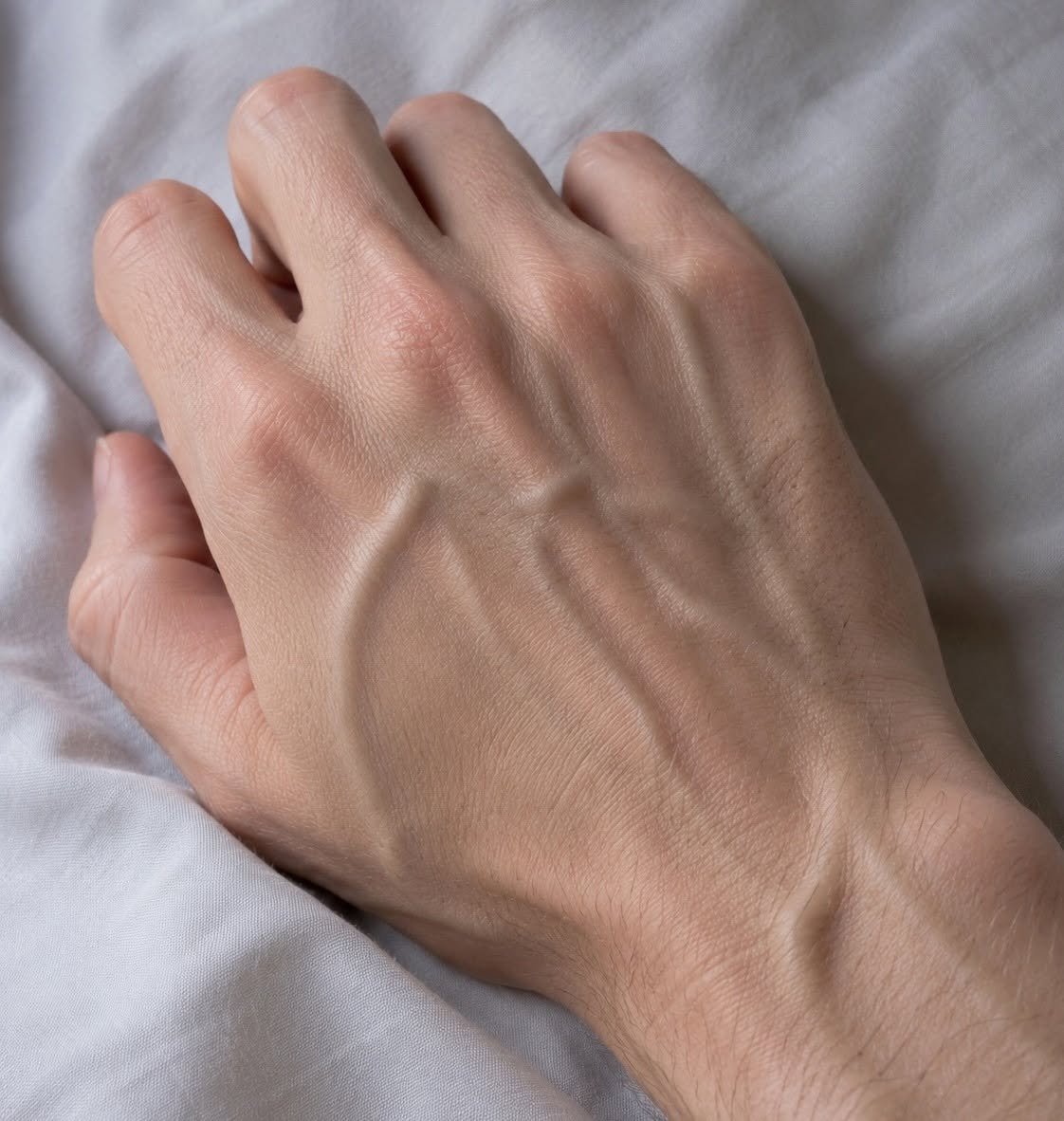
Visible Veins Explained: Normal Causes, Health Risks, and When to Worry
Have you noticed that the veins on your hands, arms, legs, or feet seem more visible than they used to be?
Visible veins are often completely normal.
They can become easier to see because of age, genetics, exercise, lower body fat, heat, or simply having thinner skin.
But sometimes prominent veins can signal an underlying problem—especially when they appear suddenly or are accompanied by pain, swelling, redness, or skin changes.
Here’s how to tell the difference.
1. Aging Can Make Veins More Visible
As we get older, skin gradually becomes thinner and loses some of its elasticity.
The layer of fat beneath the skin can also decrease.
As a result, veins that were always there may become much easier to see.
This is particularly common on the:
- Hands
- Forearms
- Feet
- Lower legs
Visible veins alone don’t necessarily mean something is wrong.
2. Genetics Play a Major Role
Some people naturally have more prominent veins.
If your parents or other family members have visible veins, you may be more likely to have them too.
Skin tone, skin thickness, body composition, and the position of veins beneath the skin all influence how noticeable they are.
3. Exercise Can Make Veins Pop
Have you ever noticed your veins becoming more prominent after exercise?
That’s usually not surprising.
During physical activity, blood flow to working muscles increases, and veins near the skin can become more noticeable.
People who strength-train regularly may also have more visible veins because of increased muscle size and relatively low body fat.
They often become less prominent again after you cool down and recover.
4. Heat Can Make Veins More Noticeable
When you’re hot, blood vessels near the skin can widen to help your body release heat.
This can temporarily make superficial veins appear larger.
You may notice this after:
- A hot shower
- Exercise
- Spending time outdoors in hot weather
- Sitting in a warm environment
This temporary change is generally not concerning by itself.
5. Weight Loss Can Reveal Veins
If you’ve recently lost a significant amount of body fat, veins may become more visible because there’s less tissue covering them.
That doesn’t necessarily mean the veins themselves have become abnormal.
However, unintentional weight loss should be discussed with a healthcare professional, particularly if it’s substantial or accompanied by other symptoms.
6. Varicose Veins Are Different
Veins in the legs can become enlarged, twisted, or rope-like.
These are commonly called varicose veins.
They may cause:
- Aching
- Heaviness
- Throbbing
- Itching
- Swelling
- Leg fatigue
Symptoms can become worse after prolonged standing.
Varicose veins are often related to problems with the valves inside the veins that help keep blood moving toward the heart.
7. Spider Veins Are Usually Smaller
Spider veins are small red, blue, or purple blood vessels that appear close to the surface of the skin.
They often look like branches or webs.
They’re generally harmless, although some people choose to have them treated for cosmetic reasons.
If a new vascular-looking mark concerns you, a healthcare professional can determine what it is.
When Should Visible Veins Worry You?
The appearance of veins is more concerning when there’s a sudden change or other symptoms.
Pay attention to:
Sudden swelling in one leg
Especially if the swelling is accompanied by pain, warmth, tenderness, or redness.
These can be symptoms of a deep vein thrombosis (DVT) and require prompt medical evaluation.
Sudden chest pain or shortness of breath
If leg symptoms occur together with sudden chest pain, difficulty breathing, coughing up blood, fainting, or severe unexplained symptoms, seek emergency medical care.
A blood clot can sometimes travel to the lungs and cause a pulmonary embolism.
A painful, hard, red vein
A vein that becomes suddenly tender, firm, red, or inflamed may require medical assessment.
Skin changes around varicose veins
Persistent swelling, skin discoloration, sores, or changes in the skin around enlarged leg veins can indicate more significant venous disease.
Don’t ignore a wound near a varicose vein that isn’t healing normally.
What About Bulging Veins in the Hands?
Prominent hand veins are extremely common.
They can become more visible with:
- Aging
- Exercise
- Heat
- Dehydration
- Low body fat
- Genetics
If the veins are symmetrical and you’ve had them for a long time without pain or swelling, they’re usually not a reason for alarm.
A sudden change affecting one hand or arm, particularly with swelling or pain, is different and deserves evaluation.
Can Dehydration Cause Visible Veins?
Dehydration can sometimes make veins appear more prominent because changes in fluid balance and reduced tissue fullness can affect how superficial structures look.
But visible veins aren’t a reliable way to diagnose dehydration.
Instead, pay attention to symptoms such as excessive thirst, dark urine, reduced urination, dizziness, weakness, or confusion.
Severe dehydration requires medical attention.
Should You Try to Make Visible Veins Disappear?
Usually, there’s no medical reason to hide normal visible veins.
If you’re concerned about varicose or spider veins, don’t rely on internet remedies that promise to “dissolve” or “clean” your veins.
Depending on the problem, medical treatment may include compression therapy, lifestyle measures, or procedures designed specifically for abnormal veins.
A healthcare professional can determine whether treatment is necessary.
A Simple Rule to Remember
Visible veins that develop gradually and cause no other symptoms are often normal.
Visible veins that appear suddenly or are accompanied by swelling, pain, redness, warmth, skin changes, or breathing problems deserve attention.
The location matters too. A prominent vein on the hand after exercise is very different from a suddenly swollen, painful leg.
The Bottom Line
Seeing your veins more clearly doesn’t automatically mean you’re unhealthy.
Age, genetics, exercise, heat, weight loss, and naturally thin skin can all make veins more noticeable.
But don’t ignore a sudden change—particularly one-sided swelling, pain, warmth, redness, a hard tender vein, or sudden breathing difficulties.
When in doubt, it’s better to have an unusual change assessed than to assume it’s simply a cosmetic issue.
Your veins are part of your normal anatomy. The key is recognizing when their appearance has changed in a way that matters.
