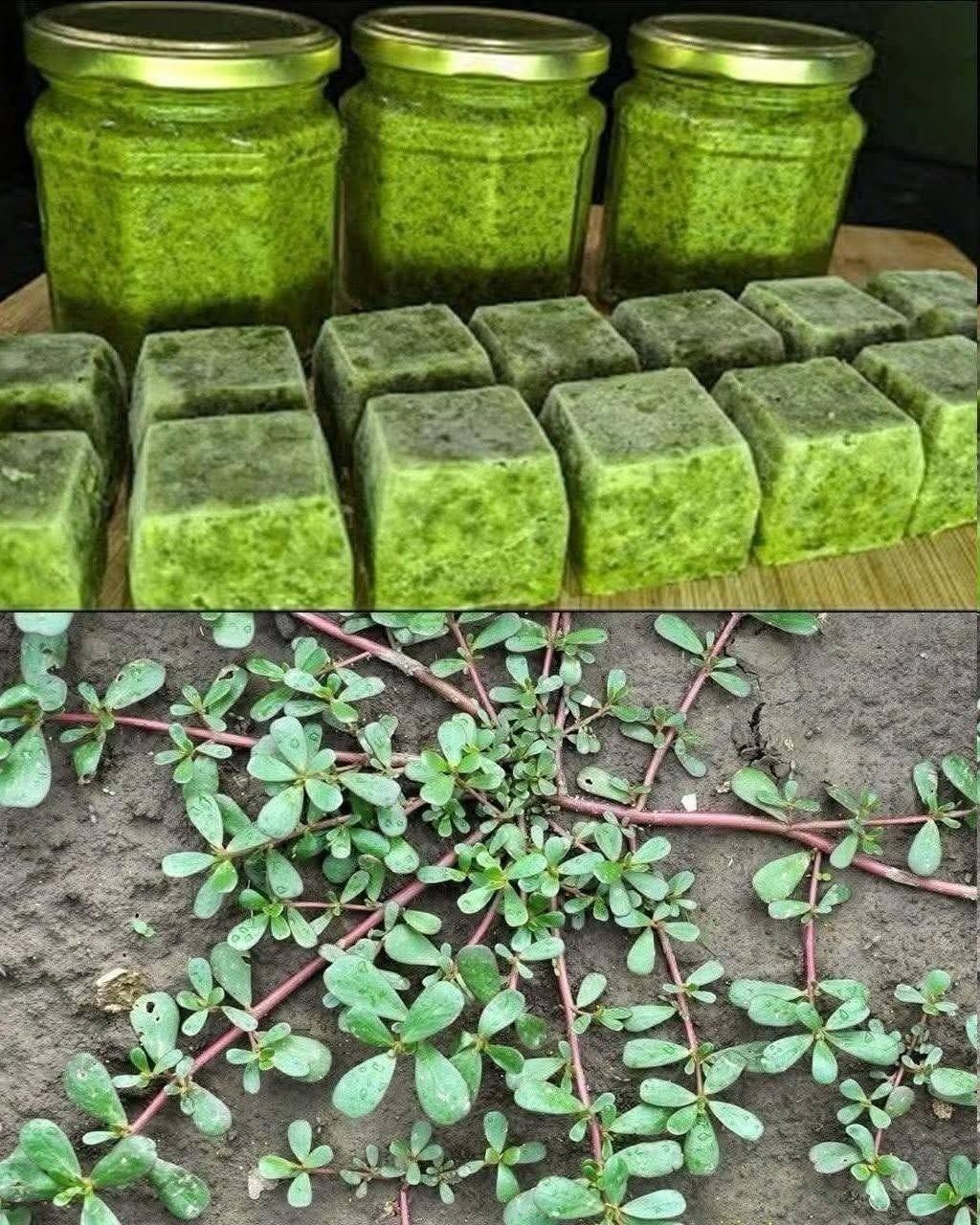
Never Step on This “Weed” — It Could Be a Gold Mine in Your Garden
Not every plant that appears where you didn’t intentionally plant it is a useless weed. Some so-called weeds are actually valuable garden plants that can improve soil, support pollinators, provide habitat, or even be edible.
One important example is white clover (Trifolium repens). It is often treated as a lawn weed, but gardeners have deliberately used clover as a living ground cover because it can help support soil health and pollinating insects.
1. White Clover Can Fix Nitrogen
White clover belongs to the legume family, a group of plants capable of forming relationships with specialized bacteria in their root nodules.
These bacteria can convert atmospheric nitrogen into forms that the plant can use. This process is called biological nitrogen fixation.
That’s one reason clover can be valuable in lawns, gardens, and cover-crop systems.
It doesn’t mean clover simply “fertilizes everything around it instantly,” but it can contribute nitrogen to a garden ecosystem, particularly when plant material eventually decomposes.
2. Bees Love Its Flowers
Those little white clover flowers can be an important food source for bees and other pollinating insects.
Allowing some clover to flower can therefore provide nectar and pollen in areas where a perfectly uniform grass lawn would offer much less floral food.
If your garden is intended to support pollinators, a patch of flowering clover can be an asset rather than something that needs to be eliminated.
3. It Can Protect Bare Soil
Bare soil is vulnerable to erosion, drying, and temperature fluctuations.
A low-growing plant such as clover can form a living ground cover, helping protect the soil surface and reducing the amount of exposed ground.
Ground cover can also compete with some unwanted plants by occupying space and using available resources.
4. Clover Can Reduce the Need for a Perfect Lawn
A mixed lawn containing grass and clover can remain relatively green under conditions where grass alone may struggle.
Clover is generally low-growing and can tolerate regular mowing, which is one reason it has historically been included in some lawn mixtures.
Instead of trying to create a completely weed-free lawn, some gardeners choose a more diverse lawn containing several plant species.
5. It Can Help Support Soil Life
Healthy soil isn’t just dirt—it’s an ecosystem containing fungi, bacteria, insects, worms, and other organisms.
Living plants continuously interact with this underground community through their roots.
Clover contributes organic matter and root activity to the soil, and when plant material eventually breaks down, nutrients and carbon are returned to the soil system.
6. Don’t Assume Every “Weed” Is Clover
This is extremely important.
There are many different plants commonly called weeds, and their usefulness varies dramatically.
Some are edible or beneficial to wildlife, while others can be poisonous, invasive, irritating to the skin, or difficult to control.
Never eat an unidentified plant simply because someone online calls it a “garden superfood.”
7. Learn to Identify It Before Touching or Eating It
White clover generally has three rounded leaflets, often with a characteristic pale or whitish crescent marking on the leaves. Its small white flower heads are another useful identification feature.
But appearance can vary, and other plants can look superficially similar.
If you’re unsure what is growing in your garden, use a reliable plant-identification resource or consult a local horticultural expert before consuming it.
8. “Never Step on It” Is an Exaggeration
You don’t need to treat every clover plant like a fragile treasure.
White clover is a low-growing, relatively resilient plant, and ordinary foot traffic isn’t automatically going to destroy it.
The bigger gardening lesson is that repeatedly mowing, spraying, or pulling every volunteer plant may remove useful biodiversity without providing a significant benefit.
9. It Can Be Useful as a Cover Crop
Clover species are commonly used in agricultural and gardening systems as cover crops.
Depending on the species and management system, clovers can contribute nitrogen, protect soil, suppress some weeds, and provide habitat for beneficial organisms.
Different clover species have different growth habits, so the right choice depends on your climate, soil, and gardening goals.
10. It Can Still Become a Problem in Some Gardens
“Beneficial” doesn’t mean “always desirable.”
Clover can spread into areas where you don’t want it, compete with other plants, and become difficult to remove if allowed to establish extensively.
Gardeners should therefore decide whether a plant fits their particular garden rather than assuming every so-called weed should be preserved.
What About Dandelions?
Dandelions are another plant frequently described as a useless weed even though they provide ecological benefits.
Their flowers can provide food for insects, and their deep roots can interact with soil in ways that differ from shallow-rooted lawn grasses.
However, whether you want dandelions in your lawn is ultimately a gardening preference.
A diverse yard can provide more ecological value than a chemically maintained monoculture, but a carefully managed ornamental garden may have different priorities.
Why Garden “Weeds” Can Be Valuable
The broader lesson is more important than any single plant.
A plant doesn’t become worthless simply because it appeared without being planted intentionally.
Some volunteer plants:
- Provide nectar or pollen
- Protect exposed soil
- Add organic matter
- Support insects and other wildlife
- Contribute to nutrient cycling
- Provide ground cover
- Can be useful in composting or traditional gardening systems
But usefulness depends heavily on correct identification and context.
Before You Pull It Out
The next time an unfamiliar plant appears in your garden, consider taking a moment to identify it before reaching for weed killer.
Ask:
What plant is this? Is it invasive? Does it benefit pollinators? Is it competing with something I intentionally planted? Could it be toxic? And do I actually need to remove it?
That simple pause can turn “weed removal” into smarter garden management.
Final Takeaway
If the plant you’re referring to is white clover, calling it a “gold mine” is a fun way to describe its potential value—but it shouldn’t be taken literally.
White clover can support pollinators, contribute to nitrogen cycling, protect soil, and function as useful ground cover. It doesn’t need to be automatically destroyed simply because it wasn’t planted intentionally.
Just remember: identify the plant before touching or eating it, and don’t assume every weed is beneficial.
