Liver Cancer: Symptoms of the Disease That Caused Thierry Ardisson’s Death
French television host and producer Thierry Ardisson died on July 14, 2025, at age 76, after liver cancer. His family announced his death through AFP, and multiple French and international media outlets reported liver cancer as the cause. Sortiraparis+1
His death has also drawn attention to an important characteristic of liver cancer: it can remain difficult to detect in its early stages because symptoms may be absent or nonspecific.
What Is Liver Cancer?
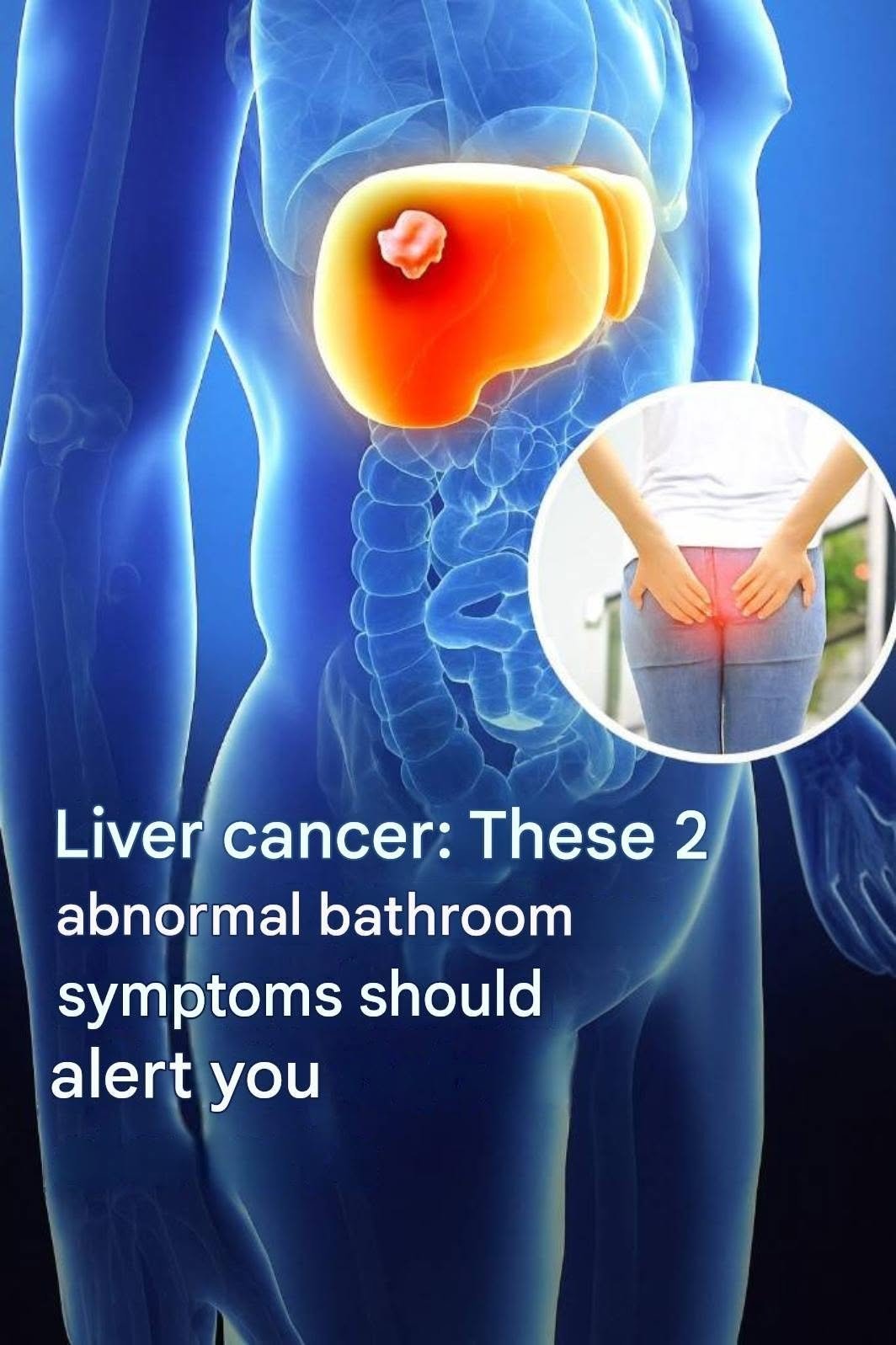
Liver cancer occurs when malignant cells develop in the liver. The most common primary liver cancer in adults is hepatocellular carcinoma (HCC).
It is important to distinguish primary liver cancer from metastatic cancer, in which cancer that began somewhere else in the body spreads to the liver.
Many cases of primary liver cancer develop in a liver that has already been damaged by chronic disease, particularly cirrhosis. Important risk factors include chronic hepatitis B or C, alcohol-related liver disease, and metabolic liver disease such as MASLD. Fréquence Médicale+1
1. Unexplained Weight Loss
One possible warning sign is losing weight without deliberately changing your diet or exercise.
A person may also notice a reduced appetite or feel full unusually quickly.
Weight loss isn’t specific to liver cancer—it can occur with many illnesses—so it should be evaluated when it is persistent or unexplained.
2. Pain or Discomfort in the Upper Right Abdomen
The liver is located primarily on the upper-right side of the abdomen.
Liver cancer can cause discomfort, pressure, or pain in that region. Some people may also notice a feeling of fullness or a lump beneath the ribs.
However, pain in this area can have many other causes, including gallbladder, stomach, intestinal, and muscular problems.
3. Abdominal Swelling
Another potential sign is increasing abdominal size or swelling.
This can occur because of fluid accumulation in the abdomen, known as ascites, particularly when significant liver disease is present.
Unexplained abdominal swelling should be medically assessed rather than assumed to be a liver problem.
4. Yellowing of the Skin or Eyes
Jaundice is one of the more recognizable signs of significant liver or bile-flow problems.
The skin or whites of the eyes can become yellow because bilirubin accumulates in the bloodstream.
Jaundice isn’t exclusive to cancer—it can also occur with hepatitis, gallstones, liver injury, and other conditions—but new jaundice warrants prompt medical evaluation.
5. Persistent Fatigue or Weakness
Some people with liver cancer experience unusual tiredness, weakness, or reduced energy.
Unfortunately, fatigue is a very nonspecific symptom. Poor sleep, anemia, infections, medications, depression, and many other conditions can cause it.
The concern is greater when fatigue occurs together with other unexplained symptoms.
6. Nausea or Loss of Appetite
Liver cancer can sometimes be associated with:
- Loss of appetite
- Nausea
- Vomiting
- Feeling full after eating only a small amount
- General digestive discomfort
Again, these symptoms are common and don’t automatically indicate cancer.
7. Itching
Persistent itching can occur with liver and bile-flow disorders.
If itching is unexplained, widespread, or accompanied by jaundice or other symptoms, it deserves medical attention.
8. Easy Bruising or Bleeding
Advanced liver disease can interfere with the body’s ability to produce proteins involved in blood clotting.
As a result, some people may experience unusual bruising or bleeding.
This isn’t a symptom that should be ignored, particularly when it occurs alongside other signs of liver disease.
Why Liver Cancer Can Be Difficult to Detect
One of the biggest problems is that early liver cancer may cause few noticeable symptoms.
Someone can therefore feel relatively normal while an underlying liver condition is developing.
This is one reason people with certain high-risk conditions—particularly cirrhosis or chronic hepatitis B—may require regular medical surveillance.
What Increases the Risk?
Several established factors can increase the likelihood of liver cancer.
Chronic Hepatitis B or C
Long-term infection with hepatitis B or C can cause chronic inflammation and liver damage, increasing the risk of cirrhosis and liver cancer. Fréquence Médicale
Cirrhosis
Cirrhosis represents significant scarring of the liver and is an important risk factor for hepatocellular carcinoma.
Alcohol-Related Liver Disease
Long-term excessive alcohol consumption can damage the liver and contribute to cirrhosis, which substantially increases cancer risk.
Fatty Liver Disease
Metabolic dysfunction-associated steatotic liver disease (MASLD, formerly commonly called non-alcoholic fatty liver disease) is increasingly important as a liver-cancer risk factor. Fréquence Médicale
Aflatoxin Exposure
Aflatoxins are toxins produced by certain molds that can contaminate improperly stored food products. Significant exposure is an established liver-cancer risk factor.
How Is Liver Cancer Diagnosed?
Symptoms alone cannot diagnose liver cancer.
Doctors may use a combination of:
- Blood tests
- Liver-function testing
- Imaging such as ultrasound, CT, or MRI
- Tumor-marker testing in appropriate circumstances
- Sometimes a biopsy
The appropriate testing depends on the person’s symptoms, risk factors, and imaging findings.
When Should You See a Doctor?
Don’t wait for several symptoms to appear.
Medical evaluation is particularly important for unexplained jaundice, persistent abdominal swelling, unexplained weight loss, blood in the stool or vomit, significant abdominal pain, or persistent changes in appetite or energy.
And if someone already has chronic liver disease, hepatitis, or cirrhosis, regular follow-up is especially important.
The Key Message
Thierry Ardisson’s death is a reminder of the seriousness of liver cancer, but it’s important not to diagnose yourself based on a list of symptoms. Many of these symptoms are caused by much more common conditions.
The most important point is that liver cancer can be relatively silent in its early stages. People at increased risk should discuss appropriate screening or surveillance with their healthcare professional rather than waiting for symptoms to appear. televie.be+1
5. Persistent Fatigue or Weakness
If you want, I can also give you a detailed article on “7 early signs of liver cancer that people often ignore” in a clear, reader-friendly format.