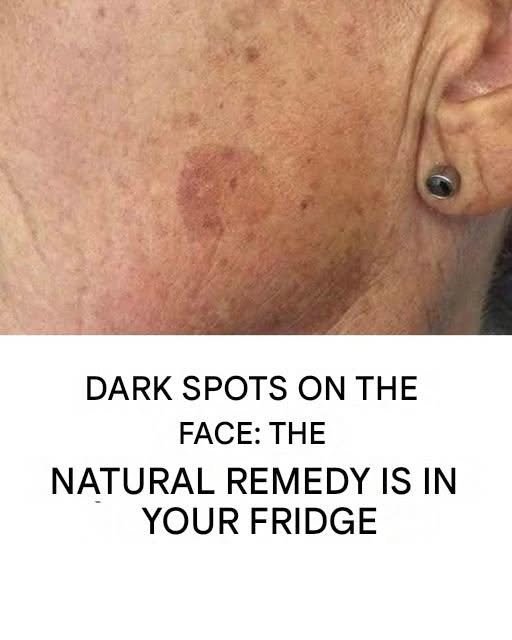
✨ “Add It to Your Cream and Blemishes Will Be a Distant Memory” — What Actually Works?
Many DIY skincare posts promise that adding one household ingredient to your moisturizer will make blemishes disappear. Unfortunately, there is no safe miracle ingredient that can be mixed into any cream and reliably erase facial blemishes.
In fact, adding the wrong substance to a cosmetic product can cause irritation, burns, allergic reactions, or make dark marks worse.
🧴 1. Don’t Mix Random Kitchen Ingredients Into Your Face Cream
Avoid experimenting with ingredients such as:
- Lemon or lime juice
- Baking soda
- Toothpaste
- Vinegar
- Undiluted essential oils
- Hydrogen peroxide
These can disrupt the skin barrier and cause irritation. Citrus juice can also make skin more sensitive to sunlight.
“Natural” doesn’t automatically mean safe for facial skin.
🌿 2. For Dark Spots, Look for Proven Ingredients
If by blemishes you mean dark marks left after pimples, ingredients with better evidence include:
Niacinamide
Can help improve uneven pigmentation and support the skin barrier.
Azelaic acid
Can be useful for both acne and post-inflammatory hyperpigmentation.
Vitamin C
Can help brighten uneven pigmentation when used in an appropriately formulated product.
Retinoids
Retinoids can help acne and pigmentation over time, but they may initially cause dryness or irritation.
🧴 3. Sunscreen Is Essential
If you’re trying to fade dark marks, daily broad-spectrum sunscreen is one of the most important steps.
UV exposure can make pigmentation darker and can slow improvement.
Choose an SPF appropriate for your skin and use it consistently, particularly when spending time outdoors.
🧼 4. If the “Blemishes” Are Actually Acne
Dark spots and active acne aren’t the same problem.
For acne-prone skin, commonly used ingredients include:
- Benzoyl peroxide
- Salicylic acid
- Adapalene
- Azelaic acid
Choose based on the type and severity of your acne rather than throwing several active ingredients onto your face at once.
⚠️ 5. Don’t Scrub Blemishes Away
Aggressive scrubbing, rough exfoliation, or repeatedly picking pimples can cause inflammation and increase the likelihood of post-inflammatory dark marks.
Use a gentle cleanser and avoid squeezing or picking.
🩺 When Should You See a Dermatologist?
Get professional advice if you have:
- Painful or deep acne
- Acne that is leaving scars
- Rapidly changing pigmentation
- A dark spot that changes in size, shape, or color
- Persistent irritation
- A rash that doesn’t improve
A dermatologist can determine whether you’re dealing with acne, pigmentation, eczema, melasma, an infection, or another skin condition.
⭐ A Simple Routine
For many adults concerned about blemishes:
Morning:
Gentle cleanser → moisturizer → broad-spectrum sunscreen
Evening:
Gentle cleanser → one appropriate treatment → moisturizer
Introduce new active ingredients gradually rather than combining several powerful products at once.
Bottom Line
There isn’t a magic ingredient you can add to ordinary cream that will make facial blemishes disappear overnight. The safest approach is to identify what kind of blemish you’re dealing with and use a properly formulated treatment.
And if a viral recipe tells you to mix lemon juice, baking soda, toothpaste, or another harsh household ingredient into your cream, skip it—irritating your skin can leave you with even more discoloration.