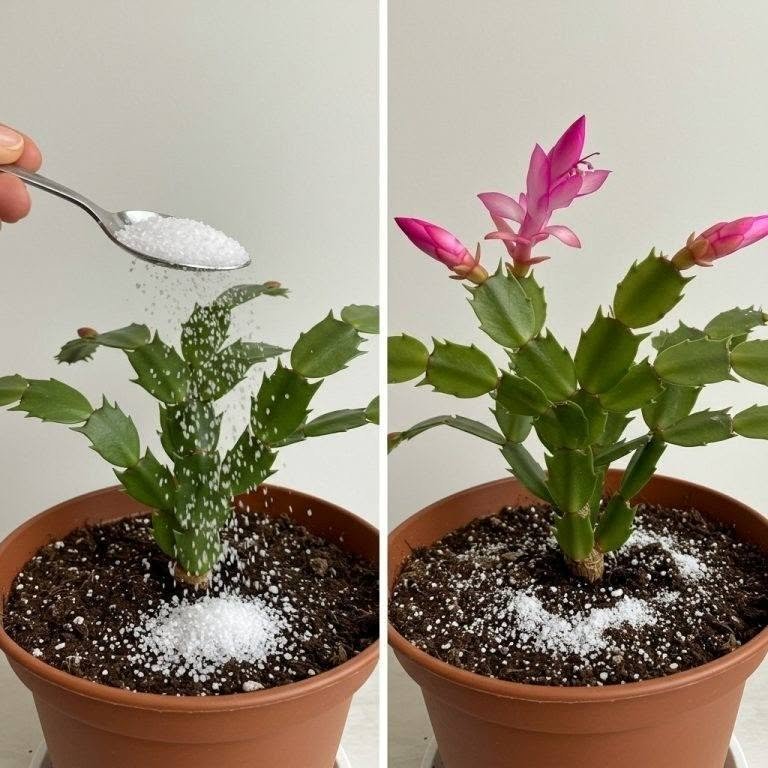
Fall Awakening: Breathing Life into House Flowers with a Little Secret
As the days grow shorter and the crisp feeling of fall settles into the air, many house flowers and indoor plants begin to slow down. Leaves may lose some of their brightness, blooms can become less frequent, and plants that looked vigorous during the warmer months may suddenly appear tired. But autumn does not have to mean the end of beautiful indoor greenery. With a few simple changes in care—and one little secret—you can help your house flowers remain healthy, colorful, and vibrant throughout the season.
The “secret” is not an expensive fertilizer or complicated gardening technique. In many cases, it is simply adjusting your plant care to match the changing season. Indoor plants respond to changes in light, temperature, humidity, watering, and nutrition. What worked perfectly during summer may be too much once fall arrives.
Give Your Plants More Light
One of the biggest changes that occurs in fall is the reduction in natural daylight. As the days become shorter, houseplants may receive considerably less light than they did a few weeks earlier.
Light is essential for photosynthesis, the process through which plants use light to produce energy. Flowering plants need sufficient light not only to maintain healthy leaves but also to support the production and development of flowers.
Move flowering houseplants closer to a bright window if the location is safe from cold drafts. An east- or south-facing window can often provide strong natural light, depending on your location and the structure of your home.
However, avoid placing a plant directly against a cold window if temperatures drop significantly at night. Sudden cold can stress tropical houseplants.
If your home does not receive enough natural light, an appropriate LED grow light can supplement the available daylight. A consistent light schedule can be particularly helpful for plants that need strong light to flower.
The Little Watering Secret
One of the most common mistakes people make in fall is continuing to water their plants exactly as they did during summer.
As temperatures decline and daylight decreases, many plants use water more slowly. Soil can therefore remain wet for longer periods. Constantly wet soil can reduce oxygen around the roots and increase the risk of root rot.
Instead of watering according to a rigid calendar, check the soil.
Push your finger about an inch into the top layer. If the soil feels dry at that depth and the plant’s requirements indicate that it is time to water, give it a thorough watering. If the soil is still moist, wait and check again later.
The exact watering schedule depends on the plant, pot size, soil, humidity, temperature, and amount of light it receives.
The goal is not to keep the soil permanently wet. It is to provide the plant with the amount of moisture it actually needs.
Humidity Can Make a Difference
Indoor heating can make the air considerably drier during the cooler months. Tropical houseplants may respond to dry indoor air with brown leaf edges, curling leaves, or general stress.
Increasing humidity can help some plants.
A humidifier is one of the most reliable methods. Another option is grouping several plants together, which can create a somewhat more humid microenvironment as water evaporates from their leaves and soil.
If you use a humidity tray, make sure the plant’s pot is positioned above the water rather than sitting directly in standing water. Constantly saturated soil can damage roots.
Good air circulation is also important. Humidity should not mean stagnant, constantly wet conditions.
Feed Carefully, Not Excessively
Another important autumn secret is knowing when not to fertilize heavily.
During periods of strong growth, many houseplants benefit from regular feeding. But when growth slows because of lower light and cooler conditions, the plant may require less fertilizer.
Applying large quantities of fertilizer when a plant is growing slowly can lead to excess salts accumulating in the soil. This can damage roots and cause leaf-tip burn.
If your flowering houseplant is still actively growing and producing flowers, a suitable balanced or flowering-plant fertilizer may be useful according to its specific care requirements. Follow the product instructions rather than assuming that more fertilizer means more flowers.
In many cases, consistent light and appropriate watering are more important than adding extra fertilizer.
Remove Damaged Leaves and Spent Flowers
Fall is also an excellent time to give your house flowers a gentle cleanup.
Remove yellow, dead, or severely damaged leaves with clean scissors. Remove spent flowers if the particular plant benefits from deadheading.
This does not magically create new flowers, but it allows the plant to direct resources toward healthy growth and keeps the plant looking attractive.
Cleaning leaves can also help remove accumulated dust. Dust can interfere with the amount of light reaching the leaf surface.
Use a soft, damp cloth and gently wipe broad leaves. Avoid aggressive rubbing or using household cleaning products on the foliage.
Check Carefully for Pests
Before bringing outdoor plants inside—or when moving plants closer to windows—inspect them carefully for pests.
Common indoor plant pests include spider mites, aphids, mealybugs, scale insects, and fungus gnats.
Look underneath leaves, around stems, and near new growth. Sticky residue, tiny insects, webbing, distorted leaves, or clusters of white material can indicate an infestation.
Catching pests early is much easier than dealing with a large infestation later.
If you discover pests, isolate the affected plant from other houseplants and identify the pest before selecting a treatment.
Protect Plants From Temperature Changes
Houseplants can be surprisingly sensitive to sudden temperature changes.
Keep tropical flowering plants away from:
- Cold drafts
- Frequently opened exterior doors
- Very cold windows
- Direct heat from radiators
- Heating vents
- Fireplaces or other intense heat sources
A plant may be comfortable in a warm room while still being damaged by a sudden blast of hot or cold air.
Try to maintain relatively stable indoor conditions appropriate for the particular plant.
Don’t Repot Everything in Fall
It can be tempting to repot a plant as soon as it begins looking unhealthy. But repotting is not always the answer.
If the roots are healthy and the plant is simply responding to reduced light or seasonal changes, unnecessary repotting can create additional stress.
Repot when there is a genuine reason—for example, severely compacted soil, drainage problems, roots filling the container, or a pot that is clearly too small.
When repotting is necessary, choose a container with appropriate drainage and a suitable potting mix for the plant.
The Real Secret: Observe Instead of Following a Schedule
Perhaps the most valuable secret to keeping house flowers healthy in fall is learning to observe the plant rather than following a fixed routine.
Instead of saying, “I always water every Sunday,” ask:
Is the soil dry? Does the plant need water? How much light is it receiving? Are the leaves healthy? Is it actively growing?
Plants are living organisms, and their needs change with their environment.
A plant sitting beside a bright, warm window may require substantially more water than the same species placed in a darker, cooler room. Similarly, a flowering plant in active growth may need different care from one entering a period of dormancy.
A Simple Fall Routine
You can keep your autumn plant-care routine simple:
- Check the light and move plants to brighter locations when appropriate.
- Check the soil before watering rather than watering automatically.
- Inspect leaves and stems for pests at least once a week.
- Remove dead leaves and spent flowers when appropriate.
- Maintain suitable humidity for plants that need it.
- Avoid excessive fertilizer when growth slows.
- Protect plants from cold drafts and direct heat.
- Clean dusty leaves gently away. In fact, it can be an opportunity to develop a more thoughtful approach to indoor gardening. As daylight, temperature, and humidity change, your plants simply need Give them suitable light, water only when appropriate, protect them from temperature extremes, provide reasonable humidity, and avoid excessive so they can receive adequate light.
- Watch the plant’s behavior and adjust care as conditions change.
Final Thoughts
Fall does not have to be a season when your house flowers fade away. In fact, it can be an opportunity to develop a more thoughtful approach to indoor gardening. As daylight, temperature, and humidity change, your plants simply need their care adjusted accordingly.
The biggest secret is surprisingly simple: don’t treat your plants according to the calendar—treat them according to their needs. Give them suitable light, water only when appropriate, protect them from temperature extremes, provide reasonable humidity, and avoid excessive fertilizer.
With these small adjustments, many houseplants can continue looking healthy and attractive well into fall and beyond. And when spring eventually returns with longer days and stronger sunlight, well-cared-for plants will be in a much better position to respond with fresh growth and beautiful flowers.
