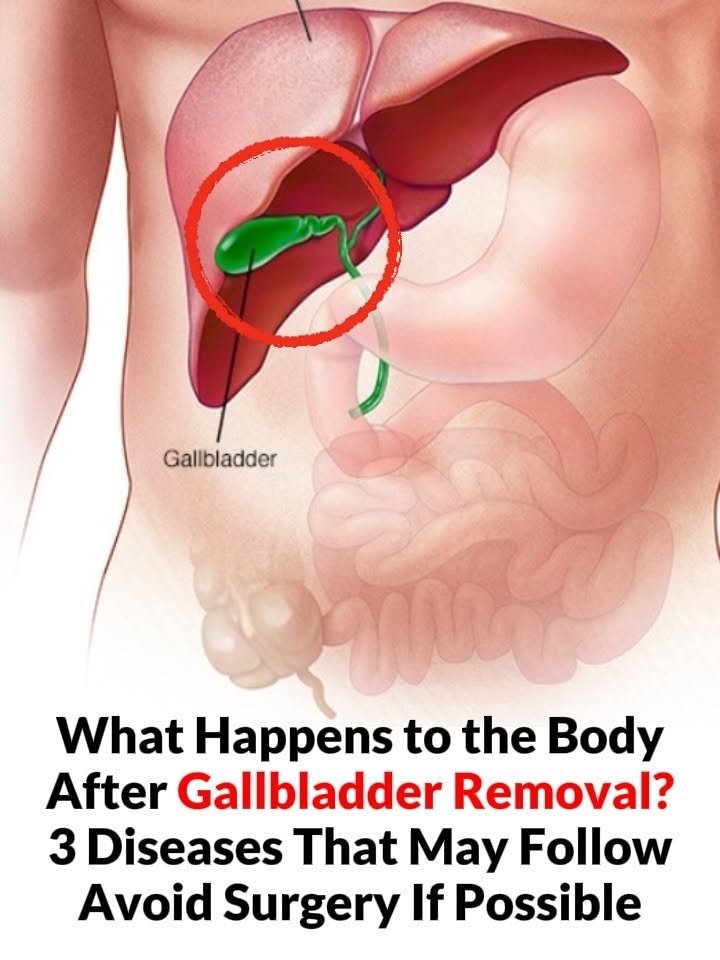
Here’s the detail first: gallbladder removal (cholecystectomy) is generally considered a safe and effective treatment when gallstones or gallbladder disease are causing significant problems. It is not accurate to say that people should “avoid surgery if possible” in every case. For some conditions—especially acute inflammation, infection, or complications from gallstones—delaying appropriate treatment can be dangerous.
What Happens to the Body After Gallbladder Removal?
The gallbladder stores and concentrates bile made by the liver. After removal, the liver continues producing bile, but bile flows more continuously into the small intestine rather than being stored in the gallbladder.
Most people can digest food normally after recovery and do not need their gallbladder to live a normal life.
Some people experience temporary digestive changes, particularly during the first few weeks.
1. Diarrhea or More Frequent Bowel Movements
Because bile reaches the intestine more continuously after surgery, some people develop looser or more frequent stools.
This is often temporary and improves as the digestive system adapts.
For persistent diarrhea, a doctor can evaluate other causes and, when appropriate, consider treatments such as bile-acid sequestrants.
2. Bloating and Gas
Some people notice increased gas, bloating, indigestion, or abdominal discomfort after gallbladder removal.
Large, fatty meals can be particularly troublesome during the early recovery period because the gallbladder is no longer available to release a concentrated amount of bile in response to a meal.
Eating smaller meals and gradually returning to a normal diet can help.
3. Fatty-Food Intolerance
You may find that foods that are very high in fat—such as fried foods, fatty meats, creamy sauces, or large amounts of butter—cause diarrhea or discomfort soon after surgery.
This doesn’t necessarily mean you must permanently follow a very low-fat diet.
Many people gradually return to a normal balanced diet as their body adjusts.
Are There “3 Diseases” Caused by Gallbladder Removal?
There isn’t good evidence that gallbladder removal routinely causes three specific diseases that patients should fear.
However, some complications or longer-term symptoms can occur, and it’s useful to understand them without overstating the risk.
1. Post-Cholecystectomy Diarrhea
This is a recognized complication rather than a separate disease.
Bile acids entering the intestine more continuously can contribute to diarrhea in some people.
If diarrhea persists for weeks or months, it shouldn’t simply be accepted as something you have to live with. A clinician can investigate bile-acid diarrhea and other possible causes.
2. Bile Reflux
Bile can sometimes flow backward into the stomach and, in some cases, toward the esophagus.
This can contribute to symptoms such as:
- Upper abdominal discomfort
- Nausea
- Bitter taste
- Reflux-like symptoms
But not every person with heartburn after gallbladder surgery has bile reflux. Gastroesophageal reflux disease, gastritis, medications, and other conditions can produce similar symptoms.
3. Retained or New Bile-Duct Stones
Removing the gallbladder doesn’t make a person incapable of developing stones in the bile ducts.
A stone can occasionally remain in the common bile duct after surgery or develop there later.
Possible warning signs include:
- Severe upper abdominal pain
- Fever
- Yellowing of the skin or eyes
- Dark urine
- Pale stools
- Persistent vomiting
These symptoms require medical evaluation because a blocked bile duct can lead to serious complications, including infection.
So, Should You Avoid Gallbladder Surgery?
Not simply because you’re worried about these possibilities.
The decision depends on why surgery has been recommended.
For example, someone with recurrent symptomatic gallstones may benefit substantially from removal of the gallbladder because surgery can prevent repeated attacks and complications.
Someone with an incidentally discovered gallstone who has no symptoms may not need surgery at all.
Those are very different situations.
When Surgery Is Commonly Recommended
Cholecystectomy may be recommended for conditions such as:
- Recurrent symptomatic gallstones
- Acute cholecystitis
- Certain complications of gallstones
- Gallstone-related pancreatitis
- Some gallbladder polyps or other specific abnormalities
The exact recommendation depends on the individual circumstances.
What If You Have Gallstones but No Symptoms?
This is where the “avoid surgery if possible” message has some context.
Gallstones that aren’t causing symptoms often don’t require treatment.
Doctors may recommend observation rather than automatically removing the gallbladder.
But once gallstones begin causing recurrent symptoms or complications, the balance changes.
Trying to prevent surgery with unproven “gallbladder cleanses” or extreme diets isn’t a safe substitute for medical evaluation.
What About Gallbladder Flushes?
You may encounter recipes involving olive oil, lemon juice, apple juice, herbs, or other ingredients that supposedly “flush out” gallstones.
There is no reliable evidence that these cleanses dissolve or remove gallstones safely.
What appears in the stool after a cleanse may simply be a mixture of oil and digestive material rather than actual gallstones.
More importantly, someone with a blocked bile duct may need urgent medical treatment rather than a home remedy.
Can Diet Prevent Gallbladder Problems?
A healthy eating pattern can support overall digestive and cardiovascular health and may reduce some risk factors associated with gallstone formation.
Generally useful habits include:
- Maintaining a healthy weight
- Avoiding crash diets and very rapid weight loss
- Eating plenty of fiber-rich foods
- Eating vegetables, fruits, whole grains, and legumes
- Choosing healthier unsaturated fats in reasonable amounts
- Limiting highly processed foods and excessive saturated fat
But diet cannot guarantee that existing gallstones will disappear.
After Surgery: How to Eat
Immediately after surgery, your healthcare team may recommend a lighter diet.
As recovery progresses, most people can gradually reintroduce foods.
A practical approach is:
Start small → eat slowly → limit very fatty meals initially → gradually expand your diet.
If a particular food repeatedly causes diarrhea or pain, reduce it temporarily and discuss persistent symptoms with your doctor.
When to Seek Medical Help After Removal
Contact your healthcare professional if you develop persistent or worsening:
- Abdominal pain
- Fever
- Vomiting
- Diarrhea
- Jaundice
- Dark urine
- Pale stools
- Unexplained weight loss
Severe abdominal pain accompanied by fever or jaundice needs prompt medical assessment.
The Bottom Line
Gallbladder removal doesn’t automatically lead to three diseases. Most people recover well and can eat and live normally without a gallbladder.
Some people do experience persistent diarrhea, bloating, reflux-like symptoms, or other digestive problems, and a small number develop complications involving the bile ducts. These possibilities should be discussed with your surgeon or gastroenterologist.
Most importantly, don’t avoid a medically indicated gallbladder operation solely because of alarming claims online. If your gallstones aren’t causing symptoms, observation may sometimes be appropriate; if you’re experiencing recurrent attacks, inflammation, infection, pancreatitis, or bile-duct obstruction, delaying treatment can carry its own risks.