🧴 Itchy Scalp? Here Are the Main Causes You Should Know About
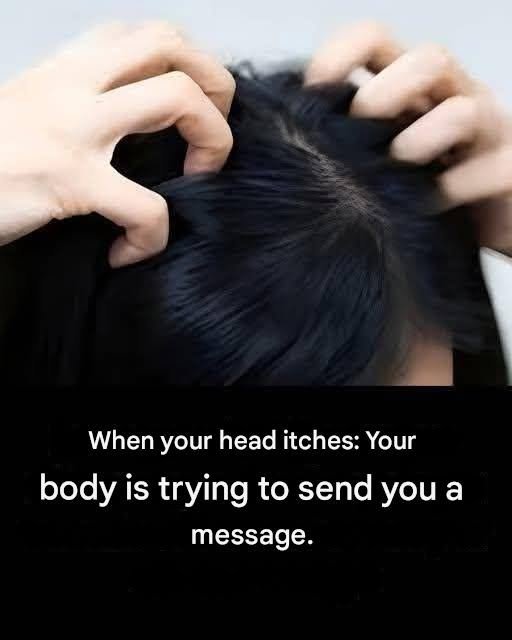
An itchy scalp can be irritating, distracting, and sometimes embarrassing. The good news is that an itchy scalp is usually caused by a common skin or hair-care problem, rather than something dangerous.
However, persistent itching—especially when accompanied by redness, scaling, sores, hair loss, swelling, or a rash elsewhere on the body—can indicate an underlying condition that deserves attention.
Here are some of the most common causes.
1. 🧼 Dandruff and Seborrheic Dermatitis
One of the most frequent causes of an itchy scalp is dandruff.
Dandruff can produce white or yellowish flakes and mild irritation. When the inflammation is more pronounced, it may be part of seborrheic dermatitis.
You may notice:
- Itchy or irritated scalp
- Flaking
- Greasy or oily scales
- Redness
- Similar scaling around the eyebrows, ears, nose, or beard
Dandruff isn’t simply a sign that someone doesn’t wash their hair enough. It can be related to oil production, skin sensitivity, and a yeast called Malassezia that normally lives on the skin.
2. 🧴 Dry Skin
A dry scalp can become itchy and uncomfortable, particularly during cold or dry weather.
Frequent washing with harsh shampoos, very hot showers, or excessive use of heat-styling tools can make dryness worse.
Dry scalp often produces small, dry flakes, rather than the greasy scales sometimes associated with seborrheic dermatitis.
Using a gentle shampoo and avoiding very hot water may help.
3. 🧪 Reaction to Hair Products
Sometimes the problem isn’t your scalp itself—it’s something you’re putting on it.
Shampoo, conditioner, hair dye, gels, sprays, fragrances, and other products can cause irritation or allergic contact dermatitis.
A reaction may cause:
- Intense itching
- Redness
- Burning
- Scaling
- Rash around the hairline, ears, neck, or face
If symptoms appeared soon after using a new product, stop using it and see whether the irritation improves.
Hair dyes containing paraphenylenediamine (PPD) can cause particularly significant allergic reactions in susceptible individuals.
4. 🦠 Scalp Ringworm
Tinea capitis, commonly called scalp ringworm, is a fungal infection that can cause significant itching.
Unlike ordinary dandruff, it may cause:
- Scaly patches
- Broken hairs
- Areas of hair loss
- Tenderness
- Swollen lymph nodes
- Black dots where hairs have broken close to the scalp
Scalp ringworm is particularly common in children but can occur in adults as well.
Because it usually requires prescription antifungal treatment, persistent scaling accompanied by hair loss should be evaluated by a healthcare professional.
5. 🪳 Head Lice
Head lice can cause intense scalp itching.
You may notice itching particularly around the back of the neck and behind the ears.
Look closely for tiny insects or eggs (nits) attached firmly to individual hairs.
Lice are spread primarily through close head-to-head contact. They aren’t a sign of poor hygiene.
If you suspect lice, use an appropriate lice treatment and follow its instructions carefully. Household insecticides should not be applied to the scalp.
6. 🩹 Psoriasis
Scalp psoriasis is an inflammatory skin condition that can produce thick, well-defined patches with silvery-white scales.
The affected skin may itch, burn, or feel sore.
Psoriasis can extend beyond the hairline and may also affect areas such as the elbows, knees, or nails.
If you have persistent thick scaling that doesn’t respond to ordinary dandruff treatments, a dermatologist can help determine whether psoriasis is responsible.
7. 🧴 Folliculitis
Folliculitis occurs when hair follicles become inflamed.
It can sometimes resemble small pimples or bumps and may cause:
- Itching
- Redness
- Tenderness
- Pus-filled bumps
Sweating, friction, certain skin conditions, and infections can contribute to folliculitis.
Avoid picking or scratching the bumps, which can increase irritation and potentially lead to infection.
8. 🌿 Eczema or Atopic Dermatitis
Eczema can affect the scalp and cause itching, dryness, redness, and scaling.
People who have eczema elsewhere on the body may be more prone to scalp involvement.
Scratching can damage the skin and create a cycle of increasing irritation.
Gentle, fragrance-free hair products may be helpful for people with sensitive skin.
9. 💊 Certain Medical Conditions or Medications
Less commonly, generalized itching can be associated with medical conditions affecting the body, including certain thyroid, liver, or kidney disorders.
If your scalp itching is accompanied by itching all over your body, unexplained weight changes, unusual fatigue, jaundice, swelling, or other unexplained symptoms, discuss it with a healthcare professional.
Some medications can also cause itching or skin reactions.
10. 😣 Stress and Scratching
Stress doesn’t necessarily cause a scalp disease by itself, but it can increase the sensation of itching and make some existing skin conditions worse.
Repeated scratching can damage the skin, leading to inflammation, scabs, and sometimes infection.
If you notice yourself scratching automatically, keeping your fingernails short and using gentle scalp-care practices can help reduce damage.
🔎 How Can You Tell What Is Causing It?
Pay attention to what accompanies the itching.
Itching + white or yellow flakes
Dandruff or seborrheic dermatitis may be responsible.
Itching + hair loss or broken hairs
Consider scalp ringworm or another scalp disorder and seek medical evaluation.
Itching + thick silvery scales
Scalp psoriasis is one possibility.
Intense itching + nits or insects
Head lice may be the cause.
Itching + rash after a new hair product
An allergic or irritant reaction is possible.
Itching + painful bumps or pus
Folliculitis or another infection may need treatment.
🚫 Don’t Scratch Aggressively
Scratching may provide temporary relief, but repeated scratching can create tiny breaks in the skin.
That can lead to:
- Bleeding
- Scabbing
- Increased inflammation
- Secondary infection
- More itching
Instead, try to identify and treat the underlying cause.
🧴 Simple Scalp-Care Tips
You can reduce irritation by:
- Washing with a gentle shampoo.
- Avoiding very hot water.
- Limiting heavily fragranced hair products if they irritate your scalp.
- Rinsing shampoo thoroughly.
- Avoiding excessive scratching.
- Washing combs and brushes regularly.
- Not sharing combs, brushes, hats, or hair accessories if lice or fungal infection is suspected.
- Following the directions carefully when using medicated dandruff shampoos.
If an over-the-counter dandruff treatment doesn’t improve your symptoms after appropriate use, a healthcare professional can help determine the cause.
🚨 When Should You See a Doctor?
Get medical advice if the itching is severe, persistent, or repeatedly returning, particularly if you have:
- Significant hair loss
- Painful or swollen areas
- Pus or drainage
- Open sores
- Thick crusting
- A spreading rash
- Fever
- Swollen lymph nodes
- Symptoms that began after hair dye or another product
- Itching that affects your entire body
Seek urgent care if you develop rapid swelling of the face, lips, tongue, or throat or difficulty breathing, particularly after using a hair or cosmetic product. These can be signs of a serious allergic reaction.
🌟 The Bottom Line
An itchy scalp can come from something as simple as dry skin or dandruff, but it can also be caused by hair-product reactions, lice, fungal infections, psoriasis, eczema, or folliculitis.
The most useful clue isn’t the itching alone—it’s the pattern of symptoms that comes with it.
If itching persists, causes sores or hair loss, or doesn’t improve with appropriate basic care, don’t keep scratching and hoping it disappears. Finding the underlying cause is the best way to get lasting relief and protect the health of your scalp and hair.