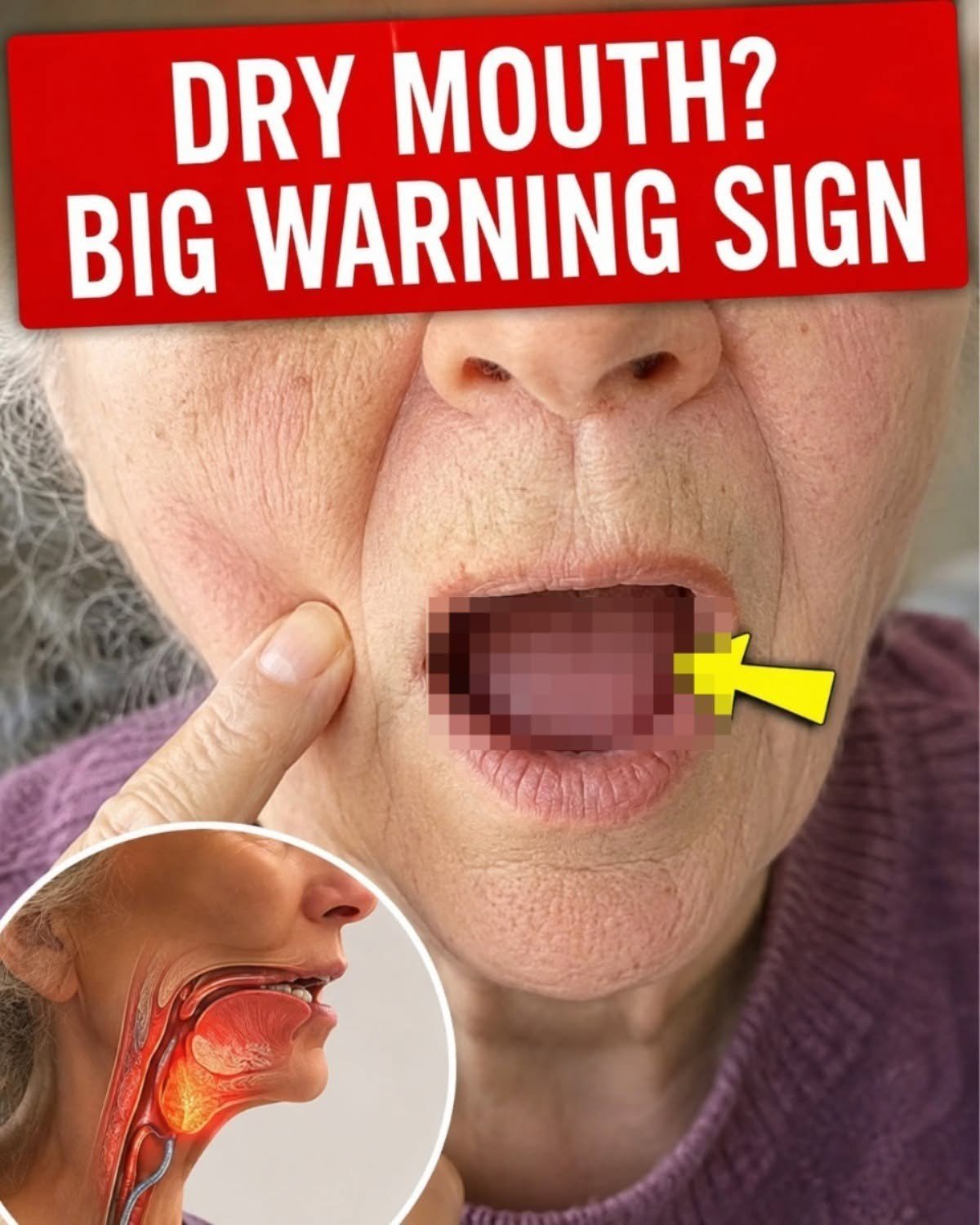
🌙 DRY MOUTH EVERY MORNING? Don’t IGNORE What Your Body Could Be Signaling
Waking up with a dry, sticky mouth once in a while is common. But if your mouth feels very dry every morning, especially if it happens consistently, it’s worth paying attention to.
Dry mouth—also called xerostomia—means there isn’t enough saliva to keep the mouth properly moist. It isn’t considered a normal part of aging by itself. Persistent dry mouth can also increase the risk of tooth decay, gum problems, mouth sores, and oral infections. NIDCR+1
The good news is that morning dry mouth has many possible explanations, and several are relatively simple to address.
1. 💧 You May Be Dehydrated
Not drinking enough fluids can contribute to a dry mouth.
You may be more likely to wake up dehydrated if you’ve been sweating heavily, had an illness causing fluid loss, or simply aren’t drinking enough throughout the day.
Try drinking water regularly rather than waiting until you’re extremely thirsty.
However, persistent dry mouth shouldn’t automatically be blamed on dehydration. There are many other possible causes.
2. 😴 You May Be Sleeping With Your Mouth Open
One of the most common reasons for waking with a dry mouth is mouth breathing during sleep.
A blocked nose, nasal congestion, snoring, or sleeping with your mouth open can allow air to continuously pass through your mouth and dry it out. Mayo Clinic
If you regularly wake with a dry mouth and also snore loudly, wake up gasping, or feel excessively tired during the day, discuss these symptoms with a healthcare professional.
3. 💊 Your Medication Could Be Responsible
Hundreds of medications can reduce saliva production.
Examples include some medicines used for:
- High blood pressure
- Depression
- Anxiety
- Allergies
- Colds and congestion
- Pain
- Bladder problems
- Muscle relaxation
Antihistamines and decongestants are particularly well-known contributors. NIDCR+1
If your dry mouth began after starting a new medication, don’t stop the medicine yourself. Ask your doctor or pharmacist whether it could be contributing and whether an alternative or adjustment is appropriate.
4. 🩸 It Can Sometimes Be Associated With Diabetes
Persistent dry mouth can occur in people with diabetes.
Other symptoms that may accompany diabetes include increased thirst, frequent urination, fatigue, blurred vision, or unexplained weight changes.
Dry mouth alone doesn’t mean you have diabetes, but if you have several of these symptoms or diabetes risk factors, discussing blood-glucose testing with a healthcare professional may be sensible. NIDCR
5. 🌸 Sjögren’s Disease Is Another Possibility
Sjögren’s disease is an autoimmune condition that can affect the glands responsible for producing saliva and tears.
People may experience:
4. 🩸 It Can Sometimes Be Associated With Diabetes
- Persistent dry mouth
- Dry or gritty eyes
- Difficulty swallowing dry foods
- Mouth discomfort
- Increased dental problems
Again, ordinary morning dryness doesn’t mean you have Sjögren’s disease. But persistent dry mouth together with significant dry eyes deserves medical evaluation. NIDCR
6. ☕ Caffeine and Alcohol May Make It Worse
Caffeinated drinks and alcohol can contribute to dryness or irritation in some people.
If you regularly consume coffee, tea, energy drinks, or alcohol late in the day and wake with a dry mouth, consider reducing them—particularly close to bedtime. Mayo Clinic specifically recommends limiting caffeine and alcohol when managing dry-mouth symptoms. Mayo Clinic
7. 🚬 Tobacco Can Contribute to Dryness
Smoking and other tobacco use can dry and irritate the mouth.
Tobacco also increases the risk of serious oral-health problems, so persistent dry mouth is another reason to consider quitting.
8. 👅 Pay Attention to Other Symptoms
Dry mouth becomes more important to investigate when it occurs alongside other changes.
Watch for:
- Very thick or stringy saliva
- Persistent bad breath
- Difficulty chewing or swallowing
- Burning or soreness in the mouth
- Cracked lips
- A dry or grooved tongue
- Altered taste
- Recurrent mouth infections
- Increasing cavities
These are recognized symptoms or complications associated with inadequate saliva. Mayo Clinic+1
9. 🦷 Don’t Ignore Your Teeth
Saliva isn’t just there to keep your mouth comfortable.
It helps wash away food particles, neutralize acids produced by bacteria, and protect the teeth and oral tissues. When saliva production is reduced, the risk of tooth decay and gum disease increases. MouthHealthy
If you frequently wake with a dry mouth, be particularly consistent about brushing with fluoride toothpaste and maintaining regular dental care.
10. 💦 Simple Ways to Relieve Morning Dry Mouth
You can try several practical measures:
7. 🚬 Tobacco Can Contribute to Dryness
8. 👅 Pay Attention to Other Symptoms
9. 🦷 Don’t Ignore Your Teeth
- Keep water beside your bed.
- Sip water regularly throughout the day.
- Chew sugar-free gum to stimulate saliva.
- Consider sugar-free products containing xylitol.
- Avoid excessive alcohol and tobacco.
- Limit caffeine if it worsens your symptoms.
- Use a humidifier if the bedroom air is very dry.
- Try to breathe through your nose rather than your mouth.
- Maintain good oral hygiene.
- Avoid frequent sugary drinks and sweets.
These measures can help relieve symptoms, but they don’t replace finding the underlying cause when dryness persists. Mayo Clinic+1
🚨 When Should You See a Doctor or Dentist?
Make an appointment if your dry mouth doesn’t go away or keeps occurring, particularly if it is interfering with eating, swallowing, speaking, sleeping, or your oral health.
A healthcare professional can review your medications, examine your mouth, and—if necessary—order blood tests or other investigations to identify the cause. Mayo Clinic
Seek prompt medical or dental evaluation if you develop persistent mouth sores, unexplained swelling, significant difficulty swallowing, or other unusual changes in your mouth.
🌟 The Bottom Line
Waking up with a dry mouth every morning isn’t necessarily a sign of something serious—but persistent dryness shouldn’t simply be dismissed.
Mouth breathing, dehydration, medications, diabetes, tobacco or alcohol use, and conditions affecting the salivary glands can all contribute. NIDCR+1
Instead of assuming that morning dry mouth means one particular disease, look at the whole pattern: How long has it been happening? Are you snoring or breathing through your mouth? Have you started a new medication? Are you unusually thirsty? Do you also have dry eyes or dental problems?
Finding the cause is the key to treating it—and protecting your teeth and overall oral health.