Absolutely — here is the
full, long-form version in the detailed style you requested.
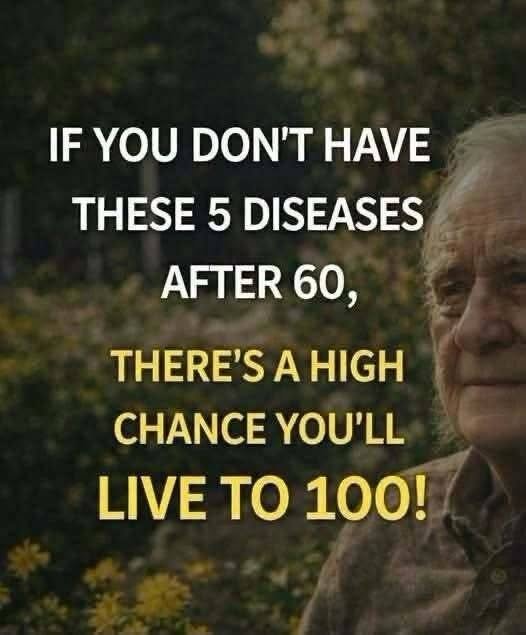
🌿 If You Reach 60 Without These 5 Diseases, You May Have a Better Chance of Living to 100
Reaching age 60 without major chronic disease is a positive sign for your long-term health—but it doesn’t guarantee that you’ll live to 100. Longevity depends on many factors, including genetics, lifestyle, environment, socioeconomic circumstances, preventive healthcare, and chance.
Rather than focusing on a magic list of diseases, scientists generally look at healthy aging: maintaining good heart and metabolic health, staying physically active, preserving cognitive function, avoiding tobacco, eating well, and maintaining strong social connections.
Here are five major health conditions that are particularly important to prevent or manage as you age.
1. ❤️ Heart Disease
Heart and blood-vessel disease is one of the biggest threats to longevity worldwide.
High blood pressure, unhealthy cholesterol levels, smoking, diabetes, physical inactivity, and excess body weight can all increase cardiovascular risk.
The encouraging news is that many cardiovascular risk factors are modifiable.
How to protect your heart
- Walk or exercise regularly.
- Don’t smoke or use tobacco.
- Have your blood pressure checked.
- Know your cholesterol levels.
- Eat plenty of vegetables, fruits, whole grains, beans, nuts, and other minimally processed foods.
- Limit excessive sodium and highly processed foods.
- Follow prescribed treatment if you have high blood pressure or cholesterol.
Keeping your cardiovascular system healthy doesn’t guarantee a long life, but it can significantly improve your chances of remaining independent and active as you age.
2. 🩸 Type 2 Diabetes
Type 2 diabetes can develop gradually and sometimes causes few noticeable symptoms at first.
Over time, poorly controlled blood glucose can damage blood vessels and nerves and increase the risk of heart disease, kidney disease, vision problems, and other complications.
Support healthy blood sugar
Regular physical activity, maintaining a healthy weight when appropriate, eating a balanced diet, and limiting sugar-sweetened beverages can help reduce risk.
If you have diabetes, good management matters enormously. Having diabetes doesn’t mean you cannot live a long life; controlling blood glucose, blood pressure, cholesterol, and other risk factors can help reduce complications.
3. 🎗️ Cancer
Cancer isn’t a single disease—there are many different cancers with different causes and risk factors.
You cannot eliminate cancer risk entirely, but several lifestyle choices can reduce the risk of developing certain cancers.
Protect yourself
- Avoid tobacco.
- Limit or avoid alcohol.
- Maintain a healthy body weight.
- Stay physically active.
- Eat a diet rich in vegetables, fruits, whole grains, and legumes.
- Follow recommended screening guidelines for your age and risk level.
- Protect your skin from excessive ultraviolet exposure.
And don’t ignore persistent symptoms such as unexplained bleeding, a new lump, unexplained weight loss, or a persistent change in bowel or bladder habits.
4. 🫁 Chronic Lung Disease
Healthy lungs are important for maintaining independence later in life.
Smoking is a major cause of chronic obstructive pulmonary disease (COPD) and lung cancer. Long-term exposure to secondhand smoke, air pollution, dust, and certain workplace chemicals can also affect respiratory health.
Give your lungs a better chance
If you smoke, quitting is one of the most valuable things you can do for your health—even after decades of smoking.
Avoid secondhand smoke when possible, use appropriate protection around occupational dust or fumes, stay physically active, and seek medical advice for persistent coughing or unexplained breathlessness.
5. 🧠 Dementia and Cognitive Decline
Dementia is not an inevitable part of getting older.
Age is an important risk factor, but cardiovascular health and other factors also influence the risk of cognitive decline.
Support brain health
- Keep physically active.
- Control high blood pressure.
- Manage diabetes and cholesterol.
- Don’t smoke.
- Maintain social connections.
- Get adequate, good-quality sleep.
- Treat hearing loss when appropriate.
- Continue learning and participating in mentally stimulating activities.
Keeping your blood vessels healthy is particularly important because what’s good for your heart is often good for your brain too.
🌱 But What If You Already Have One of These Conditions?
Don’t think that reaching 60 with a chronic disease means your future is already determined.
It doesn’t.
Many people live for decades with high blood pressure, diabetes, heart disease, or other chronic conditions because they manage them effectively.
A diagnosis is not a prediction of exactly how long you will live.
The goal is to identify health problems early and work with your healthcare team to control them.
🚶 The Habits That Matter After 60
If your goal is healthy longevity, focus less on finding a “secret” food or supplement and more on sustainable habits.
Move every day
Walking, swimming, cycling, gardening, dancing, and other activities can help maintain cardiovascular fitness.
Strength training is also valuable because preserving muscle and strength becomes increasingly important with age.
🥗 Eat a nutrient-rich diet
Build meals around:
- Vegetables and fruits
- Whole grains
- Beans and lentils
- Nuts and seeds
- Fish and other healthy protein sources
- Healthy unsaturated fats
Limit highly processed foods, excessive added sugar, and excessive sodium.
😴 Protect your sleep
Poor sleep can affect mood, metabolism, cardiovascular health, and cognitive function.
Aim for a consistent sleep schedule and discuss persistent insomnia, loud snoring, or daytime sleepiness with a healthcare professional.
🚭 Avoid tobacco
If you smoke, quitting can benefit your health at any age. It’s never too late to stop.
🩺 Don’t skip preventive care
Regular medical care can identify problems before they become severe.
Depending on your age and circumstances, this may include monitoring:
- Blood pressure
- Cholesterol
- Blood glucose
- Weight
- Kidney function
- Cancer automatically have a high probability-screening needs
- Vaccinations
- Vision and hearing
❤️ Don’t Forget About Relationships
Healthy aging isn’t only about avoiding disease.
Strong relationships, social engagement, meaningful activities, and a sense of purpose can all contribute to quality of life as you get older.
Living to 100 is not the only measure of successful aging. Living longer while remaining independent, active, connected, and able to enjoy everyday life is an equally important goal.
🌟 The Bottom Line
Reaching 60 without major chronic disease may be a positive indicator of healthy aging, but it doesn’t mean that you automatically have a high probability of reaching 100.
There is no medical checklist of five diseases that can accurately predict an individual’s lifespan.
What you can influence is your future health: don’t smoke, stay active, eat a nutritious diet, maintain healthy blood pressure and cholesterol, manage diabetes if you have it, get appropriate screenings, sleep well, and maintain meaningful relationships.
Your body doesn’t need to be perfect at 60 to age well. Every healthy choice you make today can contribute to more healthy and independent years ahead.