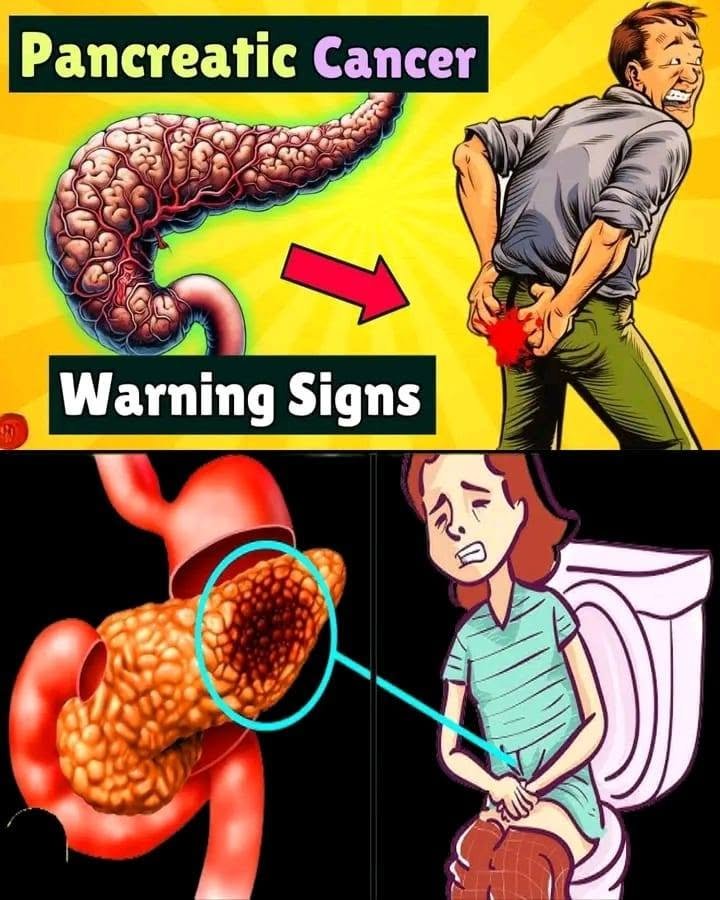
15 Silent Signs of Pancreatic Cancer You Need to Know 🎗️
Pancreatic cancer can be difficult to detect early because it may cause few or nonspecific symptoms at first. Many of the signs below are much more commonly caused by other conditions, so experiencing one does not mean you have pancreatic cancer. However, persistent or unexplained changes should be discussed with a healthcare professional.
1. Unexplained weight loss
Losing weight without deliberately changing your diet or activity level can occur with many illnesses. Significant, unexplained weight loss is worth getting checked, especially when it continues.
2. Loss of appetite
A noticeable and persistent reduction in appetite can occur with digestive disorders and other medical conditions, including pancreatic cancer.
3. Persistent abdominal pain
Pancreatic cancer can cause discomfort or pain in the upper abdomen. In some people, the pain may extend toward the back and can become more noticeable after eating or when lying down.
4. Back pain
Persistent upper or middle back pain without an obvious muscular or skeletal cause can sometimes occur when a pancreatic tumor affects surrounding tissues or nerves.
5. Jaundice
Yellowing of the skin or whites of the eyes can occur when bile flow becomes blocked. Dark urine, unusually pale stools, and generalized itching can accompany jaundice.
Jaundice has many causes, including gallstones and liver disease, but it should be medically evaluated.
6. Dark-colored urine
Urine that becomes noticeably darker than usual—particularly together with yellowing of the eyes or skin—can be a sign of increased bilirubin and requires evaluation.
7. Pale or greasy stools
Stools that are unusually pale, oily, floating, difficult to flush, or persistently foul-smelling may indicate problems digesting or absorbing fat. Pancreatic conditions are one possible cause.
8. Persistent itching
Unexplained generalized itching can occur when bilirubin builds up in the bloodstream, including in conditions that obstruct bile flow.
9. Nausea or vomiting
Persistent nausea or vomiting can have countless causes. In pancreatic disease, digestive symptoms may occur when a tumor interferes with normal digestion or the gastrointestinal tract.
10. Indigestion or persistent bloating
Ongoing indigestion, abdominal discomfort, or bloating is common and usually has a non-cancerous explanation. But persistent or worsening symptoms should be assessed rather than repeatedly treated without identifying the cause.
11. New or worsening diabetes
The pancreas plays an important role in regulating blood sugar. New-onset diabetes, particularly when accompanied by unexplained weight loss or other digestive symptoms, can sometimes be associated with pancreatic disease.
Most people who develop diabetes do not have pancreatic cancer, so this sign alone is not diagnostic.
12. Changes in bowel habits
Persistent diarrhea, constipation, or other significant changes in bowel habits can result from many digestive conditions. If the change continues without an obvious explanation, seek medical advice.
13. Fatigue or weakness
Persistent unexplained fatigue can accompany many illnesses, including anemia, infections, metabolic conditions, and cancer. It becomes more concerning when combined with other unexplained symptoms.
14. Blood clots without an obvious cause
Cancer can increase the tendency for blood to clot. An unexplained clot—particularly a new clot in a leg or lung—requires prompt medical evaluation, although most blood clots are not caused by pancreatic cancer.
15. Changes in how foods are tolerated
New, persistent digestive problems after eating—especially when associated with weight loss, greasy stools, abdominal pain, or jaundice—should be evaluated. These symptoms can arise from pancreatic, gallbladder, stomach, or intestinal disorders.
🚨 When Should You See a Doctor?
Don’t wait for symptoms to become severe. Arrange a medical evaluation if you develop persistent unexplained weight loss, ongoing abdominal or back pain, jaundice, repeated vomiting, significant changes in bowel movements, or newly developed blood-sugar problems.
Seek urgent medical attention for new jaundice accompanied by severe abdominal pain or fever, vomiting that prevents you from keeping fluids down, or symptoms of a blood clot such as sudden chest pain or difficulty breathing.
🎗️ The most important thing to remember
These symptoms cannot diagnose pancreatic cancer. Many are caused by much more common conditions such as gallstones, pancreatitis, ulcers, reflux, liver disease, diabetes, or gastrointestinal disorders.
Because pancreatic cancer can be difficult to detect early, persistent or unexplained symptoms deserve a proper medical assessment rather than being treated with home remedies or ignored.