8 Habits You Should Stop This Year If You Are Taking Amlodipine—and Why
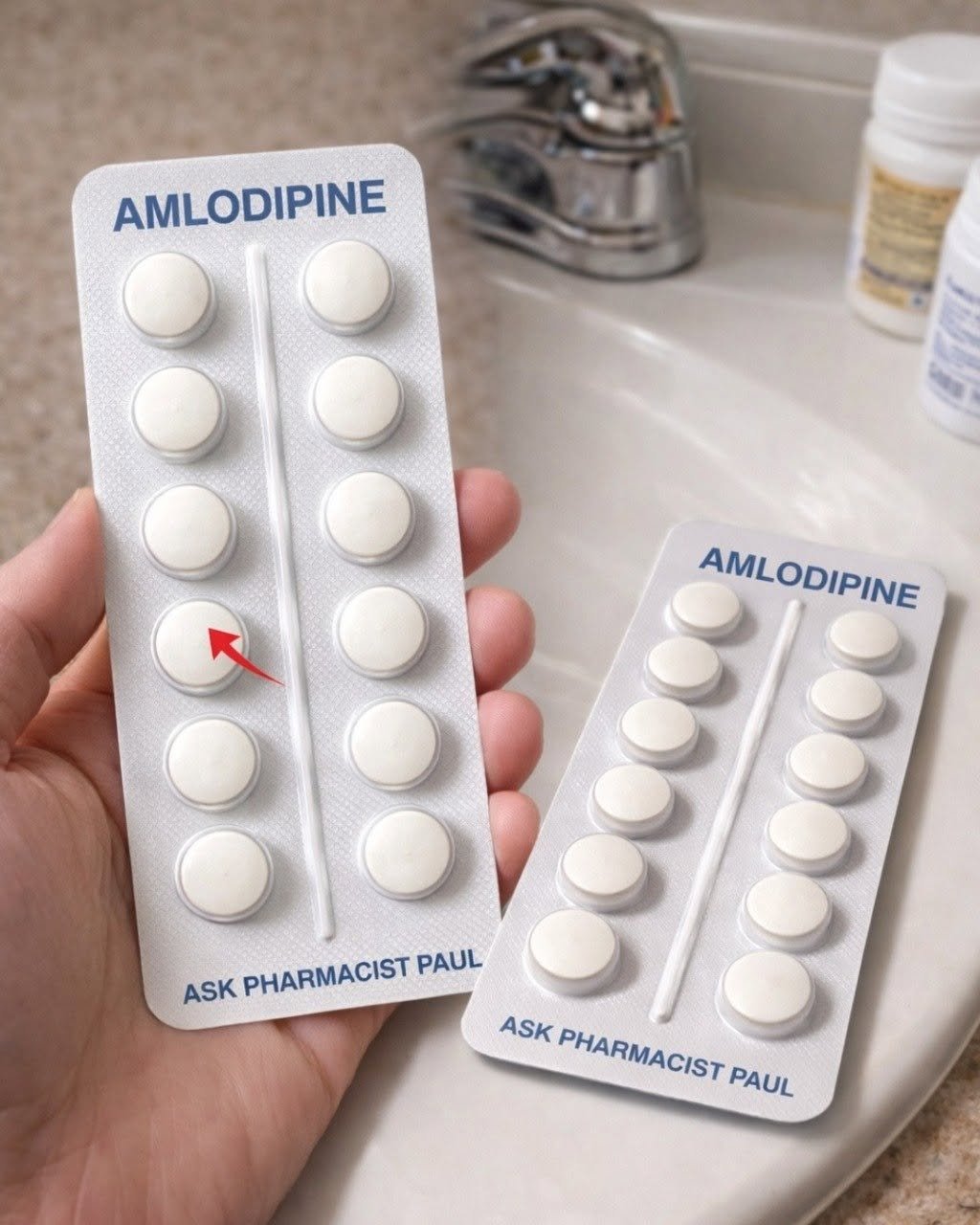
Amlodipine is a calcium-channel blocker commonly prescribed for high blood pressure and certain types of angina. It works mainly by relaxing blood vessels, making it easier for the heart to pump blood and helping lower blood pressure. MedlinePlus+1
Amlodipine is generally well tolerated, but the way you use it—and some everyday habits—can affect your blood pressure, side effects, and overall treatment.
Importantly, don’t stop amlodipine just because you feel well. High blood pressure often has no obvious symptoms, and amlodipine controls the condition rather than curing it. MedlinePlus
Here are eight habits worth reconsidering.
1. Stop Skipping Your Amlodipine
One of the biggest mistakes is taking amlodipine only when you think your blood pressure is high.
Amlodipine is designed to be taken regularly, usually once a day, at approximately the same time each day. MedlinePlus
You may feel perfectly normal even when your blood pressure is elevated. Skipping doses can therefore allow your blood pressure to rise without producing an obvious warning.
If you forget a dose, follow the instructions provided with your particular prescription. Don’t double up unless your healthcare professional specifically tells you to.
A better habit
Choose a consistent time—such as with breakfast—and make it part of your daily routine.
2. Stop Eating Excessive Amounts of Salt
Amlodipine lowers blood pressure, but a diet consistently high in sodium can work against your blood-pressure goals.
High sodium intake can contribute to fluid retention and elevated blood pressure in salt-sensitive individuals.
You don’t necessarily need to eliminate salt completely. Instead, pay attention to major sources such as:
- Processed meats
- Packaged soups
- Salty snacks
- Fast food
- Pickles and heavily salted foods
- Instant noodles
- Commercial sauces
- Highly processed convenience foods
MedlinePlus specifically recommends following a low-salt or low-sodium diet when your doctor has prescribed one. MedlinePlus
3. Stop Ignoring Swollen Ankles
Swelling of the feet, ankles, or lower legs is a well-known side effect of amlodipine. MedlinePlus
This happens partly because amlodipine dilates small blood vessels, which can increase pressure in tiny vessels and encourage fluid to move into surrounding tissue.
Mild ankle swelling isn’t necessarily dangerous, but don’t simply tolerate worsening swelling indefinitely.
Tell your healthcare professional if swelling:
- Is persistent
- Is getting worse
- Becomes uncomfortable
- Develops suddenly
- Is accompanied by shortness of breath
- Is associated with rapid weight gain
Your clinician may be able to adjust your treatment rather than simply telling you to live with the swelling.
4. Stop Standing Up Too Quickly If You Feel Dizzy
Amlodipine can cause dizziness or lightheadedness, particularly in some people when blood pressure falls too much. MedlinePlus
If you’ve been sitting or lying down for a while, stand up gradually.
For example:
Lie down → sit up → pause → stand.
If you’re repeatedly dizzy, don’t assume it’s something you simply have to endure. Your blood pressure may be running too low, or another medication or health problem could be contributing.
Repeated fainting or severe dizziness requires prompt medical attention.
5. Stop Making Major Changes to Your Medication Without Checking First
This includes starting or stopping:
You may feel perfectly normal even when your blood pressure is elevated. Skipping doses can therefore allow your blood pressure to rise without producing an obvious warning.
A better habit
2. Stop Eating Excessive Amounts of Salt
- Processed meats
- Packaged soups
- Salty snacks
- Fast food
- Pickles and heavily salted foods
- Instant noodles
- Commercial sauces
- Highly processed convenience foods
- Prescription medications
- OTC pain medicines
- Herbal products
- Vitamins
- Supplements
Amlodipine can be used with many other medicines, but drug interactions are still possible, and your healthcare professional needs to know what you’re taking. MedlinePlus specifically recommends telling your doctor or pharmacist about prescription medicines, nonprescription medicines, vitamins, supplements, and herbal products. MedlinePlus
What about grapefruit?
Here’s an important correction to a common internet warning.
Grapefruit is not generally considered a major interaction with amlodipine. The U.S. prescribing information reports that grapefruit juice did not significantly alter amlodipine levels in a study of healthy volunteers. DailyMed
That doesn’t mean grapefruit is safe with every medication you may take alongside amlodipine. For example, another medicine in your prescription may have a significant grapefruit interaction.
So don’t focus on amlodipine alone—consider your entire medication list.
6. Stop Being Sedentary
Taking a blood-pressure medication doesn’t replace healthy lifestyle habits.
Regular physical activity can help control blood pressure and improve cardiovascular health. MedlinePlus recommends exercise for at least 30 minutes on most days, alongside other lifestyle measures. MedlinePlus
You don’t have to begin with intense workouts.
Depending on your health and fitness level, you might start with:
- Walking
- Swimming
- Cycling
- Gentle aerobic exercise
- Strength training
- Other activities you enjoy
If you have heart disease, chest pain, significant shortness of breath, or another medical condition, ask your healthcare professional what level of exercise is appropriate.
7. Stop Smoking
If you smoke, quitting is one of the most valuable things you can do for your cardiovascular health.
Smoking damages blood vessels and substantially increases cardiovascular risk. Amlodipine can help control blood pressure, but it cannot cancel out the harmful effects of tobacco exposure.
MedlinePlus includes not smoking among the lifestyle changes that can help control blood pressure. MedlinePlus
If quitting feels difficult, don’t interpret that as a lack of willpower. Nicotine dependence can be treated, and healthcare professionals can help you choose an evidence-based cessation strategy.
8. Stop Assuming “Natural” Means Safe
This is especially important if you’re taking multiple medications.
People sometimes add supplements marketed for:
6. Stop Being Sedentary
- Blood pressure
- Circulation
- Heart health
- Weight loss
- “Detox”
- Energy
- Cholesterol
without mentioning them to their doctor.
But supplements can have pharmacological effects and can interact with medications. MedlinePlus advises patients to tell their healthcare professional about vitamins, nutritional supplements, and herbal products. MedlinePlus
Don’t assume that a supplement is harmless simply because it is labeled natural.
What About Alcohol?
Alcohol deserves special consideration.
Alcohol can affect blood pressure and may worsen dizziness or lightheadedness in some people who take blood-pressure medicines.
If you drink, moderation is important. If you notice dizziness, faintness, or unusually low blood pressure after drinking, discuss this with your healthcare professional.
And if you have been advised to avoid alcohol because of another medical condition or medication, follow that advice.
What About Painkillers?
Don’t automatically reach for OTC painkillers without considering your overall health.
Some medicines used for pain—particularly NSAIDs such as ibuprofen and naproxen—can affect blood pressure and kidney function in some people.
This doesn’t mean that everyone taking amlodipine must completely avoid these medications. It means that frequent or long-term use should be discussed with a healthcare professional, especially if you have kidney disease, heart disease, or difficult-to-control blood pressure.
Don’t Ignore Your Blood Pressure Numbers
Amlodipine treatment should generally be accompanied by blood-pressure monitoring.
Your doctor may want you to check your blood pressure at home, especially when starting treatment or adjusting the dose.
Keep a record of:
- Date
- Time
- Blood-pressure reading
- Pulse, if your monitor provides it
- Any symptoms you experienced
One isolated reading isn’t necessarily meaningful. Looking at the pattern over time can be much more useful.
Don’t Stop Amlodipine Because Your Blood Pressure Is Better
This is another common mistake.
If your blood pressure improves after starting amlodipine, that may mean the treatment is working.
It doesn’t necessarily mean you no longer need it.
MedlinePlus specifically advises continuing amlodipine even if you feel well and not stopping it without discussing the decision with your doctor. MedlinePlus
🚨 Know the Warning Signs
Most side effects are mild, but certain symptoms require medical attention.
Contact your healthcare professional if you experience persistent or troublesome:
- Dizziness
- Swelling
- Fatigue
- Nausea
- Flushing
- Palpitations
According to the medication information, more frequent or severe chest pain, fainting, or a rapid, pounding, or irregular heartbeat warrant immediate medical attention. MedlinePlus
If you develop severe chest pain, difficulty breathing, collapse, or another medical emergency, seek emergency care.
A Simple Amlodipine-Friendly Routine
A practical routine might look like this:
Morning: Take your prescribed amlodipine consistently, if that’s when you’ve been instructed to take it.
During the day: Stay physically active, eat a balanced diet, and avoid excessive sodium.
Evening: Avoid habits that consistently raise your blood pressure or interfere with sleep.
Every day: Take your medication exactly as prescribed and keep track of your blood pressure if your healthcare professional has asked you to monitor it.
At appointments: Bring your complete medication and supplement list.
Bottom Line
If you’re taking amlodipine, the goal isn’t to live in fear of food or everyday activities. The important thing is to avoid habits that undermine blood-pressure control or make side effects harder to manage.
The eight habits to reconsider are:
Don’t Ignore Your Blood Pressure Numbers
Amlodipine treatment should generally be accompanied by blood-pressure monitoring.
- Skipping prescribed doses
- Eating excessive sodium
- Ignoring persistent ankle or leg swelling
- Standing up quickly when you’re prone to dizziness
- Changing medications or adding supplements without checking
- Being physically inactive
- Smoking
- Assuming natural supplements are automatically safe
And one final point: don’t stop amlodipine or change its dose on your own. If you are experiencing side effects, there may be other ways to manage them, including adjusting your treatment under medical supervision. MedlinePlus+1