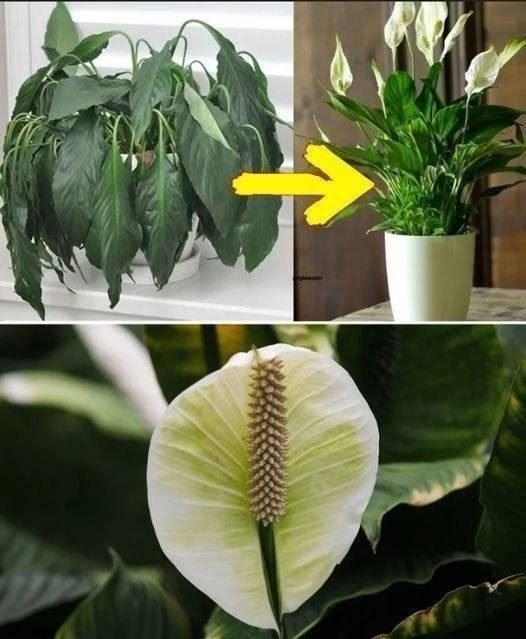
1 TABLESPOON DIRECTLY INTO THE POT AND MY POOR PLANT BLOOMED BEAUTIFULLY AGAIN: HERE’S WHAT I LEARNED
My plant wasn’t looking its best.
The leaves had started to lose their healthy appearance, and the flowers had stopped appearing. Instead of immediately giving it more fertilizer, I took a closer look at what the plant actually needed.
That’s when I learned an important lesson:
A struggling plant doesn’t always need more fertilizer.
Sometimes the problem is watering, light, soil condition, pests, temperature, or even damaged roots.
So before pouring a homemade mixture into the pot, it’s worth identifying what’s actually going wrong.
First, Check the Soil
Before adding anything to the pot, put your finger into the soil.
If it’s still wet several centimeters below the surface, adding more water could make the problem worse.
Constantly saturated soil can reduce the oxygen available to roots and contribute to root problems.
On the other hand, soil that is extremely dry and pulling away from the sides of the pot may indicate that the plant needs a thorough watering.
Different plants have different moisture requirements, so don’t rely on a one-size-fits-all schedule.
Give the Plant the Right Amount of Light
Flowering plants generally need adequate light to produce blooms.
If a plant is sitting in a dark corner, adding fertilizer may not solve the problem.
Move it gradually to a location that provides the amount of light appropriate for its species.
Be careful, though: moving a shade-loving plant directly into intense sunlight can scorch its leaves.
Check for Pests
Before treating the soil, inspect the leaves and stems.
Look underneath leaves for tiny insects, webbing, sticky residue, spots, or other unusual changes.
Common houseplant pests include aphids, spider mites, mealybugs, and scale insects.
If you find pests, the appropriate treatment depends on the pest and the plant.
Be Careful With Homemade Fertilizers
This is where many viral plant-care recipes can go wrong.
Kitchen ingredients such as baking soda, salt, vinegar, leftover cooking liquids, or concentrated food waste can potentially damage plants or alter the soil in undesirable ways.
A mixture that works—or appears to work—for one plant isn’t necessarily safe for another.
More fertilizer does not mean more flowers.
Excess fertilizer can damage roots and cause leaf problems.
If the Plant Actually Needs Fertilizer
Use a fertilizer formulated for the type of plant you’re growing and follow the label directions.
Don’t automatically increase the concentration because the plant isn’t flowering.
Nutrient requirements vary significantly between species.
Some flowering plants benefit from regular feeding during active growth, while others require very little fertilizer.
What About Adding One Tablespoon?
The amount alone doesn’t tell you whether a plant treatment is safe.
One tablespoon of water is obviously different from one tablespoon of concentrated fertilizer, salt, baking soda, vinegar, or another substance.
The concentration, plant species, pot size, soil type, and frequency all matter.
That’s why a viral recipe shouldn’t be copied blindly.
Before putting anything directly into the soil, identify the plant and check whether that ingredient is actually recommended for it.
Don’t Forget the Pot and Drainage
A plant can struggle simply because its container doesn’t drain properly.
Make sure excess water can escape through drainage holes.
If water remains trapped in the bottom of a decorative container, roots may stay excessively wet even when the surface of the soil appears dry.
A well-draining potting mix appropriate for the plant can also make a significant difference.
Remove Dead Flowers
For many flowering plants, removing spent flowers can encourage the plant to redirect energy toward new growth.
This practice is commonly called deadheading.
However, not every plant should be treated the same way, so check the recommended pruning method for your particular species.
Be Patient
One of the biggest mistakes in plant care is changing everything at once.
If you move the plant, repot it, add fertilizer, change the watering schedule, and apply several homemade treatments simultaneously, you won’t know what helped—or what caused additional damage.
Make one appropriate change at a time and give the plant enough time to respond.
THE SIMPLE RECIPE FOR A HEALTHIER FLOWERING PLANT
Instead of relying on a mystery tablespoon mixture, think of plant care as a combination of several basics:
Correct light + appropriate watering + good drainage + suitable soil + pest control + appropriate nutrition.
When those conditions are right, many plants can recover and produce healthy new growth and flowers.
And if a plant isn’t blooming, the solution may have nothing to do with adding something to the soil.
THE BOTTOM LINE
That dramatic “one tablespoon” trick may sound like a miracle, but there is no universal ingredient that will make every struggling plant bloom again.
The right treatment depends on the plant and the reason it’s struggling.
Before adding anything to the pot, check the soil moisture, lighting, drainage, roots, and leaves for signs of pests or disease.
If fertilizer is actually needed, use a product appropriate for the plant and follow its instructions rather than guessing with kitchen ingredients.
Sometimes the best plant-saving trick isn’t a secret recipe at all—it’s giving the plant exactly what it needs.