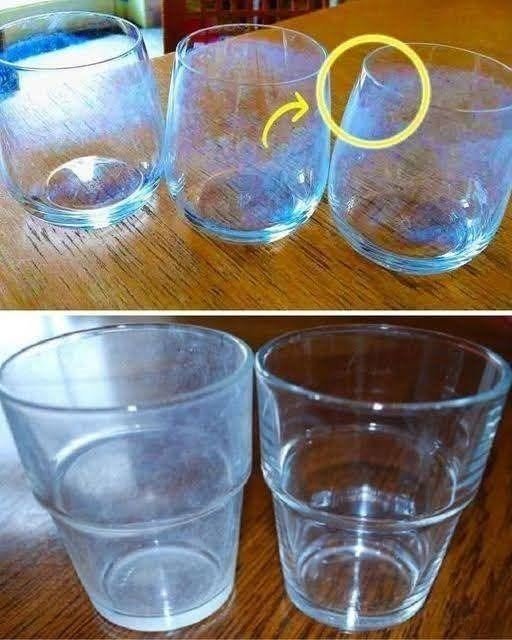
HERE’S HOW TO REMOVE WHITE PATINA FROM GLASSES AND MAKE THEM SHINE WITH A SIMPLE TRICK
If your glasses have developed a cloudy white film, hazy patches, or a dull appearance, don’t assume the lenses are permanently damaged. In many cases, the white residue is caused by dried deposits, oils, dust, or buildup from improper cleaning.
The important thing is to clean your glasses carefully. Lenses often have delicate coatings that can be damaged by abrasive materials, strong chemicals, or excessive heat.
Here is a simple method that can help remove surface buildup while keeping your glasses looking clean and clear.
What You Need
- Lukewarm water
- A small amount of mild dishwashing liquid
- A clean microfiber lens cloth
- A soft, clean towel
- A clean container or sink
Avoid using paper towels, tissues, clothing, or rough fabric because they can leave particles behind or create tiny scratches.
Step 1: Rinse the Glasses
Begin by rinsing the glasses under lukewarm—not hot—water.
This helps loosen dust and other particles sitting on the lenses. Rinsing first is important because wiping a dry lens can drag tiny particles across its surface.
Let the water flow gently over both sides of the lenses and the frame.
Step 2: Add a Tiny Amount of Mild Dish Soap
Place a very small drop of mild dishwashing liquid on your clean fingertips.
Gently spread the soap over both sides of the lenses and along the frame.
Use your fingertips rather than a sponge or brush. There is no need to scrub aggressively.
The purpose of the soap is to break down oils, fingerprints, and other surface deposits that can contribute to a cloudy appearance.
Step 3: Rinse Thoroughly
Rinse the glasses again under lukewarm water.
Make sure all traces of soap have been removed.
Soap residue can itself leave a cloudy film, so thorough rinsing is essential.
Step 4: Dry Them Carefully
Shake off excess water gently.
Then use a clean microfiber cloth specifically intended for lenses to dry the glasses.
Pat or gently wipe rather than applying strong pressure.
A microfiber lens cloth helps remove remaining moisture without the abrasiveness associated with many household fabrics.
Step 5: Give the Lenses a Final Polish
Once the glasses are dry, inspect them under good lighting.
If they still appear slightly cloudy, gently polish them with a fresh, clean microfiber lens cloth.
Use light pressure and small movements.
Do not try to scrape away the white material with a fingernail, blade, card, or other object.
What If the White Patina Doesn’t Disappear?
This is an important point.
If the white or cloudy appearance remains after proper cleaning, the problem may not be ordinary surface residue.
It could be:
- Damage to an anti-reflective coating
- Deterioration of a lens coating
- Mineral deposits that have bonded strongly to the surface
- Scratches or microscopic surface damage
- Aging or chemical damage to the lens material
In these situations, repeatedly cleaning or polishing the lenses may make the problem worse.
A professional optician can examine the lenses and determine whether the coating has been damaged.
Avoid These Popular Cleaning Mistakes
Some household “cleaning hacks” can actually damage modern eyewear.
Avoid abrasive powders, baking soda scrubs, toothpaste, rough sponges, strong household cleaners, window-cleaning products, acetone, and other aggressive chemicals.
You should also avoid very hot water because excessive heat can damage certain lens coatings or affect frames.
Never use a rough paper towel or dirty cloth to polish the lenses.
The goal is not to scrub the glasses until they shine. The goal is to remove contamination without damaging the lens surface.
The Simple Trick That Makes the Biggest Difference
The most useful trick isn’t a harsh homemade polishing compound.
It’s this simple combination:
Lukewarm water → mild dish soap → thorough rinse → clean microfiber cloth.
This method removes many common causes of cloudy, greasy, or dull-looking glasses while minimizing unnecessary friction.
If your glasses become cloudy again shortly after cleaning, wash the microfiber cloth regularly as well. A cloth loaded with oil and dirt can simply transfer residue back onto the lenses.
Keep Your Glasses Clear Longer
Cleaning your glasses properly can help maintain their appearance and make them easier to see through.
Store them in a protective case when you’re not wearing them, and avoid placing the lenses directly on hard surfaces.
When cleaning, always rinse away dust and grit before wiping.
Most importantly, remember that not every white haze is removable residue. If the appearance remains after gentle cleaning, the lens coating itself may be affected, and professional inspection is safer than experimenting with increasingly aggressive cleaning methods.
A little care can keep your glasses looking cleaner and clearer without risking unnecessary damage to the lenses.