Brittle or Fragile Nails: What Your Body May Be Trying to Tell You
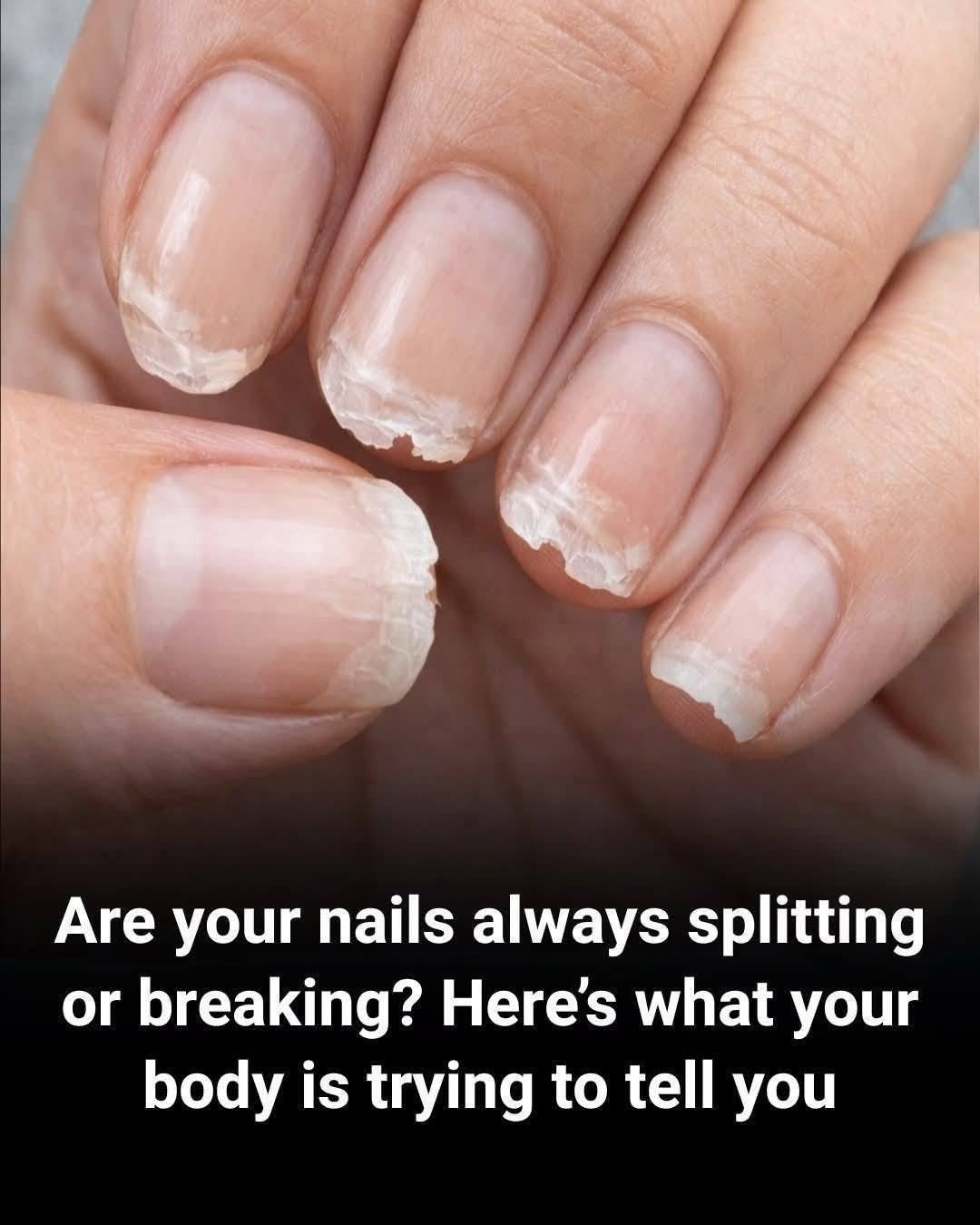
Brittle, splitting, peeling, or easily broken nails are very common and often have a simple explanation—such as repeated exposure to water, detergents, nail polish remover, or physical trauma. But changes in the nails can sometimes accompany nutritional deficiencies, skin disorders, hormonal problems, or other medical conditions.
The important point is that nails rarely identify a specific disease by themselves. Their appearance needs to be considered alongside your symptoms, diet, medications, lifestyle, and overall health.
What does “brittle nails” actually mean?
Brittle nails may:
- Split or peel into layers
- Crack at the edges
- Break unusually easily
- Become thin or soft
- Develop longitudinal ridges
- Feel rough or dry
- Chip during ordinary activities
A common medical term is onychorrhexis, referring particularly to longitudinal splitting or ridging of the nail.
1. The most common cause: everyday nail damage
Your nails are repeatedly exposed to things that can dry or weaken them.
Frequent water exposure
Repeatedly getting your hands wet and then allowing them to dry can weaken the nail structure over time.
This is especially common among people who:
- Wash their hands frequently
- Wash dishes
- Work with water
- Clean removers can be particularly drying, while repeated gel or artificial professionally
- Swim frequently
The problem isn’t simply “too much water.” Repeated wetting and drying can make nails more susceptible to splitting and peeling.
Cleaning chemicals
Detergents, solvents, disinfectants, and other chemicals can irritate the surrounding skin and contribute to nail damage.
Wearing appropriate protective gloves for prolonged wet or chemical work can help.
Nail cosmetics
Frequent use of:
- Nail polish remover
- Gel manicures
- Acrylic nails
- Nail extensions
- Aggressive buffing
- Cuticle manipulation
can contribute to fragile nails.
Acetone-containing removers can be particularly drying, while repeated gel or artificial-nail procedures can cause mechanical or chemical damage.
2. Could brittle nails mean a nutritional deficiency?
Sometimes—but don’t automatically assume that a deficiency is responsible.
Nails require adequate protein and nutrients to grow normally. Severe nutritional deficiencies can affect nail appearance.
Potential contributors include deficiencies of:
- Iron
- Zinc
- Protein
- Certain vitamins
Iron deficiency
Iron deficiency is one of the nutritional problems that can be associated with nail abnormalities.
A classic change is koilonychia, in which the nails become unusually thin and may develop a spoon-like depression.
Iron deficiency may also cause:
- Fatigue
- Weakness
- Pale skin
- Headaches
- Shortness of breath with exertion
- Dizziness
- Reduced exercise tolerance
If brittle nails occur alongside these symptoms, discussing a complete blood count and iron/ferritin testing with a clinician may be appropriate.
Biotin
Biotin is often marketed as the “nail vitamin.”
However, true biotin deficiency is uncommon, and taking large amounts of biotin isn’t automatically the answer to brittle nails.
Biotin supplements may help in certain situations, but evidence for routine high-dose supplementation in otherwise healthy people with brittle nails is limited.
An important practical issue: high-dose biotin can interfere with some laboratory tests, potentially producing misleading results. Tell your healthcare professional about biotin supplements before blood testing.
3. Thyroid problems can sometimes affect nails
Both an underactive and an overactive thyroid can be associated with changes in the hair, skin, and nails.
For example, hypothyroidism may be associated with:
- Dry skin
- Dry or coarse hair
- Hair thinning
- Brittle nails
- Fatigue
- Feeling unusually cold
- Constipation
- Weight changes
These symptoms are nonspecific, however. Brittle nails alone do not mean you have a thyroid disorder.
If several symptoms occur together, a clinician may consider thyroid-function testing.
4. Skin conditions can affect the nails
Nail changes can occur with dermatological conditions such as:
Psoriasis
Nail psoriasis can cause:
- Tiny pits in the nails
- Separation of the nail from the nail bed
- Thickening
- Discoloration
- Crumbling
- Irregular nail surfaces
Some people have nail psoriasis even when their skin symptoms are mild.
Eczema and dermatitis
Chronic inflammation around the fingers can interfere with normal nail growth.
Fungal nail infection
A fungal infection often causes nails to become:
- Thick
- Yellowish or brownish
- Brittle
- Crumbly
- Distorted
It can affect one nail or several nails.
Because fungal nails can resemble other nail disorders, it’s better to have an uncertain diagnosis confirmed rather than repeatedly treating them with antifungal products without knowing the cause.
5. Aging naturally changes nails
As we get older, nails commonly become:
- Thinner
- Drier
- More ridged
- More fragile
- Slower-growing
Longitudinal ridges—lines running from the base toward the tip—can become more noticeable with age and are often harmless when they’re otherwise uniform.
A new, prominent, irregular change in a single nail, however, deserves assessment.
6. Dehydration: a common misconception
People frequently hear that brittle nails are caused by dehydration.
Ordinary mild dehydration is not a major explanation for persistent brittle nails.
Your nails can certainly become dry from environmental exposure and repeated contact with water and chemicals, but drinking excessive amounts of water isn’t a reliable treatment.
Focus instead on:
- Adequate everyday fluid intake
- Moisturizing the hands and nails
- Reducing chemical exposure
- Protecting your hands during wet work
7. Stress and illness can show up in nails—but differently
Major physical stress, high fever, serious illness, surgery, or significant nutritional stress can temporarily disrupt nail growth.
Sometimes this produces horizontal grooves across the nail called Beau’s lines.
The groove may correspond to a period when nail growth was temporarily interrupted.
Because fingernails grow slowly, the abnormality may become visible weeks or months after the original illness.
So a nail change doesn’t necessarily mean something is happening in your body right now.
8. Medications and medical treatments
Certain medications and medical treatments can affect nail growth or appearance.
This can happen with some:
- Chemotherapy drugs
- Retinoid medications
- Certain antibiotics
- Other systemic medications
If your nails changed soon after starting a medication, don’t stop the medication yourself. Discuss the change with your doctor or pharmacist.
9. When brittle nails deserve medical attention
Consider seeing a healthcare professional if the changes are:
- Persistent or progressively worsening
- Severe enough to interfere brown or black vertical band—especially one that is widening, irregular, or new or changing streak shouldn’t be ordinary brittle nails, simple nail care with daily activities
- Affecting many nails without an obvious cause
- Associated with significant fatigue or weakness
- Accompanied by hair loss or major skin changes
- Associated with unexplained weight changes
- Associated with swelling or other systemic symptoms
- Causing pain, inflammation, or recurrent infections
A doctor may examine your nails and, depending on your symptoms, consider tests such as a CBC, ferritin/iron studies, or thyroid tests.
Testing should be guided by your symptoms rather than ordering a huge panel of vitamins simply because your nails are brittle.
10. Nail changes that shouldn’t be ignored
Some nail findings deserve particular attention.
A dark streak in one nail
A new brown or black vertical band—especially one that is widening, irregular, or extending onto the surrounding skin—should be evaluated by a dermatologist.
Rarely, this can be a sign of subungual melanoma, a form of skin cancer affecting the nail unit.
Most dark nail marks are not melanoma, but a suspicious new or changing streak shouldn’t be dismissed as a vitamin deficiency.
A nail that suddenly separates
Nail separation can result from trauma, fungal infection, psoriasis, thyroid disease, or other causes. Persistent or unexplained separation should be evaluated.
Pain, swelling, pus, or redness
These can indicate infection or inflammation and may require treatment.
11. What you can do at home
For ordinary brittle nails, simple nail care can make a substantial difference.
- Keep nails reasonably short to reduce mechanical stress.
- Moisturize your hands and nails regularly, particularly after washing.
- Wear protective gloves when doing prolonged wet work or handling cleaning chemicals.
- Avoid biting or picking at the nails.
- Don’t aggressively cut or push back the cuticles.
- Limit frequent gel, acrylic, or artificial-nail applications if your nails are damaged.
- Give damaged nails time to grow out.
- Use gentle nail files rather than repeatedly tearing or peeling split nails.
- Maintain a balanced diet containing adequate protein, iron, zinc, and other nutrients.
Don’t immediately reach for supplements
If you suddenly develop brittle nails, it’s tempting to buy a “hair, skin and nails” supplement.
But supplements aren’t automatically harmless or necessary. Taking excessive amounts of certain nutrients can cause problems, and some supplements can interfere with medical tests.
It’s better to identify a deficiency before treating one.
A simple way to interpret brittle nails
| Nail finding | Possible explanation |
|---|---|
| Peeling/splitting of several nails | Water/chemical exposure, nail trauma, dryness |
| Brittle nails + fatigue/pallor | Consider iron deficiency or anemia |
| Brittle nails + cold intolerance/constipation | Consider thyroid problems |
| Thick, yellow, crumbly nail | Possible fungal infection |
| Pits + nail separation | Possible psoriasis |
| Horizontal grooves | Previous illness, fever, trauma, or growth interruption |
| Thin spoon-shaped nails | Possible iron deficiency; needs evaluation |
| New dark streak in one nail | Needs assessment, particularly if changing |
| Sudden painful/red/swollen nail | Infection or inflammation possible |
The big picture
Brittle nails are usually a clue to local nail damage rather than a sign that something is seriously wrong inside the body. Repeated water exposure, detergents, nail treatments, trauma, aging, and dry skin are among the most common explanations.
However, persistent brittle nails combined with fatigue, pallor, hair/skin changes, weight changes, menstrual blood loss, digestive problems, or other unexplained symptoms can justify checking for an underlying condition such as iron deficiency or thyroid disease.
And remember: the pattern matters more than the word “brittle.” A dermatologist or physician can often learn a lot from the exact shape, color, texture, and distribution of the nail changes.