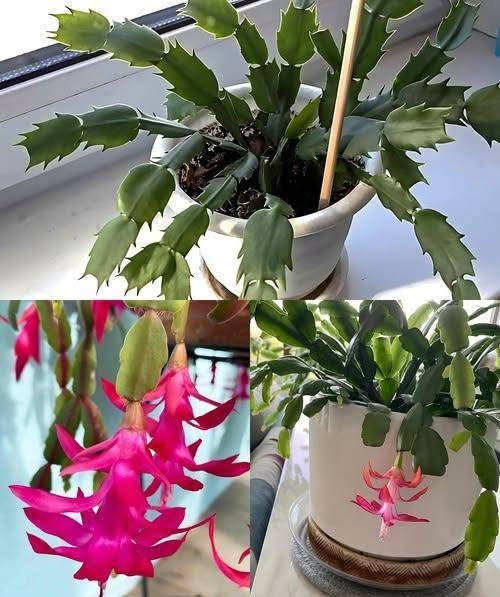
The Special Treatment That Helps a Christmas Cactus Produce More Buds
A Christmas cactus doesn’t need a mysterious medicine to suddenly come back to life. If the plant is healthy but refusing to bloom, the biggest factors are light, temperature, watering, and a natural period of longer nights.
Give It the Right Light
Place the Christmas cactus somewhere with bright, indirect light during the day. Strong, direct afternoon sunlight can scorch the segments, while very little light can reduce flowering.
The Key to Getting Buds
Several weeks before you want flowers, give the plant a consistent period of long, uninterrupted darkness at night. Around 12–14 hours of darkness each night can help encourage bud formation.
Keep the plant away from bright lamps, televisions, or other lights during its nighttime period.
Keep Temperatures Slightly Cooler
Cooler nighttime temperatures can also encourage flowering. A consistent environment with cooler nights is generally more helpful than constantly moving the plant from one location to another.
Don’t Overwater
Water when the upper portion of the potting mix has dried rather than keeping the soil constantly wet. Make sure the pot has drainage holes so excess water can escape.
Overwatering can damage the roots and leave the plant struggling instead of producing flowers.
What About “Special Medicines”?
There is no household ingredient that can instantly make a dormant Christmas cactus bloom. A balanced houseplant fertilizer, used according to its label during the plant’s active growth period, can support healthy growth, but fertilizer alone won’t force flowers.
Once buds appear, avoid major changes in temperature, lighting, or watering. Sudden environmental changes can cause developing buds to drop.
The Bottom Line
The best “medicine” for a Christmas cactus is usually proper care rather than a secret ingredient: bright indirect light, appropriate watering, good drainage, and several weeks of long, dark nights can create the conditions needed for beautiful blooms.
