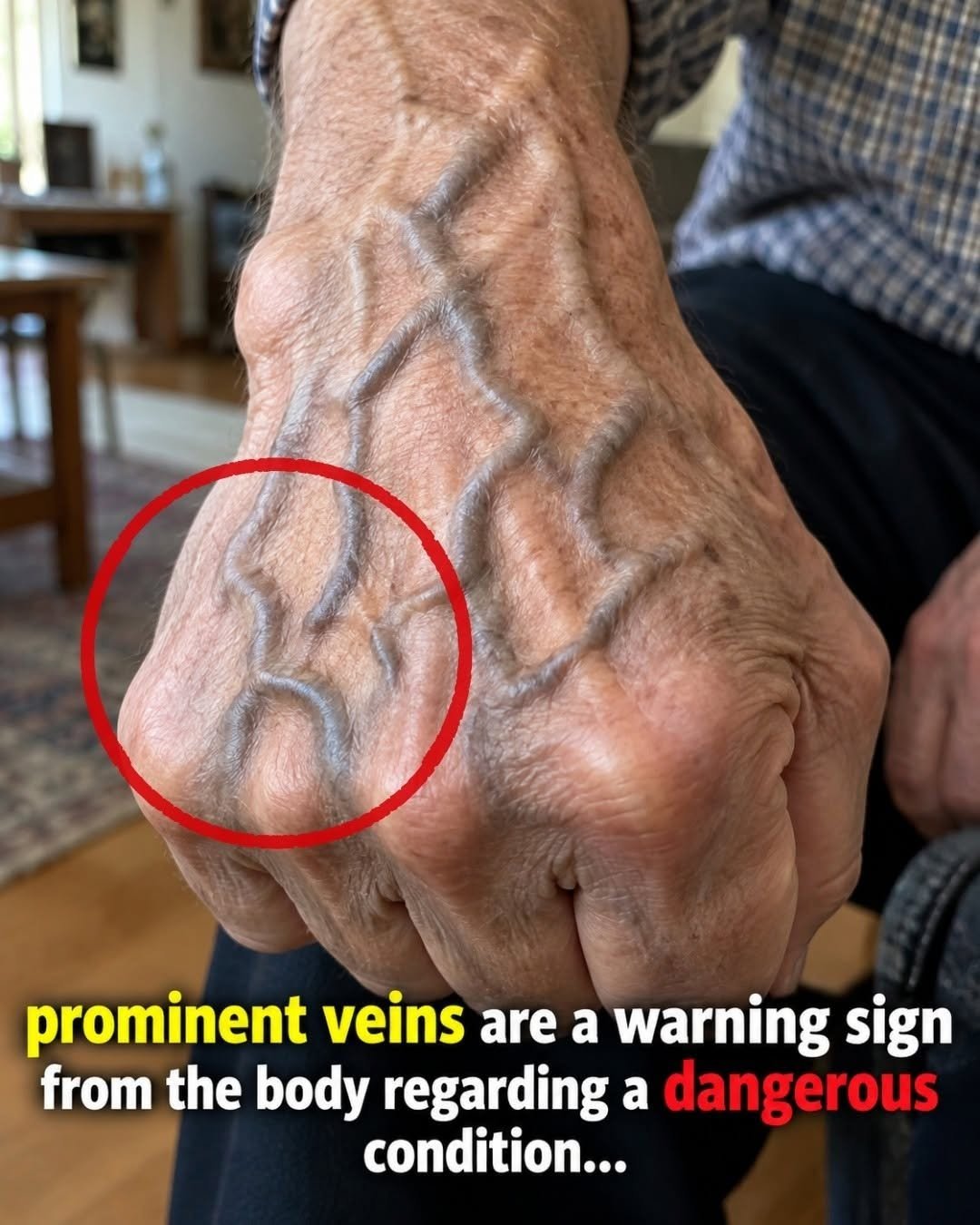
Prominent Veins After 65: When Are They a Warning Sign?
Seeing veins become more noticeable on the hands, arms, legs, or feet is common as people get older. Prominent veins do not automatically mean that a dangerous condition is developing. In many cases, they are simply more visible because the skin becomes thinner and loses some of its underlying fat with age.
However, a sudden change in the appearance of a vein—especially when accompanied by pain, swelling, redness, or warmth—should not be ignored.
Why Do Veins Become More Visible With Age?
Several normal changes can make veins easier to see.
As skin becomes thinner with age, the veins underneath can become more noticeable. Loss of subcutaneous fat can also reduce the layer between the skin and veins.
Exercise, warm temperatures, dehydration, and having the arms or legs in certain positions can temporarily make veins appear more prominent as well.
When Prominent Leg Veins May Need Attention
Enlarged, twisted, or bulging veins in the legs can sometimes be varicose veins. They may cause aching, heaviness, itching, swelling, or discomfort, particularly after standing for long periods.
Varicose veins aren’t necessarily dangerous, but significant symptoms should be discussed with a healthcare professional.
Warning Signs That Are More Concerning
Seek prompt medical attention if a noticeable vein is accompanied by:
- Sudden swelling of one arm or leg
- Significant pain or tenderness
- Redness or warmth over the affected area
- A vein that suddenly becomes hard or painful
- Unexplained skin color changes
- A wound on the leg that isn’t healing
These symptoms can have several causes, including inflammation or problems with circulation, and shouldn’t be diagnosed from appearance alone.
When It Is an Emergency
Sudden swelling or pain in a limb accompanied by shortness of breath, chest pain, coughing up blood, fainting, or severe difficulty breathing requires emergency medical attention.
These symptoms can occur with serious blood-clot complications and should not be treated at home.
What You Can Do
If prominent veins have gradually appeared without pain, swelling, or other symptoms, they may simply be part of normal aging. Staying active, avoiding prolonged periods of sitting or standing when possible, and maintaining good general health can support circulation.
If the veins have changed noticeably or you are concerned about new symptoms, a healthcare professional can examine the area and determine whether further testing is appropriate.
The Bottom Line
Visible veins after 65 are not, by themselves, a reliable warning sign of a dangerous condition. Age-related skin and tissue changes commonly make veins more noticeable. What matters more is a sudden change or the presence of symptoms such as swelling, pain, redness, warmth, or breathing difficulties.
