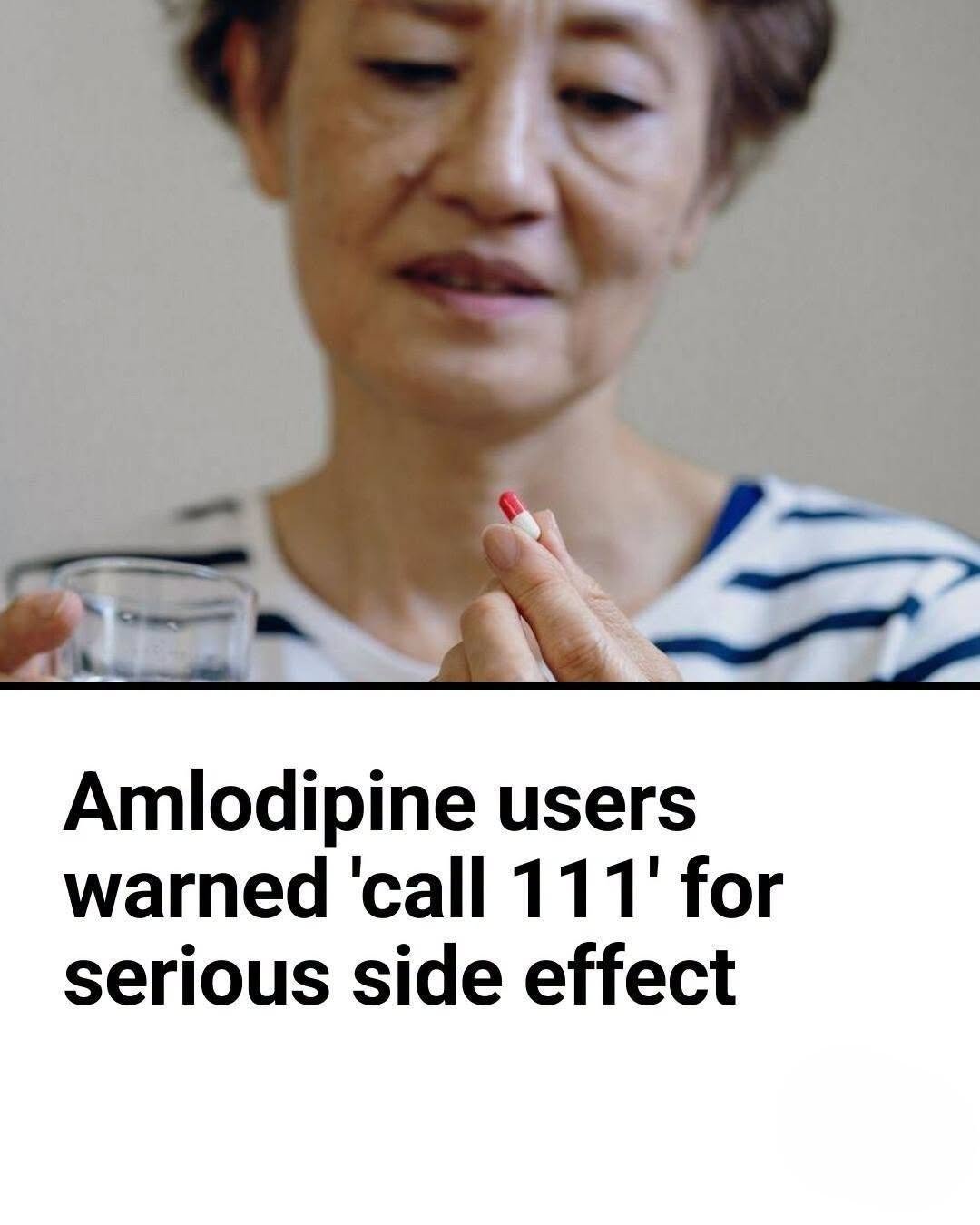
Amlodipine Users Warned: When a Side Effect Means You Should Call 111
Amlodipine is commonly prescribed for high blood pressure and angina, and most people tolerate it well. However, the NHS advises people taking amlodipine to seek urgent advice from NHS 111 if they think they’re experiencing a serious side effect. nhs.uk
The Serious Symptoms to Know
Rare but serious reactions to amlodipine include:
- Swelling of the throat or tongue, particularly if accompanied by difficulty breathing or swallowing.
- A severe allergic reaction, potentially involving a raised, itchy rash, facial or mouth swelling, or breathing difficulties.
- Sudden, severe abdominal pain that doesn’t go away, which can be a sign of acute pancreatitis.
- Severe skin reactions, including painful sores, blistering, or skin peeling, particularly when accompanied by flu-like symptoms. nhs.uk
The NHS also notes that although very rare, amlodipine can cause a heart attack. New or severe chest pain should therefore never simply be assumed to be a medication side effect. nhs.uk
What About Swollen Ankles?
Swelling of the ankles, feet, or legs is actually a common side effect of amlodipine, rather than necessarily an emergency.
Amlodipine widens blood vessels, and this can allow fluid to accumulate in tissues around the ankles. The NHS Specialist Pharmacy Service notes that calcium-channel-blocker-related ankle swelling is generally not clinically serious, although it can become troublesome. SPS – Specialist Pharmacy Service
If swelling is persistent or bothersome, speak with your doctor or pharmacist. Don’t stop amlodipine yourself, because suddenly stopping treatment can be dangerous. nhs.uk
When It’s an Emergency
If you develop severe difficulty breathing, throat swelling, blue/grey or very pale skin, severe confusion, or collapse, call 999 rather than 111 because these can be signs of a life-threatening allergic reaction. nhs.uk+1
For people in England, NHS 111 provides urgent medical advice when you need help but the situation isn’t clearly life-threatening. nhs.uk
Don’t Stop the Medication Without Advice
Amlodipine is often taken long-term to control blood pressure or prevent angina. If you experience an unwanted effect, contact a pharmacist or doctor for advice rather than simply abandoning the medication. nhs.uk
Final Takeaway
The “call 111” warning isn’t because ordinary amlodipine side effects are usually dangerous. Headache, dizziness, flushing, tiredness, nausea, and ankle swelling are recognized common effects. The concern is a small number of rare but potentially serious reactions, especially severe allergic reactions, serious skin reactions, or severe persistent abdominal pain. nhs.uk
If you’re currently experiencing a particular symptom while taking amlodipine, tell me what it is and I can explain whether it is a common side effect, something that needs a doctor/pharmacist review, or an emergency warning sign.