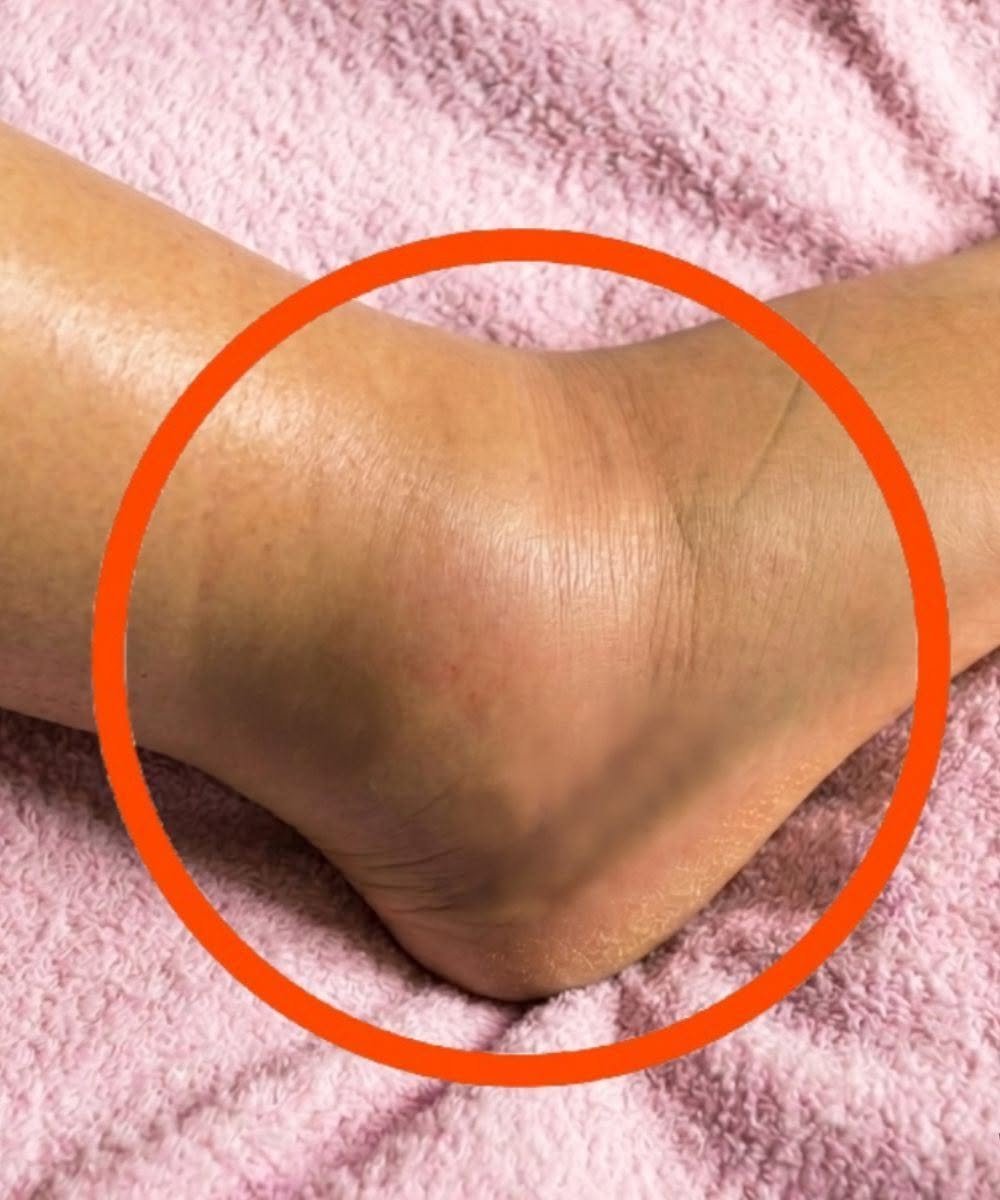
If You Notice Your Legs Are Swollen, It Could Be a Sign of Several Conditions
Swollen legs or ankles are often caused by fluid buildup (edema). Sometimes the cause is harmless and temporary, such as sitting or standing for a long time. But persistent or sudden swelling can also signal an underlying medical problem.
1. Heart Problems
Swelling in both legs can occur when the heart isn’t pumping blood effectively. Pressure can build up in the veins, causing fluid to move into surrounding tissues.
Heart-related swelling may occur alongside shortness of breath, unusual fatigue, difficulty lying flat, or rapid weight gain from fluid.
New or worsening swelling accompanied by significant breathing difficulty or chest pain requires urgent medical attention.
2. Kidney Problems
The kidneys help regulate fluid and salt levels in the body.
When kidney function is impaired, the body may retain excess fluid, potentially causing swelling in the feet, ankles, and legs. Some people may also notice swelling around the eyes or changes in urination.
Persistent unexplained edema should be evaluated rather than assuming it’s simply a circulation problem.
3. Liver Disease
Certain liver conditions can contribute to fluid accumulation in the legs and abdomen.
Other possible clues include abdominal swelling, jaundice (yellowing of the skin or eyes), easy bruising, or significant fatigue.
4. Vein Problems
Chronic venous insufficiency occurs when the veins in the legs have difficulty returning blood toward the heart.
Swelling may become worse after standing for long periods and improve after elevating the legs. Some people also develop varicose veins, aching, heaviness, or skin changes around the ankles.
5. A Blood Clot
A deep-vein thrombosis (DVT) can cause swelling, usually affecting one leg.
Warning signs can include sudden swelling, pain or tenderness, warmth, and redness or discoloration.
A suspected DVT requires prompt medical evaluation because a clot can travel to the lungs and cause a potentially life-threatening pulmonary embolism.
6. Medications
Several medications can cause or contribute to leg swelling.
Examples include some blood-pressure medicines, corticosteroids, anti-inflammatory drugs, and certain diabetes medications.
If swelling started after beginning a new medicine or increasing a dose, tell your doctor or pharmacist. Don’t stop a prescription medication on your own.
7. Sitting or Standing for Too Long
Long periods of sitting—such as during travel—or standing can cause temporary swelling because fluid collects in the lower legs.
Gentle movement, walking, and elevating the legs can often help.
When Swollen Legs Need Urgent Attention
Seek emergency medical care if leg swelling occurs with:
- Sudden shortness of breath
- Chest pain
- Coughing up blood
- Fainting or severe dizziness
- Sudden swelling and pain in one leg
These symptoms can indicate a blood clot or another serious cardiovascular or respiratory problem.
What You Can Do
For mild swelling without alarming symptoms, simple measures may help:
- Move around regularly rather than sitting for prolonged periods.
- Elevate your legs when resting.
- Reduce excessive dietary sodium.
- Stay appropriately hydrated.
- Discuss compression stockings with a healthcare professional if vein problems are suspected.
If swelling is persistent, worsening, unexplained, or repeatedly returning, arrange a medical evaluation. The underlying cause matters more than simply trying to make the swelling disappear.
Final Takeaway
Swollen legs are not automatically a sign of cancer or heart failure, despite alarming claims often seen online. They can result from prolonged sitting, vein problems, medications, heart or kidney disease, liver disease, or a blood clot.
The pattern matters: both legs vs. one leg, sudden vs. gradual onset, and the presence of other symptoms can provide important clues about the cause.