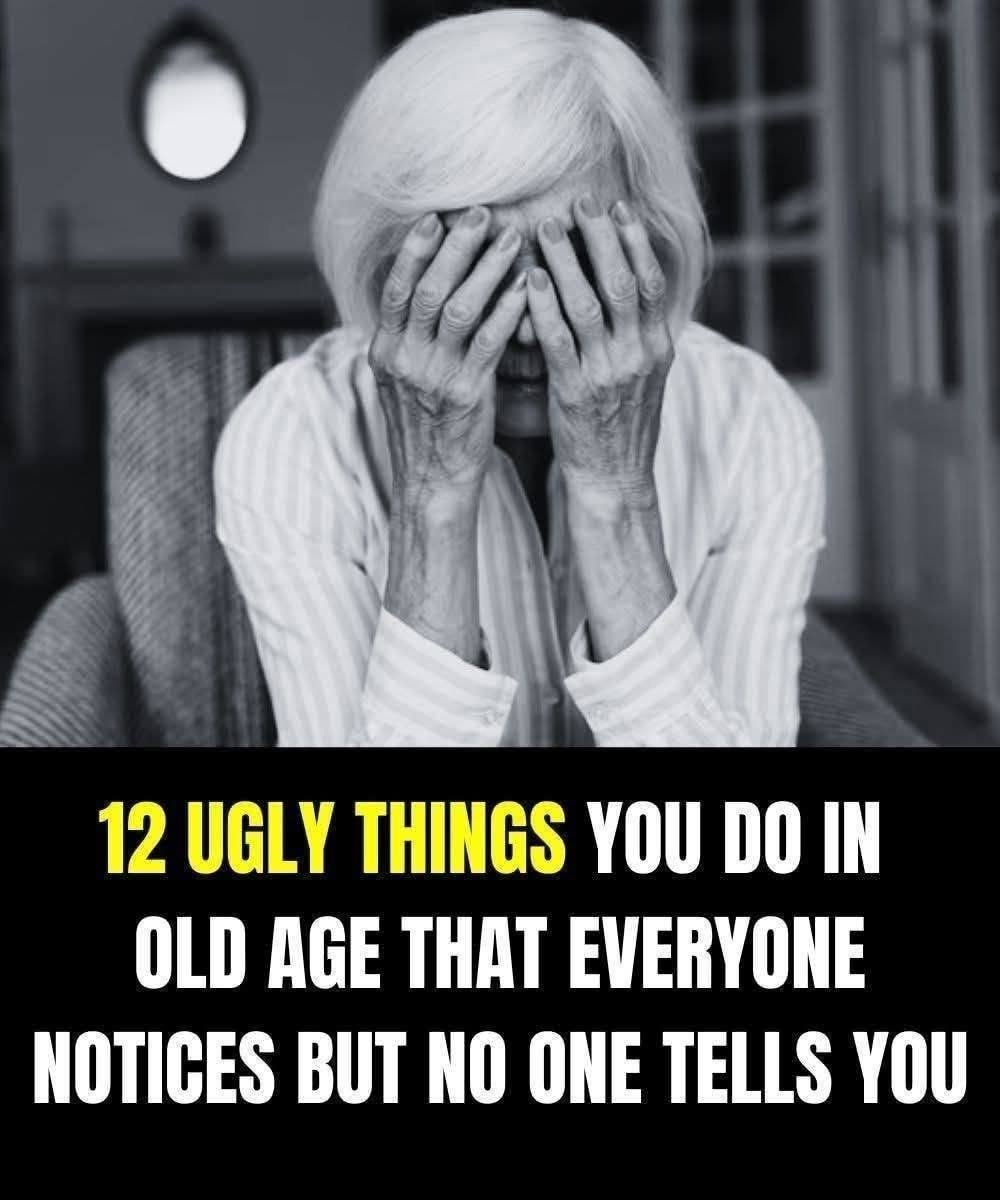
Unpleasant Habits in Old Age That Can Make People Uncomfortable — But Nobody Talks About Them
Getting older is a normal part of life, but some physical and behavioral changes can be embarrassing or uncomfortable. Talking about them openly can make it easier to manage them with dignity.
1. Stronger Body Odor
Body odor can change with age because of changes in skin oils, sweating, medications, hygiene, and medical conditions. Older adults may also have difficulty bathing or changing clothes independently.
What can help: Regular washing, clean clothing, dental care, adequate hydration, and checking with a doctor if there is a sudden or unusual change in odor.
2. Bad Breath
Dry mouth, dental problems, gum disease, dentures, and certain medications can contribute to persistent bad breath.
What can help: Brush twice daily, clean dentures properly, drink enough fluids, and maintain regular dental checkups.
3. More Frequent Gas
Digestive changes, constipation, food intolerance, and some medications can increase gas or bloating.
It’s common, but new or persistent excessive gas accompanied by weight loss, blood in the stool, severe pain, or major changes in bowel habits should be medically evaluated.
4. Accidental Urine Leakage
Urinary incontinence becomes more common with age, but it isn’t something a person simply has to accept without help.
Pelvic-floor exercises, bladder training, medication review, and treatment of underlying conditions can sometimes improve symptoms.
5. Constipation
Reduced activity, inadequate fluid intake, dietary changes, and certain medications can contribute to constipation.
Regular movement, sufficient fiber and fluids, and reviewing constipation-causing medicines with a healthcare professional can help.
Don’t ignore: constipation accompanied by severe abdominal pain, vomiting, blood in the stool, or unexplained weight loss requires medical attention.
6. Drooling or Difficulty Controlling Saliva
Changes in swallowing, dental problems, medications, or neurological conditions can sometimes lead to drooling.
If this is a new change, particularly when accompanied by difficulty swallowing, slurred speech, facial weakness, or sudden weakness, medical assessment is important.
7. Repeating Stories or Questions
Some older adults repeat themselves occasionally because of normal changes in memory or attention. However, frequent repetition that interferes with everyday life can be a sign of cognitive impairment and deserves evaluation.
It is better to approach the person with patience and respect rather than embarrassment or criticism.
8. Speaking More Loudly
Hearing loss is extremely common with aging. Someone who doesn’t hear others clearly may unknowingly speak louder or ask people to repeat themselves.
A hearing assessment can determine whether hearing loss is contributing.
9. Neglecting Personal Grooming
Difficulty bathing, dressing, brushing teeth, or maintaining a home can sometimes result from reduced mobility, vision problems, depression, cognitive changes, or simply needing additional assistance.
Instead of shaming someone, look for why the task has become difficult and find practical support.
10. Changes in Sexuality and Intimacy
Older adults can continue to have sexual feelings and relationships. Changes in hormones, medications, circulation, and physical health may affect sexual function, but aging doesn’t automatically eliminate intimacy.
This is a normal topic to discuss privately with a healthcare professional when problems occur.
11. Becoming More Socially Withdrawn
An older person may gradually stop going out or talking with others because of hearing difficulties, mobility limitations, grief, depression, anxiety, or fear of falling.
Persistent withdrawal can be a reason to check in rather than simply assuming they “prefer to be alone.”
The Most Important Thing
Many changes associated with aging are manageable health issues—not embarrassing personal failures. Treating an older person’s dignity as seriously as their physical health can make a huge difference.
And if a behavior or bodily change is new, sudden, severe, or getting progressively worse, it’s worth discussing with a healthcare professional rather than assuming it’s simply part of getting older.
