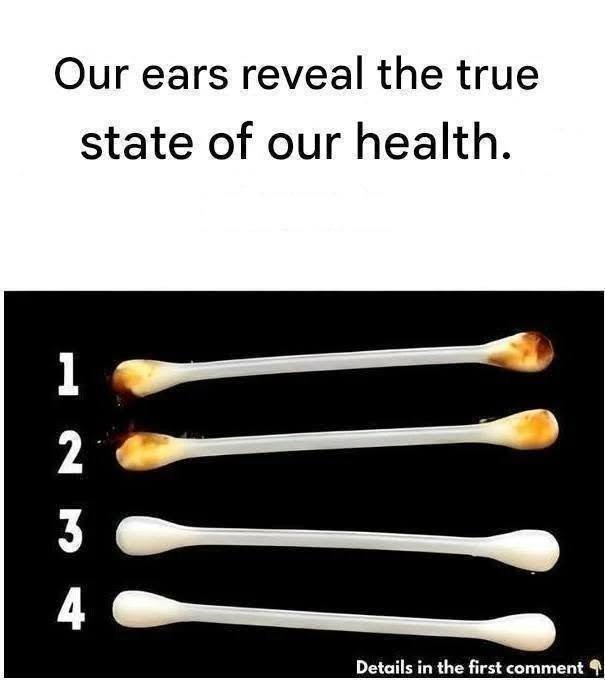
Absolutely!
Our ears can sometimes provide clues about our overall health, although they can’t diagnose a disease on their own. Changes in the ear, hearing, balance, or the skin around the ear can
occasionally signal that something deserves medical attention.
Did You Know Your Ears Can Tell You a Lot About Your Health?
Your ears do more than help you hear. They also play an important role in balance, and certain changes involving the ears can be associated with other health conditions.
1. Ringing in the Ears
A persistent ringing, buzzing, or hissing sound is known as tinnitus. It can be related to hearing loss, exposure to loud noise, certain medications, earwax buildup, or other conditions.
If it is persistent, especially if it affects only one ear, it’s worth getting checked.
2. Sudden Hearing Loss
A sudden decrease in hearing—particularly in one ear—should not be ignored. Sudden sensorineural hearing loss can require urgent medical assessment, because treatment may be time-sensitive.
3. Earwax Buildup
Earwax is normal and actually protects the ear canal. However, excessive buildup can cause:
-
Muffled hearing
-
Ear fullness
-
Ringing
-
Occasionally discomfort
Avoid putting cotton swabs or other objects deep into the ear canal, as this can push wax farther inside or injure the ear.
4. Dizziness or Balance Problems
Because the inner ear contains structures involved in balance, certain inner-ear problems can cause vertigo, dizziness, nausea, or difficulty walking steadily.
These symptoms can also have causes unrelated to the ear, so persistent or severe dizziness deserves medical evaluation.
5. Ear Pain or Discharge
Pain, swelling, or fluid/pus coming from the ear may indicate an infection or another ear problem.
Bloody discharge, severe pain, or discharge following a head injury should be assessed promptly.
6. Changes Around the Ear
The skin around the ear can develop common conditions such as eczema, psoriasis, infections, or sun-related skin damage. A new or changing growth, sore that doesn’t heal, or bleeding spot should be examined by a healthcare professional.
7. Your Ears Aren’t a Disease Detector
You may see claims online that a particular ear shape, crease, or color proves that someone has heart disease, diabetes, or another condition. These claims are often exaggerated.
For example, an earlobe crease has been studied in relation to cardiovascular disease, but having one does not mean a person has heart disease, and it should not be used as a diagnosis.
The Takeaway
Your ears can provide useful clues, particularly through changes in hearing, balance, pain, discharge, or the skin. But they can’t replace proper medical testing.
If you experience sudden hearing loss, severe dizziness, significant ear pain, or unexplained ear discharge, seek medical advice rather than trying to diagnose the cause from the appearance of your ears.
