What Is the Normal Blood Pressure for Each Age? 🩺
Blood pressure changes throughout life, but there is not one specific “normal” blood-pressure number for every age. For adults, blood-pressure categories are generally based on the measurement itself rather than a separate target for each decade.
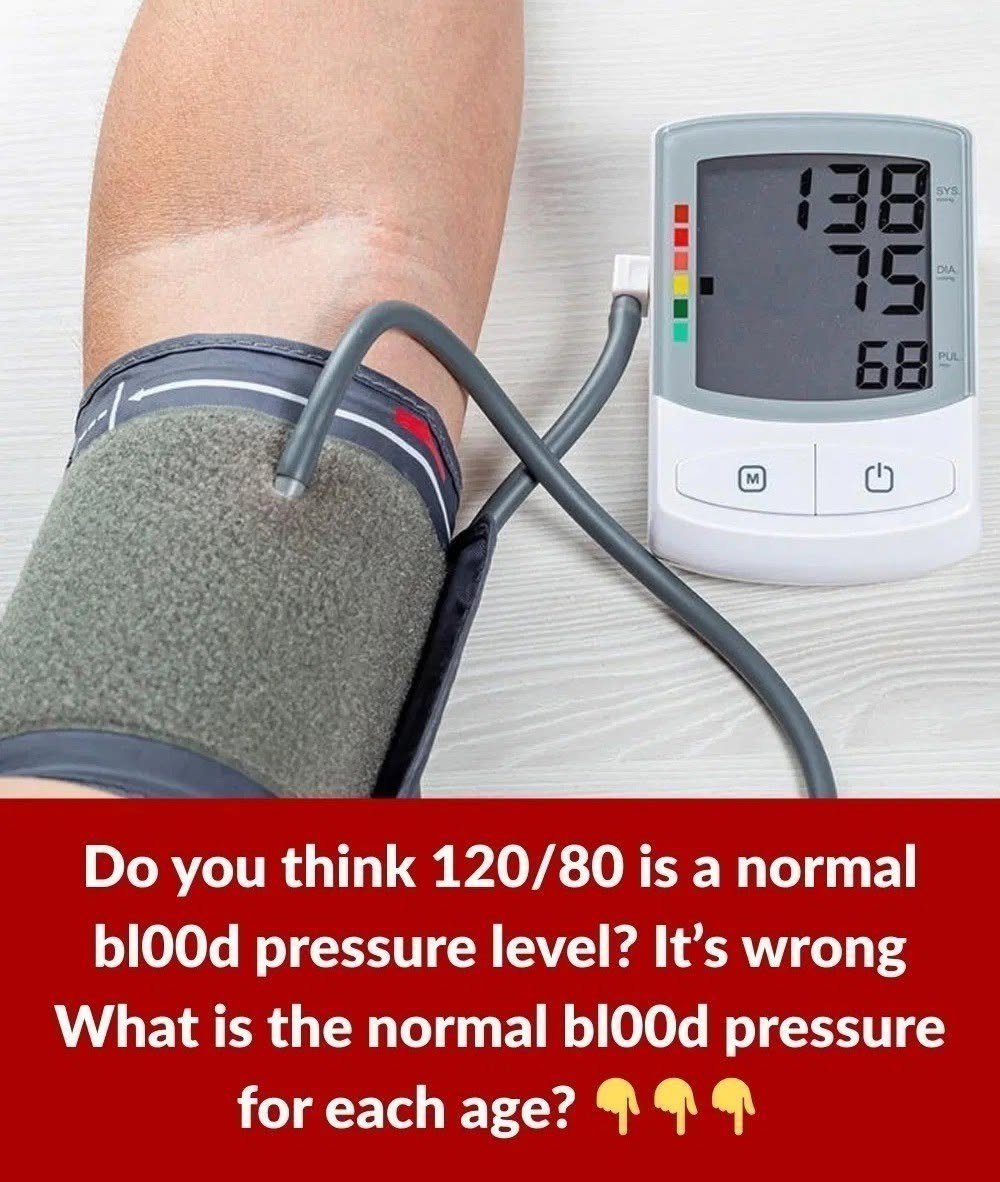
A reading is written as systolic/diastolic, such as 120/80 mmHg.
👶 Children
Children’s blood pressure is interpreted differently from adults. A healthy value depends on age, sex, and height, so pediatric clinicians use age- and height-specific reference tables.
A reading that is normal for a young child may not be normal for an older child.
🧑 Adults
For adults, commonly used categories are:
| Blood Pressure | Systolic | Diastolic |
|---|---|---|
| 🟢 Normal | <120 | <80 |
| 🟡 Elevated | 120–129 | <80 |
| 🟠 High BP — Stage 1 | 130–139 | 80–89 |
| 🔴 High BP — Stage 2 | ≥140 | ≥90 |
| 🚨 Severely high | >180 | and/or >120 |
If the top and bottom numbers fall into different categories, the higher category generally determines the classification.
👴 What About People Over 60, 70, or 80?
High blood pressure doesn’t automatically become “normal” with age.
For example, 150/90 mmHg is not considered normal simply because someone is 70 or 80. However, an individual’s treatment target may be personalized based on their overall health, other medical conditions, medications, frailty, and risk of cardiovascular disease.
That’s why older adults shouldn’t try to lower their blood pressure to a particular number without discussing their target with their healthcare professional.
❤️ What Do the Two Numbers Mean?
Systolic — Top Number
The pressure in the arteries when your heart contracts.
Diastolic — Bottom Number
The pressure in the arteries between heartbeats, when the heart relaxes.
Both numbers are important.
📏 How to Get an Accurate Reading
For home monitoring:
-
Avoid caffeine, smoking, and exercise for about 30 minutes beforehand.
-
Empty your bladder.
-
Sit quietly for at least 5 minutes.
-
Keep your back supported and both feet flat on the floor.
-
Rest your arm on a table at approximately heart level.
-
Use the correct-size upper-arm cuff.
-
Take two readings about one minute apart and record them.
A single high reading doesn’t necessarily mean you have hypertension. Repeated measurements are much more informative.
🚨 When Is Blood Pressure an Emergency?
If your reading is above 180/120 mmHg, wait at least one minute and check it again.
If it remains that high, contact a healthcare professional promptly.
If very high blood pressure occurs together with chest pain, difficulty breathing, severe headache, confusion, weakness or numbness, vision changes, or difficulty speaking, seek emergency medical care.
🩺 Quick Guide for Adults
-
Below 120/80: Normal
-
120–129 and below 80: Elevated
-
130–139 or 80–89: Stage 1 high blood pressure
-
140 or higher or 90 or higher: Stage 2 high blood pressure
-
Above 180 and/or 120: Severely high
Bottom Line
There isn’t a separate “normal” blood-pressure number for every adult age. Age influences overall cardiovascular risk and individualized treatment goals, but it doesn’t make persistently high blood pressure normal.
If you give me a person’s age and blood-pressure reading—for example, 72 years old, 148/86—I can explain what the numbers mean.
