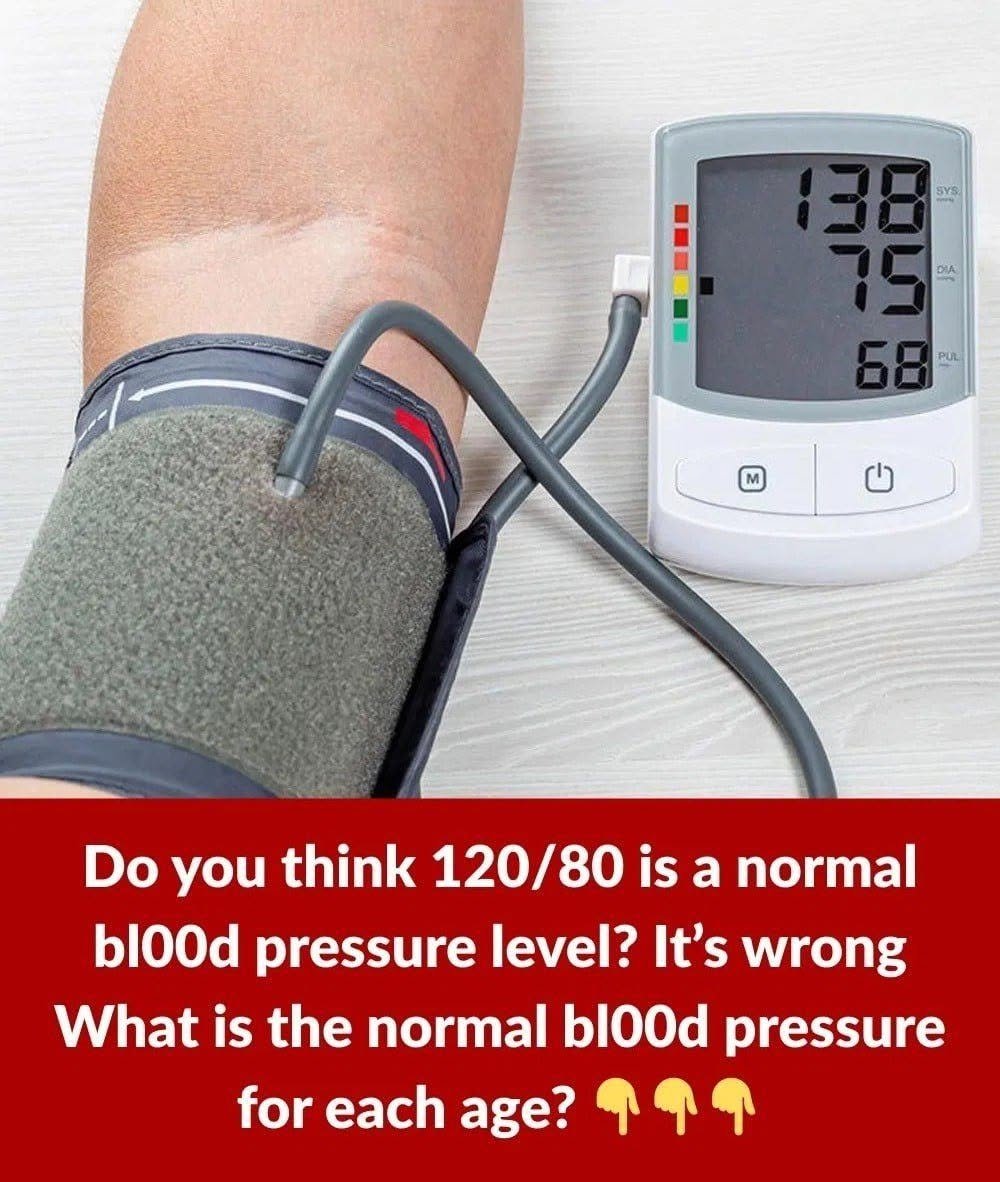
What Is the Normal Blood Pressure for Each Age?
Blood pressure naturally changes throughout life, but there isn’t a separate “normal” blood-pressure number for every age. For adults, around 120/80 mmHg or lower is generally considered normal, while interpretation depends on repeated measurements and a person’s overall health.
Children
Children’s normal blood pressure is different from adults and depends on age, sex, and height. A pediatrician should interpret children’s readings using age- and height-specific charts.
Teenagers
For teenagers, blood pressure is generally assessed using age-appropriate pediatric guidelines. Persistent readings around 130/80 mmHg or higher may require medical evaluation.
Adults 18–39
A reading below 120/80 mmHg is generally considered normal. Regular monitoring is particularly important if there are risk factors such as obesity, diabetes, smoking, or a family history of hypertension.
Adults 40–59
The same general adult categories apply. Getting older does not mean that high blood pressure automatically becomes normal.
Adults health, medications, dizziness, falls, and other conditions when determining an appropriate treatment target. Age alone doesn’t determine a person’s 60–69
Blood-pressure goals may be individualized depending on other health conditions and medications. A consistently elevated reading should be discussed with a healthcare professional.
Adults 70–79
Doctors may consider overall health, medications, dizziness, falls, and other conditions when determining an appropriate treatment target. Age alone doesn’t determine a person’s ideal reading.
Adults 80+
Treatment goals are often individualized even more carefully. A healthcare professional may consider frailty, kidney function, other illnesses, and whether treatment causes dizziness or excessively low blood pressure.
Understanding the Numbers
Systolic pressure (top number): Pressure in the arteries when the heart beats.
Diastolic pressure (bottom number): Pressure when the heart relaxes between beats.
For adults:
-
Normal: less than 120/80 mmHg
-
Elevated: 120–129 systolic and less than 80 diastolic
-
High blood pressure: 130/80 mmHg or higher, depending on the guideline and repeated measurements
A single unusual reading doesn’t necessarily mean you have hypertension.
When Is Blood Pressure an Emergency?
A reading of 180/120 mmHg or higher is severely elevated. If it occurs with chest pain, severe headache, shortness of breath, weakness, numbness, confusion, or vision changes, seek emergency medical care immediately.
How to Measure It Correctly
Rest quietly for about 5 minutes before measuring. Keep your back supported, feet flat on the floor, and arm supported at heart level. Take two readings about a minute apart and record them.
Bottom Line
There is no simple chart saying that a particular blood pressure is “normal” solely because someone is 50, 70, or 80. Adults generally use the same blood-pressure categories, while treatment targets may be individualized, particularly in older adults.