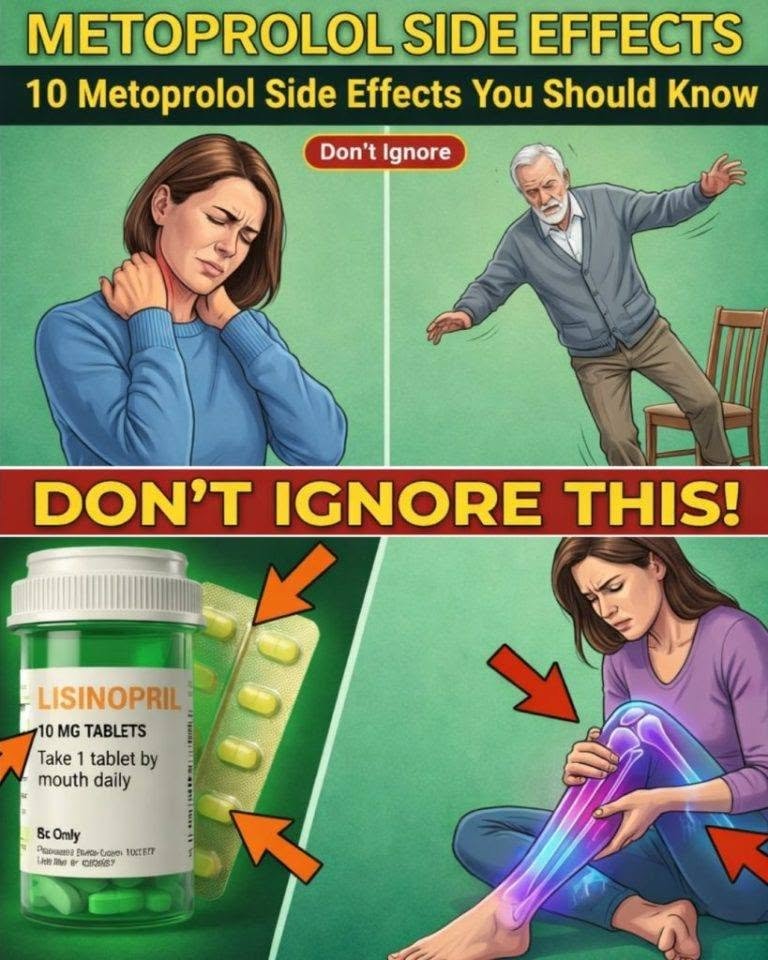
10 Metoprolol Side Effects That Are Sometimes Overlooked
Metoprolol is a beta blocker commonly prescribed for high blood pressure, angina, certain abnormal heart rhythms, heart failure, and after a heart attack. It works by slowing the heart rate and reducing the force with which the heart pumps.
Most people tolerate it well, but side effects can occur. Not everyone experiences them, and some symptoms may have another cause.
1. Unusual Tiredness
Fatigue is one of the more common effects people notice after starting metoprolol.
Because the medicine reduces heart rate and the heart’s workload, some people may initially feel less energetic, especially after physical activity.
If tiredness is severe, persistent, or interfering with everyday activities, tell your healthcare professional. Sometimes the dose or timing needs adjustment.
2. Dizziness or Lightheadedness
Metoprolol can lower blood pressure and heart rate, which may cause dizziness, particularly when standing up quickly.
Getting up slowly from a chair or bed can help reduce the chance of feeling faint.
Repeated dizziness, fainting, or unusually low blood pressure deserves medical attention.
3. Cold Hands and Feet
Beta blockers can reduce blood flow to the extremities in some people.
As a result, your hands or feet may feel colder than usual.
Occasional mild coldness isn’t usually dangerous, but significant changes in circulation, pain, numbness, or discoloration should be discussed with a healthcare professional.
4. Sleep Disturbances and Vivid Dreams
Some people taking beta blockers report changes in sleep, including unusual or vivid dreams.
Not everyone experiences this, and the relationship between metoprolol and sleep problems can vary.
If sleep problems began after starting metoprolol and are persistent, mention them to your doctor rather than discontinuing the medicine yourself.
5. Slow Heart Rate
Slowing the heart rate is actually one of metoprolol’s intended effects.
However, the heart rate can occasionally become too slow, particularly when the dose is too high or when metoprolol is combined with other medicines that slow the heart.
Symptoms such as severe weakness, dizziness, fainting, confusion, or shortness of breath warrant prompt medical evaluation.
6. Exercise Intolerance
You may notice that you can’t get your heart rate as high during exercise.
That’s because metoprolol blocks some of the effects of adrenaline on the heart.
Consequently, activities that previously felt easy may initially feel more difficult.
This doesn’t necessarily mean your heart is becoming weaker. However, new or significant exercise intolerance should be discussed with your clinician.
7. Digestive Problems
Some people experience gastrointestinal symptoms such as:
- Nausea
- Diarrhea
- Constipation
- Abdominal discomfort
These effects are usually mild when they occur, but persistent symptoms should be reported if they interfere with eating or daily life.
8. Depression or Mood Changes
Mood changes have been reported with beta blockers, although the relationship isn’t always straightforward.
Fatigue, poor sleep, and reduced physical energy can also affect mood, making it difficult to determine whether metoprolol itself is responsible.
If you develop persistent depression, loss of interest in normal activities, or significant changes in mood after beginning treatment, speak with your healthcare professional.
9. Sexual Difficulties
Some people taking beta blockers report reduced sexual desire or erectile difficulties.
However, cardiovascular disease, diabetes, high blood pressure, stress, and other medications can also contribute to sexual problems.
If this occurs, don’t stop metoprolol without medical advice. There may be ways to adjust treatment while continuing to protect your heart.
10. Breathing Problems in Susceptible People
Metoprolol is relatively selective for the heart at usual doses, but that selectivity isn’t absolute.
People with asthma or other bronchospastic conditions may experience worsening breathing symptoms, particularly at higher doses.
New or worsening wheezing, chest tightness, or difficulty breathing should be reported promptly.
A Particularly Important Issue: Diabetes
Metoprolol can make some symptoms of low blood sugar—particularly a rapid heartbeat—less noticeable.
People with diabetes who use insulin or certain glucose-lowering medicines should therefore be particularly attentive to their blood-glucose monitoring and other signs of hypoglycemia.
This doesn’t mean people with diabetes cannot take metoprolol. It means the combination should be managed appropriately.
Don’t Stop Metoprolol Suddenly
This is one of the most important safety points.
If you’ve been taking metoprolol regularly, don’t abruptly discontinue it unless a medical professional specifically tells you to do so.
Suddenly stopping a beta blocker can cause a rebound increase in heart rate and blood pressure and may worsen angina or increase cardiovascular risk in susceptible people.
If the medication is causing troublesome side effects, your doctor can determine whether the dose should be reduced gradually or whether another treatment would be more appropriate.
When to Seek Urgent Help
Seek urgent medical attention for symptoms such as:
- Fainting
- Severe difficulty breathing
- New or severe chest pain
- Severe weakness or confusion
- A very slow or irregular heartbeat accompanied by symptoms
- Signs of a serious allergic reaction
These symptoms shouldn’t automatically be attributed to a medication side effect because they can also signal a serious underlying condition.
Final Takeaway
The potentially overlooked effects of metoprolol include fatigue, dizziness, cold extremities, sleep changes, slow heart rate, reduced exercise tolerance, digestive symptoms, mood changes, sexual difficulties, and breathing problems in susceptible individuals.
Many of these effects are mild or manageable, and metoprolol can provide important cardiovascular benefits. The right response to troublesome symptoms is usually a medication review—not suddenly stopping the drug.
If you’re taking metoprolol and experiencing a new symptom, your doctor or pharmacist can determine whether it is likely related to metoprolol, another medication, or the underlying heart condition.