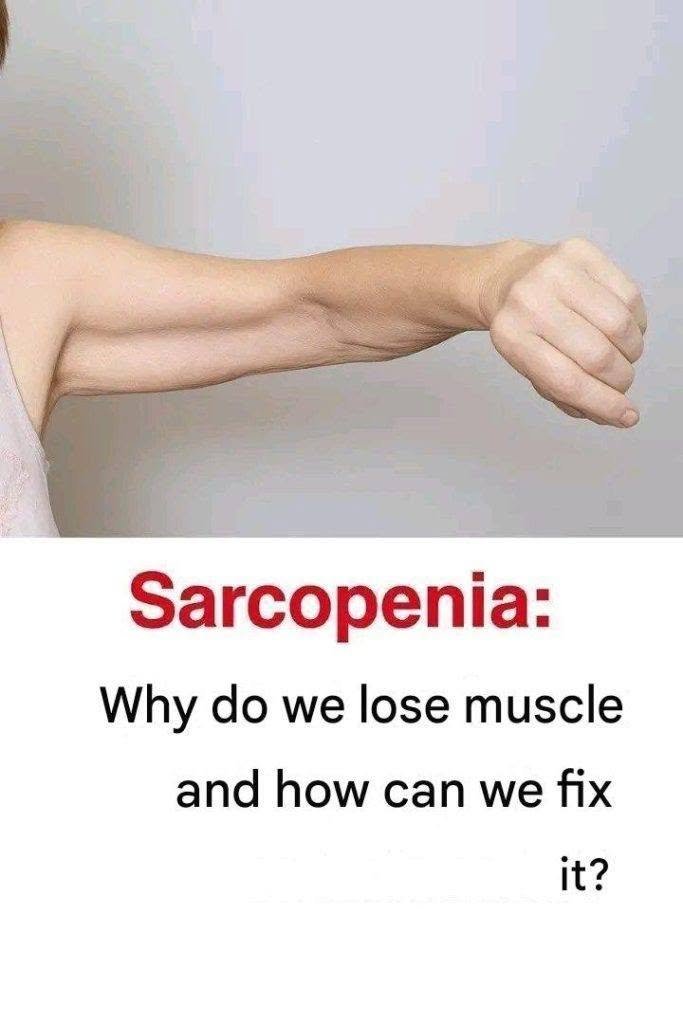
Sarcopenia: Causes of Muscle Loss and Solutions
Sarcopenia is the gradual loss of muscle mass, strength, and physical performance. It becomes more common with aging, but it isn’t an unavoidable part of growing older. Lifestyle, nutrition, illness, and inactivity can all contribute.
1. Aging
As we age, the body becomes less efficient at building and maintaining muscle. Hormonal and cellular changes can also contribute to muscle loss.
2. Lack of Physical Activity
Long periods of sitting or inactivity can cause muscles to become weaker and smaller. This can happen especially quickly after hospitalization or prolonged bed rest.
3. Not Eating Enough Protein
Protein provides the amino acids needed to maintain and repair muscle. Older adults may need to pay particular attention to getting adequate protein throughout the day.
Good choices include:
-
Eggs
-
Fish
-
Chicken
-
Milk and yogurt
-
Beans and lentils
-
Tofu
-
Nuts and seeds
4. Poor Overall Nutrition
Insufficient calories, vitamin D, and other nutrients can contribute to poor muscle health. A varied, nutrient-dense diet is important.
5. Chronic Health Conditions
Conditions such as diabetes, heart disease, chronic lung disease, kidney disease, and inflammatory disorders can be associated with muscle loss.
6. Unintentional Weight Loss
Losing weight without trying can involve loss of muscle as well as fat. Persistent unexplained weight loss should be discussed with a healthcare professional.
Solutions for Maintaining Muscle
1. Strength Training
Resistance exercise is one of the most effective ways to maintain or increase muscle strength.
Examples include:
-
Chair squats
-
Wall push-ups
-
Resistance-band exercises
-
Light weights
-
Leg raises
Start at an appropriate level and gradually increase the challenge.
2. Get Enough Protein
Include a protein source with meals rather than relying on one large protein-rich meal. The appropriate amount varies according to age, body size, activity, and health conditions.
3. Stay Phys normal muscle and bone function. Sunlight, fortified foods, and certain foods provide vitamin D, while supplements may beically Active
Walking, climbing stairs, gardening, and other daily activities can help maintain mobility. Combining strength, balance, and aerobic activity provides broader benefits.
4. Get Adequate Vitamin D
Vitamin D is important for normal muscle and bone function. Sunlight, fortified foods, and certain foods provide vitamin D, while supplements may be appropriate for some people.
5. Sleep Well
Adequate sleep supports recovery and overall physical health.
6. Address Medical Problems
If muscle loss is significant or progressing quickly, a healthcare professional can look for underlying causes and assess strength, walking ability, nutrition, and medications through progressive resistance exercise combined with adequate nutrition. If an older adult is becoming noticeably weaker.
Warning Signs
Possible signs of sarcopenia include difficulty getting up from a chair, climbing stairs, carrying groceries, walking as usual, or experiencing repeated falls.
Bottom Line
Muscle loss with age can often be slowed or partly reversed, particularly through progressive resistance exercise combined with adequate nutrition. If an older adult is becoming noticeably weaker or losing weight unintentionally, getting evaluated early is important.