🧠 Navigating Vitamin Habits: Understanding Stroke Risk for Older Adults and Brain Health
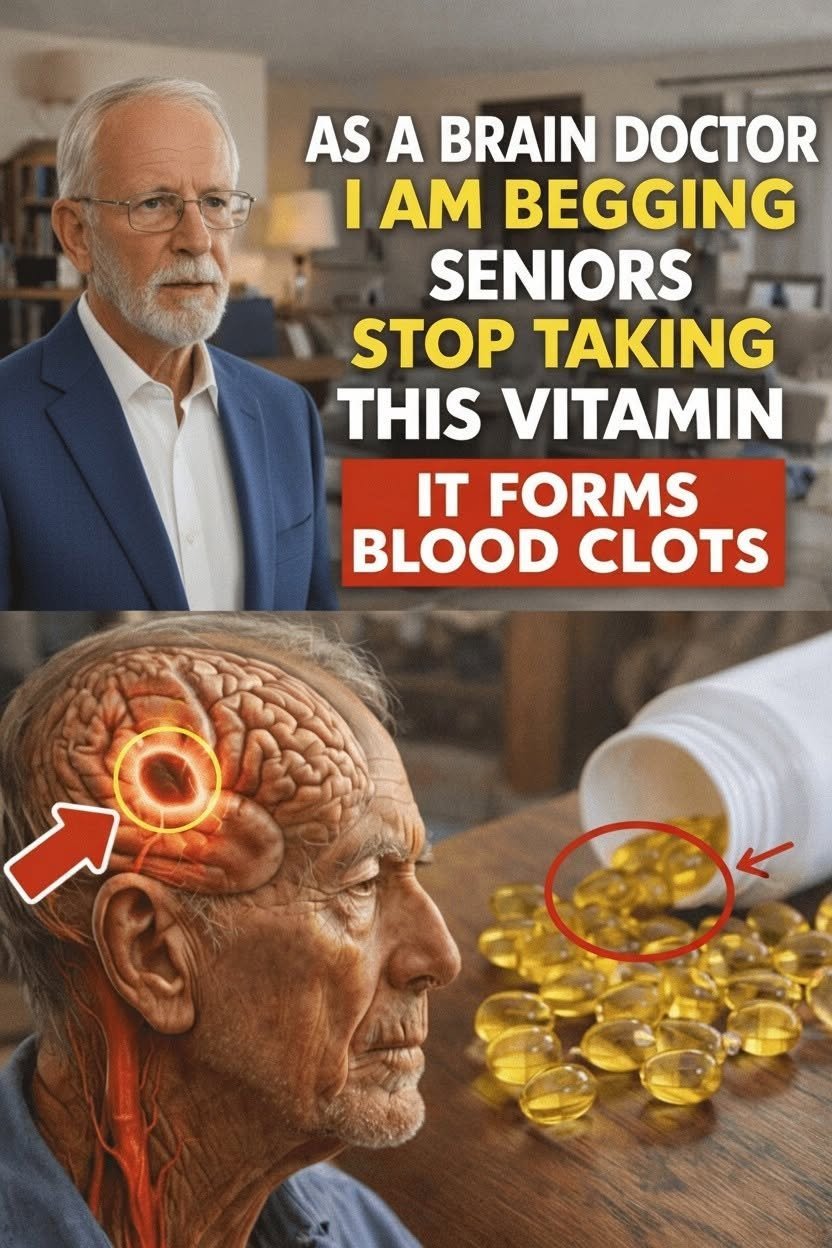
Vitamins and supplements can be useful when someone has a genuine nutritional deficiency, but more isn’t always better. For older adults, taking several supplements without medical guidance can sometimes create unnecessary risks or interact with medications.
When it comes to stroke and brain health, the most important step is understanding which factors actually matter.
1. 💊 Don’t Assume Every Vitamin Is Risk-Free
Many people think that because a supplement is sold without a prescription, it must be harmless.
Some vitamins and herbal products can interact with prescription medicines or affect blood clotting, blood pressure, or other body systems.
If you take several supplements, it’s worth reviewing them with a doctor or pharmacist.
2. ❤️ Blood Pressure Matters
High blood pressure is one of the most important modifiable risk factors for stroke.
Taking prescribed blood-pressure medication correctly, staying physically active, limiting excess sodium, and maintaining a healthy weight can all support cardiovascular health.
3. 🩸 Keep an Eye on Cholesterol and Blood Sugar
High cholesterol and diabetes can damage blood vessels over time and increase cardiovascular risk.
Regular checkups can help identify these problems early so they can be managed appropriately.
4. 🥗 Food Should Come First When Possible
A balanced diet provides many vitamins and minerals along with fiber and other beneficial nutrients.
Older adults should generally focus on vegetables, fruits, whole grains, legumes, nuts, healthy protein sources, and other nutrient-rich foods rather than taking large numbers of supplements without a clear reason.
5. 🧠 B Vitamins Have an Important Role
Vitamins such as B12, B6, and folate are involved in normal nerve function and metabolism.
A deficiency can cause health problems, so correcting a confirmed deficiency is important. However, taking large doses doesn’t necessarily make the brain or cardiovascular system healthier.
6. 🚭 Lifestyle Often Matters More Than Supplements
For stroke prevention, everyday habits can have a much greater impact than taking a collection of vitamins.
Important steps include:
-
Don’t smoke.
-
Stay physically active.
-
Keep blood pressure controlled.
-
Manage diabetes and cholesterol.
-
Maintain a healthy weight.
-
Eat a balanced diet.
-
Take prescribed medications as directed.
-
Limit excessive alcohol.
🚨 Know the Warning Signs of Stroke
Stroke symptoms can appear suddenly. Remember FAST:
F — Face: One side of the face droops.
A — Arms: One arm becomes weak or numb.
S — Speech: Speech becomes difficult or unclear.
T — Time: Call emergency medical services immediately.
Other sudden symptoms can include vision problems, severe dizziness, loss of balance, or a sudden severe headache.
❤️ The Bottom Line
Vitamins can be important when your body isn’t getting enough of a particular nutrient, but supplements aren’t a substitute for proven stroke-prevention strategies.
For older adults, the safest approach is to review all vitamins, supplements, and medications regularly with a healthcare professional and focus on the factors known to protect cardiovascular and brain health.
This article is for general education and isn’t a substitute for individualized medical advice.