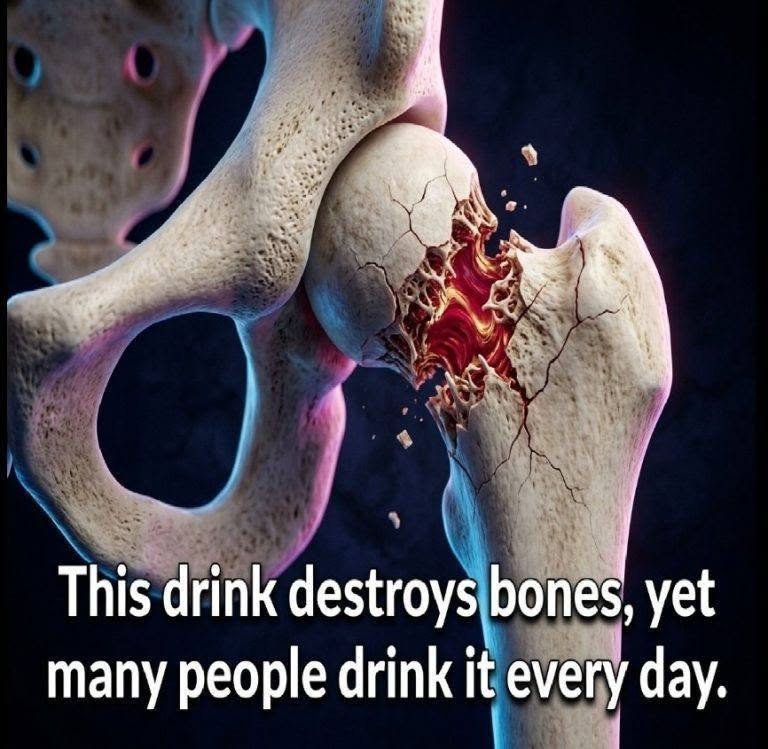
The Five Drinks That Can Be Most Harmful to Your Bones
Drinks don’t usually “destroy” bones by themselves, but certain beverages can contribute to poorer bone health when consumed frequently or in large amounts. The strongest concerns are heavy alcohol intake and excessive caffeine, while evidence about soda is more mixed and may partly reflect people replacing calcium-rich drinks with soft drinks. NCBI+2
1. Heavy Alcohol Consumption
Excessive alcohol is one of the clearest beverage-related concerns for bone health.
Long-term heavy drinking can interfere with calcium and vitamin D metabolism, affect hormones involved in bone formation, and increase the risk of falls and fractures. Chronic heavy alcohol consumption is recognized as a significant risk factor for osteoporosis. NIAMS+1
This doesn’t mean that every alcoholic drink immediately harms your bones. The concern is particularly with regular heavy consumption.
If you drink alcohol, moderation is important, especially if you already have osteoporosis or a history of fractures.
2. Large Amounts of Cola
Cola is often singled out because many varieties contain caffeine and phosphoric acid.
Some observational studies have found an association between frequent cola consumption and lower bone mineral density, particularly in women. However, researchers haven’t established that cola itself directly causes osteoporosis. PubMed+1
One possible explanation is that people who drink a lot of soda may consume less milk or other calcium-rich beverages.
Importantly, the carbonation itself isn’t considered the problem. Bone-health organizations specifically note that carbonation does not appear to harm bones. Bone Health & Osteoporosis Foundation
3. Highly Caffeinated Drinks
Caffeine can cause a small increase in calcium loss through urine and can modestly reduce calcium absorption.
For most people who consume adequate calcium, moderate caffeine intake isn’t considered a major threat to bone health. The concern becomes greater with very high caffeine consumption combined with inadequate calcium intake. NCBI+1
Coffee, energy drinks, strong tea, and caffeinated soft drinks can all contribute to total daily caffeine intake.
Rather than eliminating caffeine completely, focus on moderation and make sure you’re getting enough calcium.
4. Energy Drinks
Energy drinks can be problematic when consumed frequently because some contain large amounts of caffeine and added sugar.
The caffeine contributes to your overall daily caffeine intake, while replacing nutritious beverages or meals with sugary drinks can make it harder to obtain calcium, vitamin D, protein, and other nutrients important for maintaining bones.
If you drink energy drinks regularly, consider replacing some of them with water, milk, or a calcium-fortified beverage.
5. Sugary Soft Drinks
Regular sugar-sweetened sodas aren’t a direct “bone-destroying” beverage, but drinking them frequently can contribute to an overall dietary pattern that isn’t ideal for bone health.
The major concern is often what the soda replaces. If someone routinely chooses soda instead of milk or another calcium-rich beverage, their overall calcium intake may fall.
Research on soft drinks and bone density is mixed, so it would be misleading to say that every fizzy drink causes osteoporosis. The International Osteoporosis Foundation notes that there is no firm evidence that fizzy soft drinks themselves weaken bones. International Osteoporosis Foundation
What About Coffee?
You don’t necessarily need to give up coffee to protect your bones.
Moderate coffee consumption is generally compatible with good bone health, particularly when your diet provides sufficient calcium. Concerns are greater with very high caffeine intake and inadequate calcium consumption. PubMed
In fact, recent observational research has found different associations for coffee and tea, showing why it is too simplistic to label every caffeinated drink as harmful. Prevention
Better Drinks for Bone Health
Instead of relying heavily on soda, alcohol, or highly caffeinated drinks, consider:
- Water
- Milk
- Calcium-fortified plant milk
- Calcium-fortified beverages
- Unsweetened tea
- Water with fruit for flavor
The bigger picture matters. Adequate calcium, vitamin D, and protein, together with weight-bearing and resistance exercise, are important components of maintaining bone strength as you age. NIAMS+1
Final Takeaway
The drinks most worth limiting for bone health are heavy alcohol, excessive caffeine, frequent cola, energy drinks, and large amounts of sugary soft drinks.
But don’t be misled by claims that one particular beverage will “leach all the calcium from your bones.” Bone health depends on your overall diet, physical activity, age, medications, hormones, calcium and vitamin D intake, and other health factors.
For people concerned about osteoporosis, the most useful strategy is to limit heavy alcohol and excessive caffeine while making sure the diet consistently provides enough calcium, vitamin D, and protein.