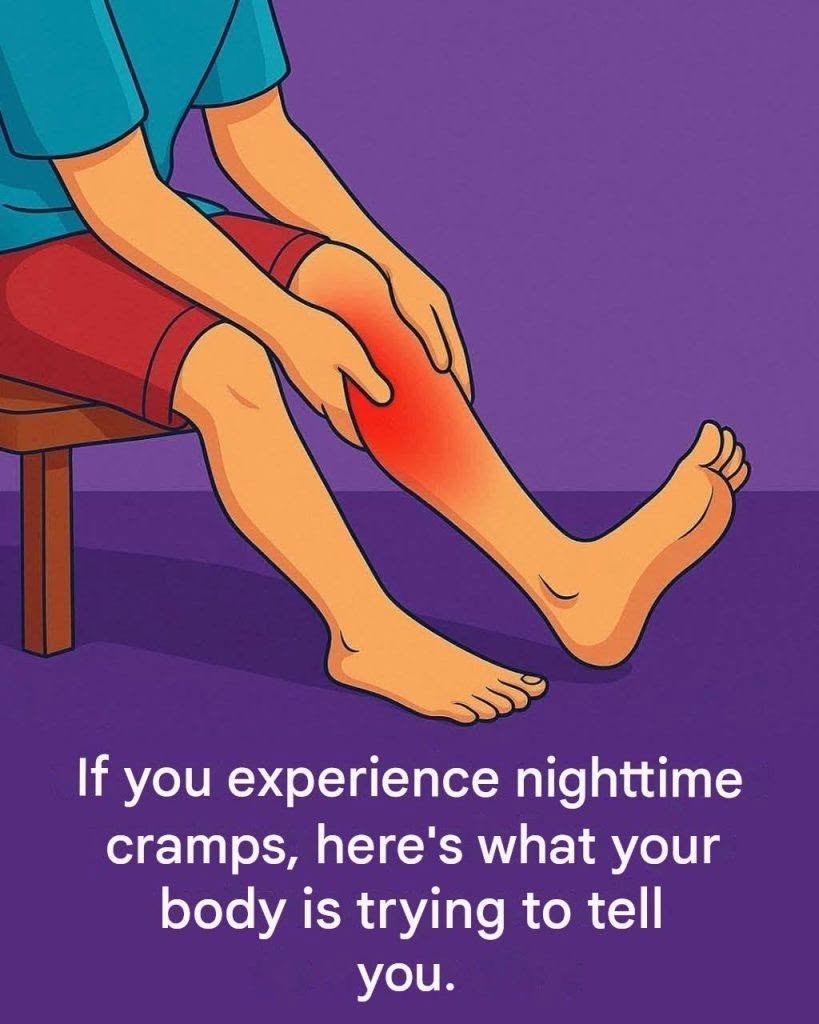
Nighttime Cramps: Why Do They Happen and How to Avoid Them Naturally?
Waking up with a sudden, painful tightening in your calf or foot can be miserable. Nighttime leg cramps are common, particularly as people get older, and they often happen without a serious underlying cause.
Why Do Nighttime Cramps Happen?
A muscle cramp occurs when a muscle suddenly contracts and doesn’t relax normally. Nighttime cramps can be associated with several factors:
-
Muscle fatigue or overuse, especially after unusually strenuous activity
-
Staying in one position for a long time
-
Dehydration
-
Pregnancy
-
Certain medications, including some diuretics and cholesterol-lowering medicines
-
Nerve problems or circulation-related conditions
-
Age-related changes in muscles and tendons
Sometimes, however, no clear cause can be identified.
Natural Ways to Help Prevent Cramps
1. Stay Hydrated
Drink fluids regularly throughout the day rather than waiting until you’re very thirsty. If you sweat heavily, you may need additional fluids.
Don’t force excessive amounts of water, particularly if a doctor has told you to restrict fluids because of a heart or kidney condition.
2. Stretch Before Bed
Gentle calf stretching before going to sleep may help some people.
Try standing facing a wall, placing one foot behind the other, keeping the back heel on the floor, and gently leaning forward. Hold the stretch for about 30 seconds, then relax and repeat.
3. Keep Your Legs Moving
If you spend much of the day sitting, take regular walking breaks and move your ankles and legs throughout the day.
4. Don’t Suddenly Increase Exercise
If you’ve been inactive, increase walking or other exercise gradually. Muscles that are suddenly exposed to much more activity can become fatigued.
5. Try Gentle Massage or Heat
When a cramp occurs, gently massage the affected muscle and slowly stretch it. A warm shower or heating pad may also help the muscle relax.
Do You Need More Magnesium or Potassium?
Not necessarily.
It’s common to hear that nighttime cramps are always caused by a magnesium or potassium deficiency, but that’s not true. Taking supplements without knowing whether you actually need them may not help and can sometimes cause problems.
It’s generally better to obtain nutrients through a varied diet. If cramps are frequent or severe, a healthcare professional can determine whether medication, be blamed on dehydration or a lack of magnesium—sometimes they have another underlying cause that needs evaluation. nutritional deficiencies, or another condition could be contributing.
When Should You See a Doctor?
Talk to a healthcare professional if cramps are frequent, severe, persistent, or disrupting your sleep regularly.
You should seek prompt medical attention if a painful leg is also swollen, red, unusually warm, or tender, particularly if the symptoms are sudden.
Bottom Line
The simplest approach is to stay adequately hydrated, stretch gently, remain physically active, and avoid sudden increases in exercise. But recurring nighttime cramps shouldn’t automatically be blamed on dehydration or a lack of magnesium—sometimes they have another underlying cause that needs evaluation.