Signs That Stress and Anxiety May Be Affecting Your Health
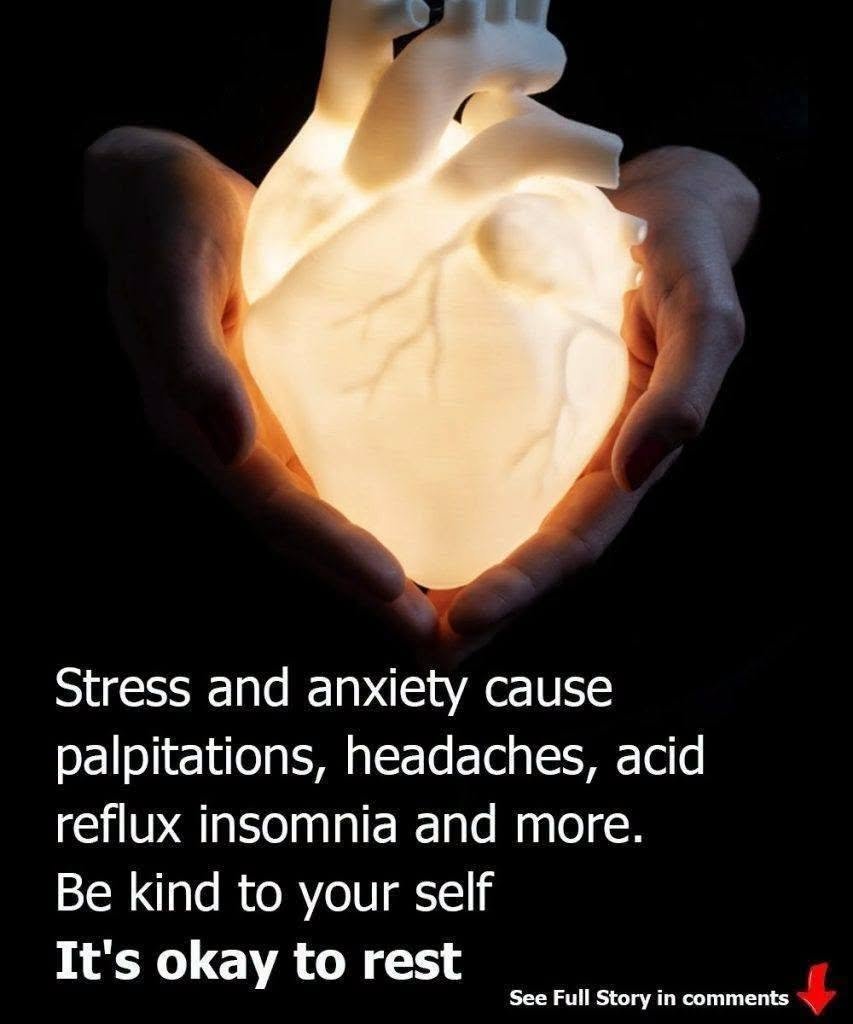
Stress and anxiety aren’t purely emotional experiences. When the body’s stress response stays activated for long periods, it can affect sleep, digestion, muscles, heart rate, concentration, and overall energy.
Here are some common signs that stress or anxiety may be affecting your physical health:
- Frequent headaches — Tension in the neck, shoulders, and scalp can contribute to tension-type headaches.
- Poor or disrupted sleep — Trouble falling asleep, waking repeatedly, or waking earlier than intended can occur when your mind remains highly alert.
- Muscle tension and aches — Stress commonly causes unconscious tightening of muscles, particularly around the neck, shoulders, jaw, and back.
- Digestive problems — Anxiety can affect the gut and may contribute to nausea, stomach discomfort, diarrhea, constipation, or changes in appetite.
- Racing or pounding heartbeat — Anxiety activates the body’s “fight-or-flight” response, which can temporarily increase heart rate and awareness of your heartbeat.
- Shortness of breath or rapid breathing — Anxiety can change breathing patterns and produce a sensation of breathlessness, even when oxygen levels are normal.
- Fatigue and low energy — Persistent stress combined with poor sleep can leave you feeling exhausted.
- Difficulty concentrating — Constant worry can make it harder to focus, remember things, or make decisions.
- Irritability or mood changes — Becoming unusually impatient, restless, overwhelmed, or emotionally sensitive can be a sign that stress levels are too high.
- Changes in appetite or weight — Some people eat considerably more when stressed, while others lose their appetite.
- Jaw clenching or teeth grinding — This can occur unconsciously, particularly during sleep, and may cause morning jaw pain or headaches.
- Increased reliance on caffeine, alcohol, nicotine, or other substances — People sometimes use these to cope with stress, but they can ultimately worsen sleep and anxiety.
When shouldn’t you blame it on stress?
It’s important not to assume that every physical symptom is anxiety. Chest pain, severe shortness of breath, fainting, sudden neurological symptoms, persistent unexplained weight loss, or other new/severe symptoms should be medically evaluated rather than automatically attributed to stress.
If stress or anxiety is interfering with your sleep, work, relationships, or daily activities for weeks, talking with a healthcare professional can help. Effective treatments include psychotherapy, lifestyle changes, relaxation techniques, and, when appropriate, medication.
A good first step is often surprisingly simple: regular sleep, physical activity, adequate food and hydration, reducing excessive caffeine, and deliberately scheduling periods of relaxation can help lower the body’s ongoing stress response.