12 Worst Side Effects of Amlodipine You Should Never Ignore
Amlodipine is a calcium-channel blocker commonly prescribed to lower blood pressure and treat certain types of angina. Like any medication, it can cause side effects. Most are mild, but some symptoms deserve prompt medical attention. The official prescribing information lists peripheral edema, flushing, palpitations, dizziness, fatigue, nausea, abdominal discomfort, and several less-common cardiovascular, allergic, gastrointestinal, and neurological reactions. DailyMed+1
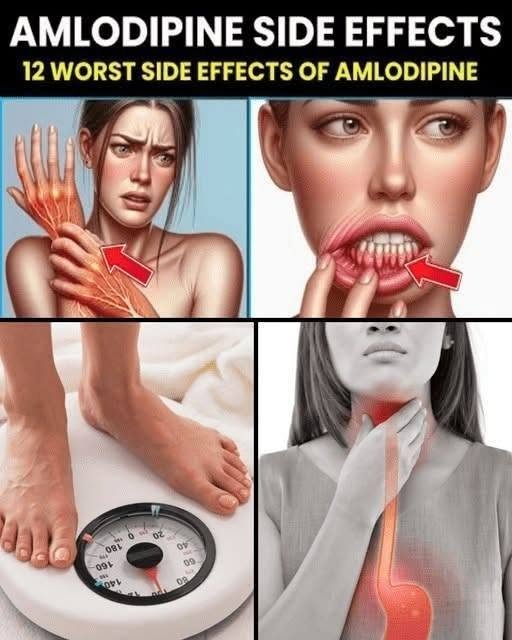
1. Significant Swelling of the Ankles or Feet
Swelling (peripheral edema) is one of the most recognized side effects of amlodipine.
Fluid can accumulate around the ankles and lower legs, causing shoes or socks to feel tighter and leaving an indentation when you press the swollen area.
Clinical trial data show that edema occurs more frequently with amlodipine than placebo and can be more common at higher doses. DailyMed
Mild swelling isn’t usually an emergency, but rapidly worsening or severe swelling should be discussed with your healthcare professional.
2. Severe Dizziness or Lightheadedness
Amlodipine lowers blood pressure, and some people may experience dizziness or lightheadedness, particularly when standing.
Occasional mild dizziness can happen when your body is adjusting to treatment.
However, severe dizziness, fainting, or repeated episodes of feeling as though you’re about to pass out should be evaluated because blood pressure may be too low or another problem may be occurring.
3. Fainting
Syncope (fainting) has been reported with amlodipine.
Fainting can result in serious injuries from falls and may also indicate excessive blood-pressure reduction or another cardiovascular problem. DailyMed
If you actually lose consciousness, particularly if it happens repeatedly, seek medical evaluation rather than simply assuming the medication is responsible.
4. Rapid or Irregular Heartbeat
Some people taking amlodipine experience palpitations, meaning an awareness of their heartbeat.
The prescribing information also lists various arrhythmias among reported adverse reactions. DailyMed
A brief, occasional awareness of your heartbeat may not be dangerous, but a persistent or markedly irregular heartbeat—especially when accompanied by dizziness, fainting, chest pain, or shortness of breath—requires prompt medical attention.
5. Chest Pain That Is New or Getting Worse
Amlodipine is also used to treat angina, but new or worsening chest pain should never automatically be blamed on a medication side effect.
Chest pain can indicate a heart problem that needs urgent evaluation.
Seek emergency medical attention for severe or persistent chest pressure or pain, especially when accompanied by sweating, nausea, shortness of breath, or pain spreading to the arm, back, neck, or jaw.
6. Severe Shortness of Breath
Difficulty breathing is listed among reported adverse reactions to amlodipine. DailyMed
However, shortness of breath has many possible causes, including heart and lung conditions.
If breathing suddenly becomes difficult, particularly together with chest pain, fainting, bluish lips, or rapidly worsening symptoms, seek emergency care.
7. Serious Allergic Reaction or Angioedema
Rare allergic reactions can occur.
Warning signs can include:
- Swelling of the lips, tongue, face, or throat
- Difficulty breathing
- Difficulty swallowing
- Widespread hives
- Sudden severe swelling
The prescribing information includes angioedema and allergic reactions among reported adverse reactions. DailyMed
Swelling involving the tongue or throat or difficulty breathing is an emergency.
8. Severe or Persistent Abdominal Problems
Nausea and abdominal pain are recognized adverse effects, and less-common gastrointestinal reactions—including vomiting, diarrhea, constipation, and pancreatitis—have been reported. DailyMed
Persistent or severe abdominal pain, particularly when accompanied by repeated vomiting, should be medically evaluated rather than automatically attributed to amlodipine.
9. Significant Weakness or Extreme Fatigue
Fatigue is among the more common reported adverse effects of amlodipine. Clinical trial data found fatigue in about 4.5% of amlodipine-treated patients compared with 2.8% receiving placebo. DailyMed
Mild tiredness may improve as the body adjusts.
But profound or worsening weakness—especially when accompanied by dizziness, fainting, shortness of breath, or an unusually low blood pressure reading—should be discussed with a healthcare professional.
10. Severe Skin Rash or Other Skin Reaction
Amlodipine has been associated with various skin reactions, including itching and rash. Rarely, more serious skin reactions have been reported. DailyMed
Seek prompt medical advice for a rapidly spreading rash, blistering, peeling skin, sores involving the mouth or eyes, facial swelling, or fever accompanying a rash.
11. Unusual Gum Enlargement
Gingival hyperplasia, or enlargement of the gums, has been reported with amlodipine. DailyMed
It isn’t generally an emergency, but it can make brushing difficult and may contribute to gum disease or other dental problems.
Good oral hygiene and regular dental care are important. If your gums begin enlarging after starting amlodipine, tell your doctor and dentist.
12. New or Severe Neurological Symptoms
Less-common nervous-system reactions reported with amlodipine include vertigo, tremor, tingling or altered sensation, and peripheral neuropathy. DailyMed
Sudden neurological symptoms such as facial drooping, weakness on one side, difficulty speaking, severe sudden headache, or sudden loss of balance should not be assumed to be a medication side effect.
Those symptoms can indicate a stroke and require emergency medical attention.
Common Side Effects Aren’t Always Dangerous
It’s important not to become frightened by the word “side effect.”
Some reactions are relatively common and may be manageable, including:
- Ankle swelling
- Flushing
- Palpitations
- Fatigue
- Nausea
- Abdominal discomfort
- Sleepiness
The FDA-approved prescribing information confirms these effects and provides their observed frequencies in clinical trials. DailyMed+1
The key is severity, persistence, and the symptoms occurring alongside them.
Don’t Stop Amlodipine Suddenly Without Medical Advice
If you think amlodipine is causing problems, don’t simply stop taking it on your own.
Amlodipine is prescribed to control blood pressure and/or angina. Stopping treatment without an appropriate replacement plan can allow blood pressure or heart symptoms to worsen.
Instead, contact your doctor or pharmacist and explain exactly what you’ve been experiencing. They can determine whether the dose should be changed, whether another medication is contributing to the problem, or whether a different treatment is appropriate.
When to Seek Emergency Help
Get emergency medical attention for symptoms such as:
- Severe chest pain or pressure
- Severe difficulty breathing
- Fainting with ongoing symptoms
- Swelling of the tongue or throat
- Sudden facial drooping
- Sudden one-sided weakness or numbness
- Sudden difficulty speaking
- Severe sudden confusion
- A rapidly worsening allergic reaction
These symptoms can represent serious medical emergencies and shouldn’t be dismissed as ordinary medication side effects.
Final Takeaway
Amlodipine is widely used and can be an effective medication, but it can cause adverse effects. Ankle swelling, dizziness, flushing, palpitations, fatigue, nausea, and gum enlargement are among the recognized reactions, while serious allergic reactions, fainting, significant cardiovascular symptoms, and severe skin or neurological reactions require greater attention. DailyMed+1
If you’ve recently started amlodipine or your dose has changed and you’re experiencing a new or worsening symptom, a pharmacist or prescribing clinician can review the medication and determine whether the symptom is likely related to amlodipine or needs another explanation.