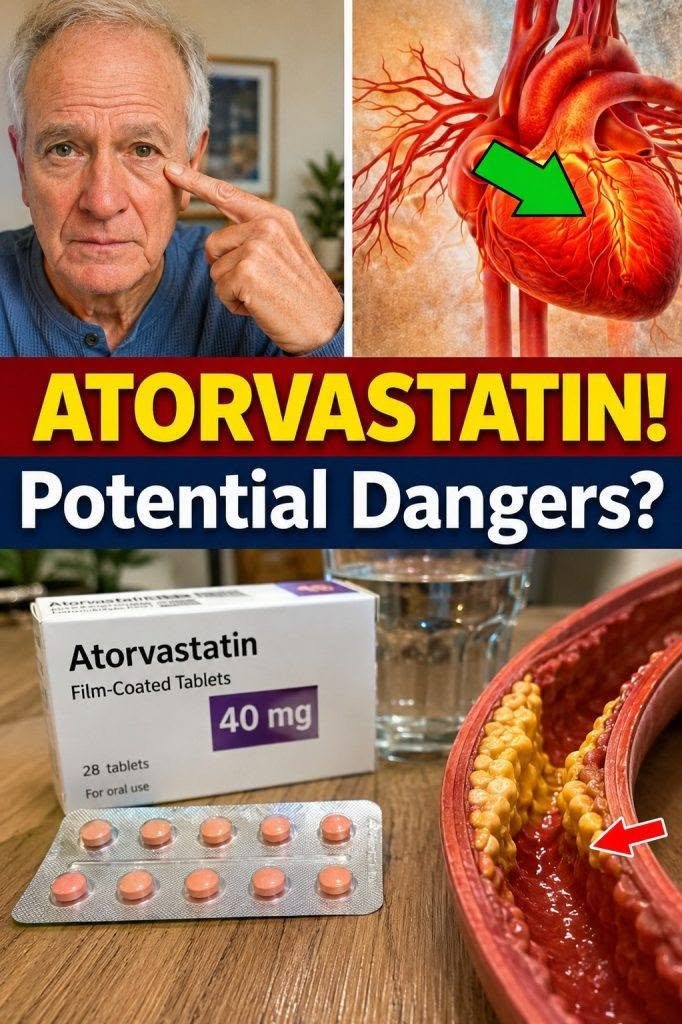
Atorvastatin Side Effects: 15 Things Worth Knowing About This Common Cholesterol Medication
Atorvastatin is a statin medicine used to lower cholesterol and reduce the risk of heart attacks and strokes. Most people take it without serious problems, but like any medication, it can cause side effects. nhs.uk+1
Here are 15 things worth knowing.
1. 💪 Muscle Aches
Muscle aches are among the side effects people commonly associate with statins.
You may notice soreness, tenderness, or aching in the:
- Legs
- Arms
- Shoulders
- Back
Not every muscle ache in someone taking atorvastatin is necessarily caused by the medication, so the timing and severity matter. nhs.uk
2. 🦵 Muscle Cramps
Some people experience muscle cramps or spasms.
If cramps are persistent, severe, or accompanied by unusual weakness, tell your doctor rather than simply stopping atorvastatin.
3. 😴 Tiredness or Weakness
Some people report feeling unusually tired or weak while taking statins.
Persistent weakness deserves attention, particularly if it occurs together with muscle pain.
4. 🤕 Headache
Headache is a recognized common side effect.
If headaches are severe, persistent, or accompanied by other concerning symptoms, they shouldn’t automatically be blamed on atorvastatin.
5. 🤢 Nausea or Stomach Upset
Atorvastatin can cause digestive symptoms such as:
- Nausea
- Indigestion
- Stomach discomfort
- Diarrhea
- Constipation
- Gas
These symptoms are often mild, but speak with a pharmacist or doctor if they don’t settle. nhs.uk
6. 😴 Sleep Problems
Some people taking atorvastatin report sleep disturbances.
If your sleep changed noticeably after starting the medicine, mention it to your healthcare professional.
7. 🦴 Joint or Back Pain
Joint pain and back pain have also been reported among people taking statins. U.S. Food and Drug Administration
Again, other conditions—including arthritis and normal physical strain—can cause exactly the same symptoms.
8. 🤧 Cold-Like Symptoms
Some people experience a blocked or runny nose or nosebleeds while taking atorvastatin. These aren’t necessarily caused by the drug, but they’re listed among its reported effects. nhs.uk
9. 🧴 Skin Rash
A rash can occur.
If you develop a widespread rash, significant swelling, blistering, or difficulty breathing, seek medical attention promptly because these can indicate a serious allergic reaction.
10. 🧪 Liver Enzyme Changes
Atorvastatin can cause changes in liver enzymes detected through blood testing.
Serious liver injury is uncommon, but people with existing liver problems should tell their healthcare professional before taking the medicine. nhs.uk+1
Watch for:
- Yellow skin or eyes
- Dark urine
- Unusual persistent fatigue
- Significant abdominal symptoms
These symptoms need medical assessment.
11. 🚨 Rare but Serious Muscle Damage
One of the most important warnings concerns severe muscle injury, including rhabdomyolysis.
Warning signs can include:
If your sleep changed noticeably after starting the medicine, mention it to your healthcare professional.
7. 🦴 Joint or Back Pain
8. 🤧 Cold-Like Symptoms
9. 🧴 Skin Rash
Watch for:
- Yellow skin or eyes
- Dark urine
- Unusual persistent fatigue
- Significant abdominal symptoms
- Severe unexplained muscle pain
- Marked muscle weakness
- Fever or feeling very unwell
- Dark red or brown urine
Rhabdomyolysis is rare but can damage the kidneys. FDA Access Data+1
12. 🫘 Kidney Problems Can Occur as a Consequence of Severe Muscle Injury
Atorvastatin doesn’t commonly “damage the kidneys” directly.
However, severe muscle breakdown can release substances that injure the kidneys. This is one reason unexplained severe muscle symptoms should be reported promptly. FDA Access Data
13. 🩸 Blood Sugar Can Change
Statins can be associated with changes in blood glucose and, in some people, a small increase in diabetes risk.
For people who have a significant cardiovascular risk, however, the proven benefits of statin therapy often outweigh this potential risk.
Don’t stop atorvastatin because of concern about diabetes without discussing it with your doctor.
14. 🍊 Grapefruit Can Matter
Grapefruit and grapefruit juice can increase atorvastatin exposure and therefore potentially increase the risk of side effects.
The NHS advises limiting grapefruit juice while taking atorvastatin. nhs.uk
15. 💊 Other Medicines Can Increase the Risk of Side Effects
This is particularly important.
Some medicines can increase atorvastatin levels or increase the risk of muscle problems. Examples include certain:
Warning signs can include:
- Antibiotics
- Antifungal medicines
- HIV/hepatitis C medicines
- Heart medicines such as diltiazem or verapamil
- Cholesterol medicines
- Colchicine
- Warfarin
- Cyclosporine
Always tell your doctor or pharmacist about prescription medicines, over-the-counter medicines, vitamins, and herbal supplements you’re taking. nhs.uk+1
⚠️ Should You Stop Atorvastatin If You Get Side Effects?
Don’t stop it on your own simply because you develop a mild symptom.
Atorvastatin is often taken long-term, and stopping it can allow cholesterol levels to rise again. Your doctor may instead adjust the dose, investigate another cause, switch to a different statin, or consider another cholesterol-lowering treatment. nhs.uk+1
However, severe unexplained muscle pain or weakness, especially with dark urine, or symptoms of a serious allergic reaction require prompt medical attention.
🫀 Why Atorvastatin Is Prescribed Despite These Risks
It’s easy to focus on side effects because they’re what people notice.
But atorvastatin is prescribed because lowering harmful LDL cholesterol can reduce the risk of heart attacks, strokes, and other cardiovascular complications. nhs.uk+1
For someone at high cardiovascular risk, the potential benefit can be substantial.
Bottom Line
Atorvastatin can cause headache, digestive problems, muscle aches, cramps, sleep problems, weakness, joint pain, and other effects. Most are not serious, but rare complications such as severe muscle injury and significant liver problems require prompt medical attention. nhs.uk+1
Don’t assume every new symptom is caused by atorvastatin—and don’t stop the medication without medical advice. If you tell me your atorvastatin dose (10, 20, 40, or 80 mg) and the symptom you’re experiencing, I can explain how concerning it is and what to discuss with your doctor.