20 Foods You Can Eat After Their Expiry Date
Have you ever opened your cupboard and discovered a package that’s past the date printed on the label?
Before throwing it away, stop and look at what type of date it is.
A date such as “best before” generally relates to quality—taste, texture, or freshness. Food can sometimes remain acceptable after that date if it has been stored properly.
A “use by” date is different. For foods where the use-by date is a safety limit, eating them after that date can carry a food-poisoning risk, even if they look or smell normal.
So there isn’t a universal rule that “expired food is safe.” The food, packaging, storage conditions, and type of date all matter.
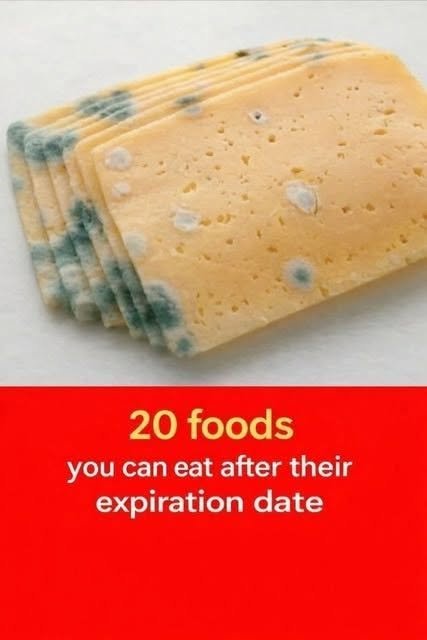
Here are 20 foods that may remain safe or usable beyond a best-before date when stored correctly.
1. Dried Pasta
Unopened dried pasta is low in moisture, which makes it relatively shelf-stable.
If the package is intact and the pasta has been stored somewhere cool and dry, it may remain usable after its best-before date.
Throw it away if you find:
- Insects
- Mold
- Moisture damage
- An unusual smell
- A damaged or contaminated package
2. Dried Rice
White rice can remain shelf-stable for a long time when kept dry and properly sealed.
Brown rice has more natural oils and generally doesn’t keep as long.
Always inspect rice for insects, moisture, mold, or an unusual odor.
3. Dried Beans
Dried kidney beans, chickpeas, lentils, and other legumes can remain usable well beyond their best-before dates if kept dry.
Over time, however, older beans may take considerably longer to soften during cooking.
4. Flour
Unopened white flour can sometimes remain usable beyond its best-before date when stored properly.
Whole-wheat flour doesn’t generally last as long because it contains more natural oils.
Discard flour if it smells rancid, has visible mold, contains insects, or has been exposed to moisture.
5. Sugar
Granulated sugar is highly shelf-stable.
If kept dry and protected from contamination, it generally doesn’t spoil easily. It may become hard or lumpy, but that doesn’t necessarily mean it has gone bad.
6. Salt
Plain salt is another extremely shelf-stable food.
Moisture can cause clumping, but ordinary salt itself doesn’t readily spoil.
Flavored or seasoned salts can have different storage considerations because of their additional ingredients.
7. Honey
Properly stored honey can remain usable for a very long time.
It may crystallize and become thick or grainy. Crystallization isn’t the same thing as spoilage.
Gently warming the container can return crystallized honey to a more fluid consistency.
Never give honey to babies under 12 months of age because of the risk of infant botulism.
8. Vinegar
Many types of vinegar are highly acidic and shelf-stable.
Over time, the color or appearance may change, but this doesn’t necessarily mean the vinegar is unsafe.
Check the product label and discard it if there are signs of contamination or unusual spoilage.
9. Soy Sauce
Unopened soy sauce can generally remain usable for a considerable period because of its salt content.
Once opened, storage recommendations depend on the product and manufacturer, so follow the label instructions.
Changes in color or flavor may occur with age.
10. Dried Herbs and Spices
Dried herbs and spices usually don’t suddenly become dangerous when they pass their best-before date.
Instead, they gradually lose their:
- Aroma
- Flavor
- Color
- Potency
A very old jar may therefore be disappointing rather than dangerous.
However, discard spices showing moisture damage, mold, insects, or other contamination.
11. Tea
Dry tea leaves and tea bags can often remain usable after their best-before date if they’ve been kept dry and sealed.
The main issue is usually declining flavor and aroma.
If the tea has become damp or shows mold, throw it away.
12. Coffee
Unopened dry coffee can sometimes be used beyond its best-before date.
The biggest change is usually loss of freshness and flavor, rather than sudden spoilage.
Keep coffee sealed and away from heat and moisture.
13. Canned Tomatoes
Commercially canned foods can have a long shelf life.
An unopened can may remain usable after its best-before date if it has been stored properly and the can remains in good condition.
Do not use cans that are bulging, leaking, badly rusted, or severely dented—especially around seams.
When in doubt, throw it out.
14. Canned Beans
Commercially canned beans are another shelf-stable food.
Inspect the can before opening it and discard it if the container is swollen, leaking, severely damaged, or otherwise suspicious.
After opening, transfer leftovers to an appropriate container, refrigerate them, and follow food-safety guidance for how long they can be stored.
15. Canned Fish
Canned tuna, sardines, and similar products can remain shelf-stable for a long time while unopened and properly stored.
Again, the condition of the can matters.
Never taste food from a can that appears compromised.
16. Peanut Butter
Commercial peanut butter can often remain usable beyond its best-before date if it has been stored appropriately.
Its quality may decline over time, and natural peanut butter can separate as the oil rises to the top.
If it develops an obviously rancid smell, unusual taste, mold, or other signs of spoilage, discard it.
17. Unopened Crackers
Dry crackers can sometimes remain usable after their best-before date.
They may become stale or lose their crispness.
Discard them if they’ve become damp, moldy, insect-infested, or have an unpleasant rancid smell.
18. Unopened Breakfast Cereal
Dry cereal doesn’t necessarily become unsafe immediately after a best-before date.
However, texture and flavor can deteriorate.
Keep it sealed and dry, and check carefully for insects, moisture, mold, or an off smell before eating.
19. Dried Milk Powder
Properly packaged powdered milk can be shelf-stable for a significant period.
Storage conditions are extremely important. Moisture can cause deterioration and microbial growth.
Follow the manufacturer’s storage instructions and discard powder showing moisture damage, mold, unusual odor, or contamination.
20. Unopened Chocolate
Chocolate may remain edible beyond its best-before date when properly stored.
You may notice a white or gray coating called chocolate bloom. This is generally a quality issue caused by changes involving fat or sugar rather than evidence that the chocolate is automatically unsafe.
However, chocolate containing perishable fillings or other ingredients may have different storage requirements.
Foods You Shouldn’t Treat as Automatically Safe After the Date
Be particularly careful with foods that support bacterial growth.
Examples include:
- Fresh meat
- Fresh poultry
- Fresh fish
- Ready-to-eat refrigerated foods
- Soft cheeses
- Some dairy products
- Prepared salads
- Cooked leftovers
- Foods specifically marked with a use-by date
Don’t assume that a food is safe simply because it looks, smells, or tastes normal. Some harmful bacteria don’t noticeably change the appearance or smell of food.
The Storage Rule Matters
A date on a package can’t tell the whole story.
Consider:
Was it unopened?
An unopened package may have very different storage characteristics from one that has been opened.
Was it stored correctly?
Food kept in a hot, humid environment may deteriorate much faster than food stored under recommended conditions.
Is the package damaged?
Bulging cans, leaking containers, broken seals, or compromised packaging are warning signs.
Is it a high-risk food?
Meat, seafood, dairy, and ready-to-eat refrigerated foods require much greater caution than dry pantry staples.
Don’t Use the “Smell Test” for Everything
People often say:
“If it smells fine, it’s fine.”
Unfortunately, that’s not always true.
Spoilage organisms may produce obvious changes, but some disease-causing microorganisms can be present without making food smell or taste unusual.
The smell test can be useful for identifying obvious spoilage, but it cannot guarantee food safety.
The Bottom Line
A food being past its printed date doesn’t automatically mean you must throw it away.
For many dry, shelf-stable foods, a best-before date is primarily about quality, and the food may remain usable afterward if it has been stored properly and shows no signs of deterioration.
But don’t apply the same rule to perishable foods or foods carrying a use-by date.
When you’re uncertain about a food’s safety, throwing it away is safer than taking a chance on food poisoning.
And remember: “best before” and “use by” are not interchangeable. Understanding that difference is one of the most useful ways to reduce unnecessary food waste without compromising food safety.