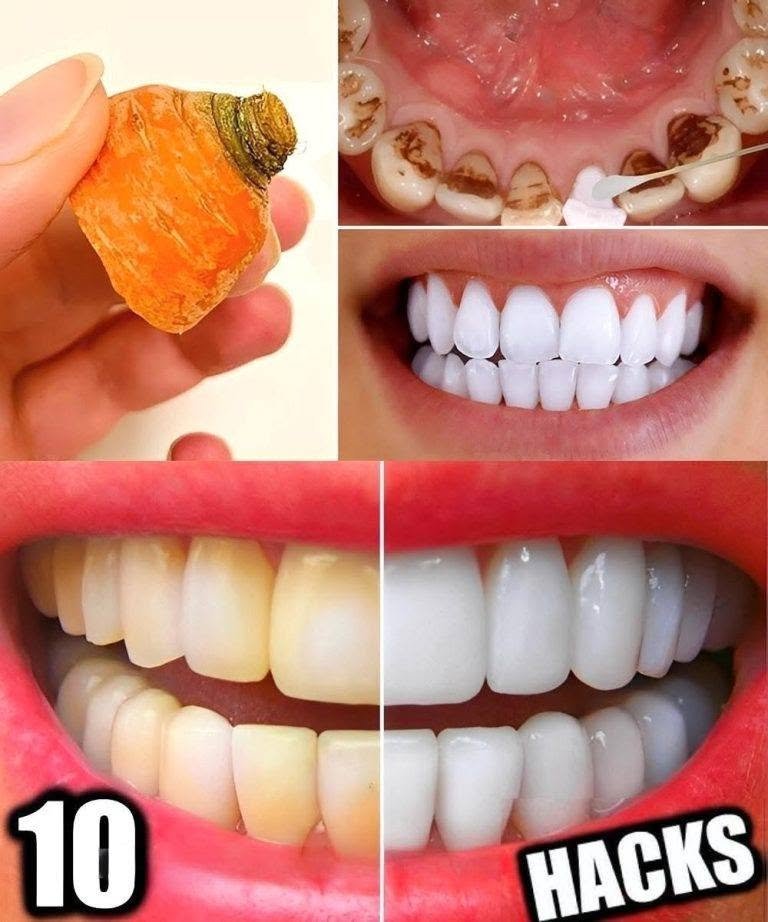
10 Safer Ways to Make Your Teeth Look Whiter at Home
Want a brighter smile without immediately booking a dental appointment? There are several things you can do at home to reduce surface staining and keep your teeth looking cleaner.
But there’s an important reality check: there is no proven natural remedy that can safely transform the color of your teeth in three days.
Your natural tooth color is influenced by genetics, enamel thickness, age, and the underlying dentin. Surface stains can sometimes be reduced at home, while deeper discoloration may require professional whitening.
Here are 10 safer habits to try.
1. Brush Twice a Day
Brush for about two minutes twice daily with a fluoride toothpaste and a soft-bristled toothbrush.
Regular brushing helps remove plaque and some surface stains before they become more noticeable.
Avoid aggressive scrubbing. Brushing harder doesn’t make teeth whiter—it can irritate your gums and contribute to enamel wear.
2. Clean Between Your Teeth
Floss or use another appropriate interdental cleaner once a day.
Plaque and food debris between teeth can make a smile look darker or less clean even when the tooth surfaces themselves are relatively white.
Cleaning between the teeth also supports gum health.
3. Rinse After Staining Drinks
Coffee, tea, cola, and other strongly pigmented drinks can contribute to surface staining.
You don’t necessarily have to eliminate them.
Instead, consider rinsing your mouth with plain water afterward.
This is a simple habit that reduces the amount of staining material left around your teeth.
4. Don’t Brush Immediately After Acidic Foods
Acidic foods and drinks can temporarily soften the tooth surface.
Instead of brushing immediately after consuming something acidic, rinse with water and give your mouth some time before brushing.
This helps reduce unnecessary mechanical wear on enamel.
5. Consider a Whitening Toothpaste
Some whitening toothpastes can help remove surface stains through gentle polishing ingredients.
They don’t generally change the natural internal color of teeth in the same way that peroxide-based whitening products can.
Choose a reputable product and use it according to the instructions.
If it causes significant sensitivity or irritation, stop using it and speak with a dental professional.
6. Avoid Smoking and Tobacco
Tobacco is a major contributor to tooth discoloration.
Smoking and other tobacco use can produce persistent yellow or brown staining as well as increase the risk of gum disease and oral cancer.
Stopping tobacco use is one of the best things you can do for your mouth—not merely for cosmetic reasons.
7. Drink Water Regularly
Water helps rinse away food particles and beverages from the mouth.
Replacing some sugary or strongly colored drinks with water can also reduce your exposure to substances that contribute to plaque and staining.
Water isn’t a bleaching agent, but good hydration supports normal saliva production, which is important for oral health.
8. Be Careful With “Natural” Acid Remedies
Lemon juice, vinegar, and other acidic ingredients are sometimes promoted online as natural teeth whiteners.
Don’t use them to whiten your teeth.
Acid can erode enamel. Once enamel is significantly lost, the damage cannot simply be reversed with another home remedy.
A recipe being labeled “natural” doesn’t make it safe for teeth.
9. Don’t Scrub With Abrasive Powders
Baking soda, charcoal, salt, and other powders frequently appear in DIY whitening recipes.
Some commercially formulated toothpastes contain carefully controlled amounts of baking soda or other polishing ingredients.
That’s very different from aggressively rubbing raw powders against your teeth.
Repeated abrasive treatment can wear the tooth surface and potentially make teeth appear more yellow as underlying dentin becomes more visible.
10. Use Proven Whitening Products Correctly
If you want actual tooth whitening rather than simply removing surface stains, look for a reputable whitening product designed specifically for teeth and follow its directions carefully.
Peroxide-based whitening products have substantially more evidence behind them than homemade mixtures.
However, whitening isn’t appropriate for every situation.
Existing cavities, gum disease, cracked teeth, restorations, or significant tooth sensitivity may need attention first.
Can You Really Whiten Teeth in Three Days?
You might notice a cleaner-looking smile within a few days if you’re removing surface plaque and stains.
But dramatic whitening in three days isn’t realistic for everyone, especially if the discoloration is intrinsic rather than surface-level.
Results also vary considerably from person to person.
If an advertisement promises that a kitchen ingredient will make your teeth several shades whiter overnight, be skeptical.
Why Some Teeth Stay Yellow
Not every yellow-looking tooth is dirty.
As people age, enamel naturally becomes thinner and the underlying dentin can become more visible.
Other causes of discoloration include:
- Certain medications
- Dental trauma
- Fluorosis
- Natural tooth color
- Aging
- Tobacco
- Coffee and tea
- Certain foods and drinks
Scrubbing harder won’t correct these underlying causes.
When You Should See a Dentist
You don’t necessarily need a dentist simply because your teeth aren’t perfectly white.
But professional evaluation is important if you have:
- Tooth pain
- Bleeding or swollen gums
- Significant sensitivity
- A dark spot on one particular tooth
- A sudden change in tooth color
- Broken or cracked teeth
- Persistent bad breath
- Visible cavities
A single tooth becoming gray, brown, or significantly darker can have a different cause from ordinary staining.
The Bottom Line
There isn’t a scientifically proven “10-hack” natural recipe that safely whitens everyone’s teeth in three days without professional care.
The safest approach is much less dramatic:
Brush twice daily, clean between your teeth, limit tobacco, rinse after staining drinks, avoid acidic or abrasive DIY whitening recipes, and use reputable whitening products according to their directions if you want additional whitening.
A brighter smile doesn’t require damaging your enamel to get there.