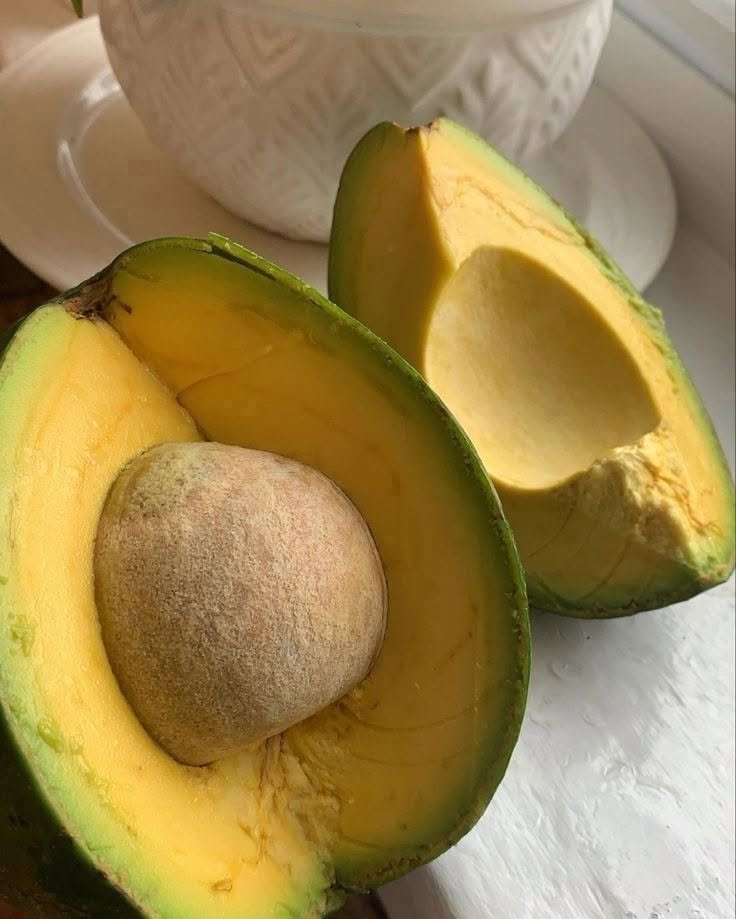
Doctors Reveal What Eating Avocados Really Does to Your Body
Avocados have become one of the most popular foods for people trying to eat healthier. They’re creamy, filling, and packed with nutrients.
But you’ve probably also seen alarming headlines claiming that eating avocados causes unexpected health problems.
So what does the science actually say?
For most healthy people, avocado is a nutritious food and can be part of a balanced diet. It doesn’t inherently cause a particular disease. However, eating avocado can have different effects depending on how much you eat, what you eat it with, and your individual health conditions.
1. Eating Avocado Can Make You Feel Fuller
One of the most noticeable effects of avocado is increased satiety.
Avocados contain fiber and fat, both of which can help slow digestion and keep you feeling satisfied after a meal.
This can be useful for people trying to reduce unnecessary snacking.
However, feeling full doesn’t mean avocado automatically causes weight loss.
Avocado is relatively calorie-dense, so eating very large portions can add substantial calories to your diet.
2. It Can Increase Your Fiber Intake
Avocado is an excellent source of dietary fiber.
Fiber supports normal digestion and helps maintain regular bowel movements. It can also contribute to a healthier gut environment.
But there’s a catch.
If your normal diet contains very little fiber and you suddenly start eating large amounts of avocado, you may experience:
- Gas
- Bloating
- Abdominal discomfort
- Changes in bowel movements
The solution is usually simple: increase fiber gradually and drink enough fluids.
3. It Provides Healthy Unsaturated Fats
Avocados are rich in monounsaturated fat.
Replacing some foods high in saturated fat with foods containing unsaturated fats can support healthier cholesterol levels and cardiovascular health.
This is one reason avocado can fit well into a heart-conscious eating pattern.
But remember that healthy fat is still fat.
A food can be nutritious while still contributing significant calories.
4. It Can Increase Potassium Intake
Avocados contain a significant amount of potassium.
Potassium plays important roles in:
- Muscle contraction
- Nerve function
- Fluid balance
- Normal heart function
For most healthy people, getting potassium from foods is beneficial.
However, this is where individual medical conditions matter.
People with significant kidney disease may have difficulty removing potassium from the blood. Depending on their kidney function and treatment, they may need to limit high-potassium foods.
If you’ve been prescribed a low-potassium diet, don’t assume avocado is automatically appropriate just because it is considered healthy.
5. It May Affect People With Food Allergies
Although uncommon, avocado allergy is possible.
A person with an avocado allergy might experience:
- Itching or tingling in the mouth
- Skin rash or hives
- Swelling
- Stomach symptoms
- Vomiting
- Breathing difficulties
Some people with latex allergy can also have reactions to certain fruits, including avocado. This is sometimes referred to as latex-fruit syndrome.
If you’ve previously reacted to latex or certain fruits, ask a healthcare professional whether avocado is safe for you.
A person experiencing severe difficulty breathing, swelling of the throat, faintness, or other signs of a serious allergic reaction needs emergency medical care.
6. Eating Too Much Can Add More Calories Than You Realize
This is one of the most important things to understand about avocado.
Because it contains a substantial amount of fat, avocado is considerably more energy-dense than many fruits and vegetables.
That doesn’t make it unhealthy.
It simply means portion size matters.
For example, adding a modest amount of avocado to a salad can be very different from eating several large avocados every day in addition to your usual meals.
If you’re trying to lose weight, the total amount of food and calories you consume still matters—even when those calories come from nutritious foods.
7. Avocado Doesn’t Automatically Cause Weight Gain
At the same time, it would be incorrect to say:
“Avocados make you fat.”
Weight gain occurs when, over time, energy intake exceeds energy expenditure.
A moderate serving of avocado can fit into a weight-management diet, particularly because its combination of fat and fiber may help with fullness.
The overall dietary pattern matters much more than blaming one food.
8. It May Be Helpful for Cholesterol
Avocados can be useful when they’re used to replace foods that contain large amounts of saturated fat.
For example, using avocado instead of butter or certain high-saturated-fat spreads changes the type of fat in the meal.
Some research has found improvements in certain cholesterol measures when avocado is incorporated into a heart-healthy diet.
But avocado isn’t a substitute for cholesterol-lowering medication when medication has been prescribed.
If your cholesterol is very high, discuss your treatment plan with your healthcare professional rather than trying to manage it with avocado alone.
9. It Can Cause Digestive Problems in Some People
Most people tolerate avocado well.
However, some people may notice bloating or abdominal discomfort after eating it.
This can be particularly relevant for people who are sensitive to certain fermentable carbohydrates, including sorbitol, which occurs naturally in avocado.
The amount that causes symptoms varies from person to person.
If you repeatedly develop digestive symptoms after eating avocado, keeping a food diary and discussing the pattern with a healthcare professional or dietitian can help determine whether avocado is actually responsible.
10. Avocado Doesn’t “Detox” Your Body
Another common claim is that eating avocado detoxifies the liver or cleans toxins from the bloodstream.
That’s misleading.
Your body already has organs—including the liver and kidneys—that continuously process and eliminate many waste products.
Avocado provides nutrients that support overall health, but it isn’t a special detoxification treatment.
You don’t need a daily avocado detox.
11. Avocado Doesn’t Cure Diabetes
Avocado contains relatively little carbohydrate compared with many other fruits and provides fiber and unsaturated fat.
It can therefore be incorporated into many diabetes-friendly eating patterns.
But that doesn’t mean avocado cures diabetes or makes blood sugar problems disappear.
People with diabetes should consider the entire meal, portion sizes, medications, and their individual blood-glucose response.
12. The Way You Eat Avocado Matters
An avocado by itself is very different from an avocado-based meal loaded with additional calories.
Consider two examples.
A modest amount of avocado with vegetables, beans, and whole grains can be part of a nutrient-rich meal.
But avocado combined with large amounts of cheese, mayonnaise, refined carbohydrates, and high-calorie sauces can produce a much more calorie-dense meal.
The food itself isn’t necessarily the problem.
The overall meal matters.
Who Should Be More Careful?
Avocado may require additional consideration if you have:
- A known avocado allergy
- A latex allergy with previous reactions to related foods
- Significant kidney disease or a prescribed low-potassium diet
- Persistent digestive symptoms after eating avocado
- A medically prescribed diet requiring specific calorie or nutrient limits
That doesn’t necessarily mean you can never eat avocado.
It means your individual circumstances should determine whether and how much you consume.
How to Include Avocado in a Balanced Diet
You don’t need to eat a whole avocado at every meal.
Try a moderate portion with:
- Eggs and whole-grain toast
- A vegetable salad
- Beans and whole grains
- Grilled fish or chicken
- A vegetable sandwich
- A homemade salsa or bowl
The goal is variety.
Avocado can be one nutritious component of your diet rather than the centerpiece of every meal.
What Doctors Would Really Warn You About
If a headline says:
“Doctors reveal that eating avocados causes…”
be careful about what comes next.
A responsible medical claim should explain who is at risk, how much is involved, what evidence supports the claim, and whether the effect is actually clinically important.
It’s easy to turn a small observation or a condition affecting a particular group into a frightening headline about everyone.
For most healthy adults, there’s no reason to fear avocado simply because it contains fat or potassium.
The Bottom Line
Eating avocado does not automatically cause weight gain, diabetes, heart disease, or another major illness.
For most people, it is a nutrient-rich food containing fiber, potassium, and predominantly unsaturated fats.
The exceptions are important, though.
People with certain kidney conditions, food allergies, digestive sensitivities, or specific dietary restrictions may need to limit or avoid avocado.
And even healthy foods should be eaten in sensible portions.
The healthiest approach isn’t to label avocado as “good” or “bad.” It’s to consider your overall diet, portion size, and individual health needs.