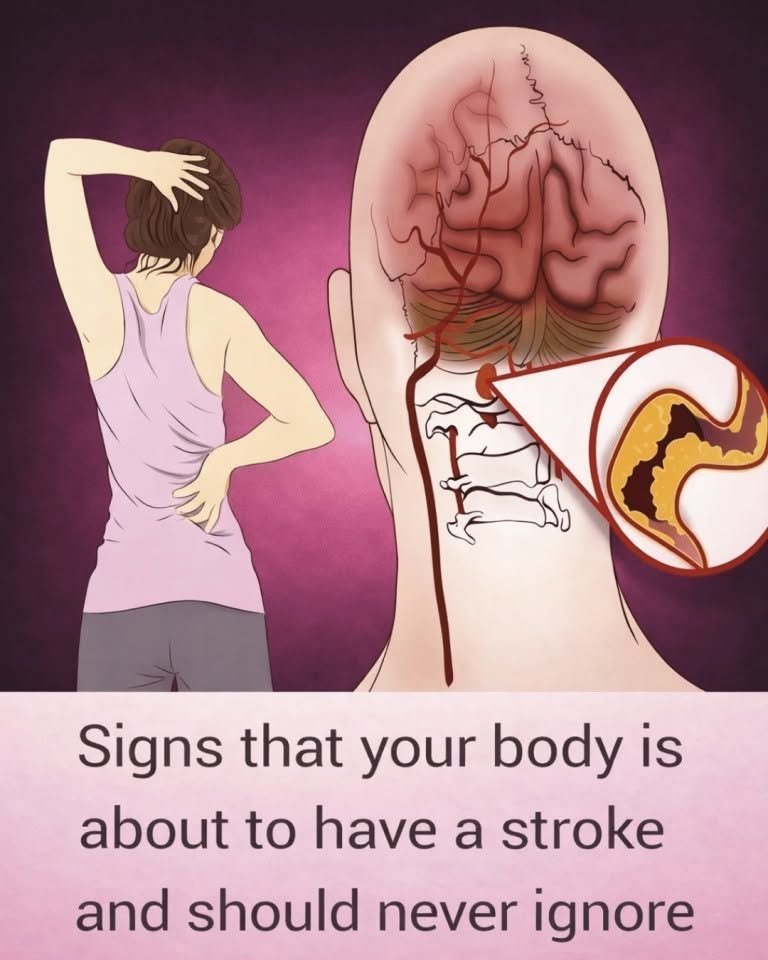
10 Early Warning Signs of a Stroke Everyone Should Know
A stroke can happen suddenly, and every minute matters.
A stroke occurs when blood flow to part of the brain is interrupted or when a blood vessel in the brain bleeds. Brain cells can begin to become damaged within minutes, which is why recognizing symptoms and getting emergency treatment quickly is so important.
You don’t need to experience all of the signs below. Even one sudden, unexplained symptom can be enough to warrant emergency evaluation.
1. Sudden Facial Drooping
One side of the face may suddenly feel weak or numb.
You might notice that:
- One side of the mouth droops
- A smile looks uneven
- One cheek feels numb
- The person cannot move one side of the face normally
Ask the person to smile if they’re able to respond.
An uneven smile can be an important warning sign.
2. Sudden Weakness or Numbness in an Arm
A stroke can cause sudden weakness or numbness, particularly on one side of the body.
Ask the person to raise both arms.
If one arm suddenly drifts downward or cannot be lifted normally, treat it as an emergency.
Weakness can also affect a leg or one entire side of the body.
3. Sudden Trouble Speaking
A person having a stroke may suddenly:
- Slur their words
- Have difficulty finding words
- Say things that don’t make sense
- Have trouble understanding what others are saying
The change can be subtle or dramatic.
If someone’s speech suddenly becomes abnormal, don’t assume they’re simply tired, confused, or intoxicated.
4. Sudden Vision Problems
A stroke can affect vision in one or both eyes.
Someone may suddenly experience:
- Blurred vision
- Double vision
- Loss of vision
- Difficulty seeing to one side
Sudden vision loss is an emergency even if there is no pain.
5. Sudden Difficulty Walking
A person may suddenly become unsteady or have trouble coordinating their movements.
They might:
- Stumble unexpectedly
- Be unable to walk normally
- Feel suddenly off-balance
- Have difficulty coordinating their arms or legs
Sudden loss of balance can be a sign of stroke, particularly when it occurs alongside other neurological symptoms.
6. Sudden Severe Dizziness
Sudden dizziness or a sensation that the room is spinning can sometimes occur during a stroke.
It’s particularly concerning when dizziness appears together with:
- Difficulty walking
- Loss of coordination
- Vision changes
- Weakness
- Numbness
- Speech problems
Not every episode of dizziness is a stroke, but sudden neurological symptoms should be evaluated urgently.
7. Sudden Severe Headache
A sudden, extremely severe headache—especially one that is unusual for the person—can be a warning sign of a bleeding stroke.
People sometimes describe this type of headache as an exceptionally severe or abrupt headache.
It may occur with vomiting, neck stiffness, loss of consciousness, weakness, or other neurological symptoms.
A sudden, severe, unexplained headache requires emergency medical attention.
8. Sudden Confusion
A person may suddenly become confused or have difficulty understanding what’s happening.
They might:
- Not know where they are
- Struggle to understand simple instructions
- Suddenly behave unusually
- Have difficulty speaking or understanding language
Sudden confusion can have many causes, but stroke is one possibility that must be considered.
9. Sudden Numbness on One Side
Numbness or altered sensation can appear suddenly in the:
- Face
- Arm
- Leg
- Side of the body
The person may describe the area as feeling “asleep,” heavy, strange, or disconnected.
Sudden one-sided sensory changes should never be ignored.
10. Sudden Loss of Coordination
A person may suddenly have difficulty controlling their movements.
They may struggle to:
- Pick up an object
- Walk in a straight line
- Coordinate their hands
- Perform a familiar task
When this happens suddenly, especially with dizziness, weakness, or speech or vision changes, emergency evaluation is essential.
Remember FAST
You don’t need to memorize all ten symptoms.
A simple way to remember several major stroke warning signs is FAST:
F — Face: Does one side of the face droop?
A — Arms: Is one arm weak or numb?
S — Speech: Is speech slurred, strange, or difficult?
T — Time: If any of these signs appear suddenly, call emergency services immediately.
Some stroke organizations also emphasize additional symptoms such as sudden vision problems, severe headache, dizziness, and loss of balance.
Don’t Wait for the Symptoms to Get Worse
This is one of the biggest mistakes people make.
You might think:
“Let’s wait 30 minutes and see if it goes away.”
Don’t.
A stroke is a medical emergency. Treatment options are highly time-dependent, and some treatments are available only within specific time windows after symptoms begin.
Even if the symptoms disappear, the person may have experienced a transient ischemic attack (TIA), sometimes called a “mini-stroke.”
A TIA can be a warning that a major stroke may follow.
It still requires urgent medical evaluation.
What Should You Do If You Suspect a Stroke?
If someone suddenly develops symptoms that could indicate a stroke:
- Call your local emergency services immediately.
- Note the exact time the person was last known to be well or when symptoms were first noticed.
- Keep the person safe and comfortable while waiting for help.
- Don’t give food, drink, or medication unless instructed by medical professionals.
- Don’t drive the person yourself if emergency medical transport is available.
Knowing when the person was last well is particularly important because it can help doctors determine which treatments may be appropriate.
What If the Symptoms Go Away?
Still seek emergency medical evaluation.
Temporary symptoms can be caused by a TIA, which can occur when blood flow to part of the brain is briefly interrupted.
A TIA may resolve before permanent brain injury occurs, but it can be an important warning sign.
Disappearing symptoms do not make the event unimportant.
Stroke Symptoms Can Differ From Person to Person
Not every stroke looks the same.
Some people have obvious facial drooping and weakness.
Others may primarily experience vision problems, severe dizziness, confusion, coordination problems, or difficulty speaking.
That is why it’s dangerous to wait for the “classic” combination of symptoms.
A Note About Women and Older Adults
Stroke can affect anyone.
Some people may have symptoms that are less obvious or may initially be mistaken for other problems.
Regardless of age or sex, a sudden neurological change should be taken seriously.
Don’t Try to Diagnose the Cause at Home
A sudden symptom could have another explanation, such as low blood sugar, migraine, seizure, medication effects, or another neurological condition.
But you don’t need to determine the cause yourself.
The correct response to a sudden potential stroke symptom is urgent medical evaluation.
It is much safer to have a suspected stroke evaluated and discover that it wasn’t a stroke than to delay treatment because the symptoms seemed mild.
The Bottom Line
The most important stroke warning signs include:
- Sudden facial drooping
- Sudden weakness or numbness, especially on one side
- Sudden speech or comprehension problems
- Sudden vision changes
- Sudden difficulty walking or loss of balance
- Sudden severe dizziness
- Sudden severe or unusual headache
- Sudden confusion
- Sudden coordination problems
You don’t need to see all of these symptoms.
If a person suddenly develops a possible stroke symptom, act immediately and call emergency services.
Remember:
Face. Arms. Speech. Time.
When it comes to stroke, don’t wait and don’t try to treat it at home. Every minute can matter.