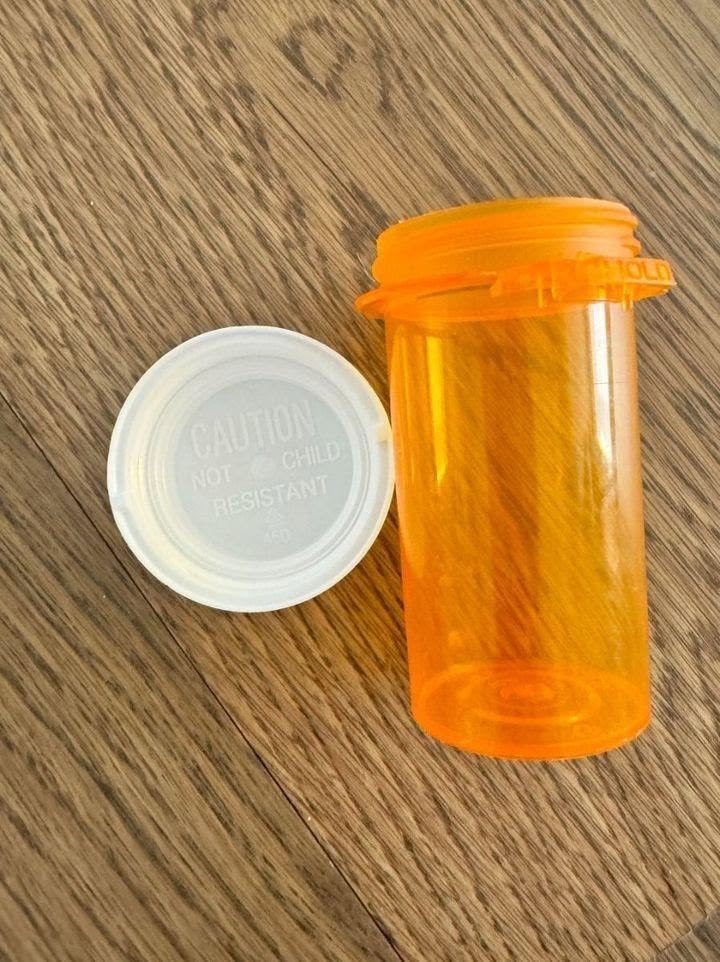
Stop Throwing Away Your Old Pill Box: 12 Ways to Reuse It
Before you toss that empty pill organizer into the trash, take a second look.
Those small compartments can be surprisingly useful around the house—but clean it thoroughly first, and never reuse a container for medication if you can no longer identify it or if it has been contaminated.
Here are 12 practical ways to give an old pill box a second life.
1. Store Small Jewelry
Use the individual compartments for earrings, rings, charms, or other tiny pieces.
It’s especially useful when traveling because each item can have its own compartment.
2. Organize Sewing Supplies
Buttons, safety pins, needles, thread bobbins, and small fasteners can easily get lost.
A compartmentalized box keeps these little items together.
Keep needles and other sharp objects away from children.
3. Sort Beads and Craft Supplies
If you enjoy crafting, the compartments are perfect for separating beads, sequins, small buttons, or other tiny materials.
Instead of searching through one large container, you can organize everything by color or size.
4. Carry Small Electronics Accessories
A pill organizer can hold tiny items such as:
- Spare adapters
- Small memory cards
- Cable clips
- SIM-card tools
- Tiny replacement parts
Don’t use it for batteries unless the compartment and battery type are appropriate and the batteries are stored safely. Loose batteries can short-circuit when they contact metal objects.
5. Organize Fishing Tackle
For people who fish, larger pill compartments can sometimes hold small hooks, swivels, sinkers, or other tackle.
Make sure the box closes securely, and clearly label the contents.
Sharp hooks should be handled carefully.
6. Keep Emergency Craft Items Together
A small organizer can hold things such as miniature clips, rubber bands, thread, or other items you occasionally need.
It’s a simple way to create a small “fix-it” kit.
7. Store Small Hardware
Tiny screws, nuts, washers, and other hardware are notorious for disappearing into drawers.
Use different compartments for different sizes.
Labeling each section can make future repairs much easier.
8. Organize Desk Supplies
Small office items can fit surprisingly well:
- Paper clips
- Pushpins
- Rubber bands
- Binder clips
- Erasers
- Small staples
This can turn a cluttered desk drawer into a much more organized space.
9. Create a Travel Organizer
A clean organizer can keep small non-medication items separated while traveling.
For example, you might use it for jewelry, craft supplies, or small accessories.
Don’t use an old medication organizer for unidentified pills or loose medications.
10. Store Spare Buttons
Keep spare buttons from clothing in separate compartments.
You can organize them by color, size, or garment.
It’s much easier to find a matching button when you need one.
11. Organize Small Children’s Craft Materials
Older children can use compartmentalized organizers for supervised craft projects involving large, age-appropriate pieces.
Avoid giving small objects to babies or toddlers because they can be choking hazards.
12. Turn It Into a Tiny “Repair Box”
Create a compact collection of things you regularly need for quick household fixes.
You could organize small screws, clips, cable ties, or other appropriate items by type.
It won’t replace a proper toolbox, but it can be handy for keeping tiny pieces together.
One Important Safety Rule
An old pill organizer shouldn’t automatically become a container for food, medicine, or anything that could be mistaken for medication.
If you reuse one, clean it thoroughly and label its new purpose clearly.
And if the organizer is cracked, damaged, sticky, or impossible to clean properly, recycling or discarding it is the better option.
The Bottom Line
An old pill box may look like useless plastic, but its little compartments make it surprisingly versatile.
From jewelry and sewing supplies to buttons, craft materials, and tiny hardware, there are plenty of ways to reuse it.
Just remember:
Reuse the organizer—but don’t reuse medication containers in ways that could create confusion or a safety risk.