Understanding Sleep Paralysis: The Science Behind Nocturnal Immobility
Imagine waking up in the middle of the night and realizing something feels completely wrong.
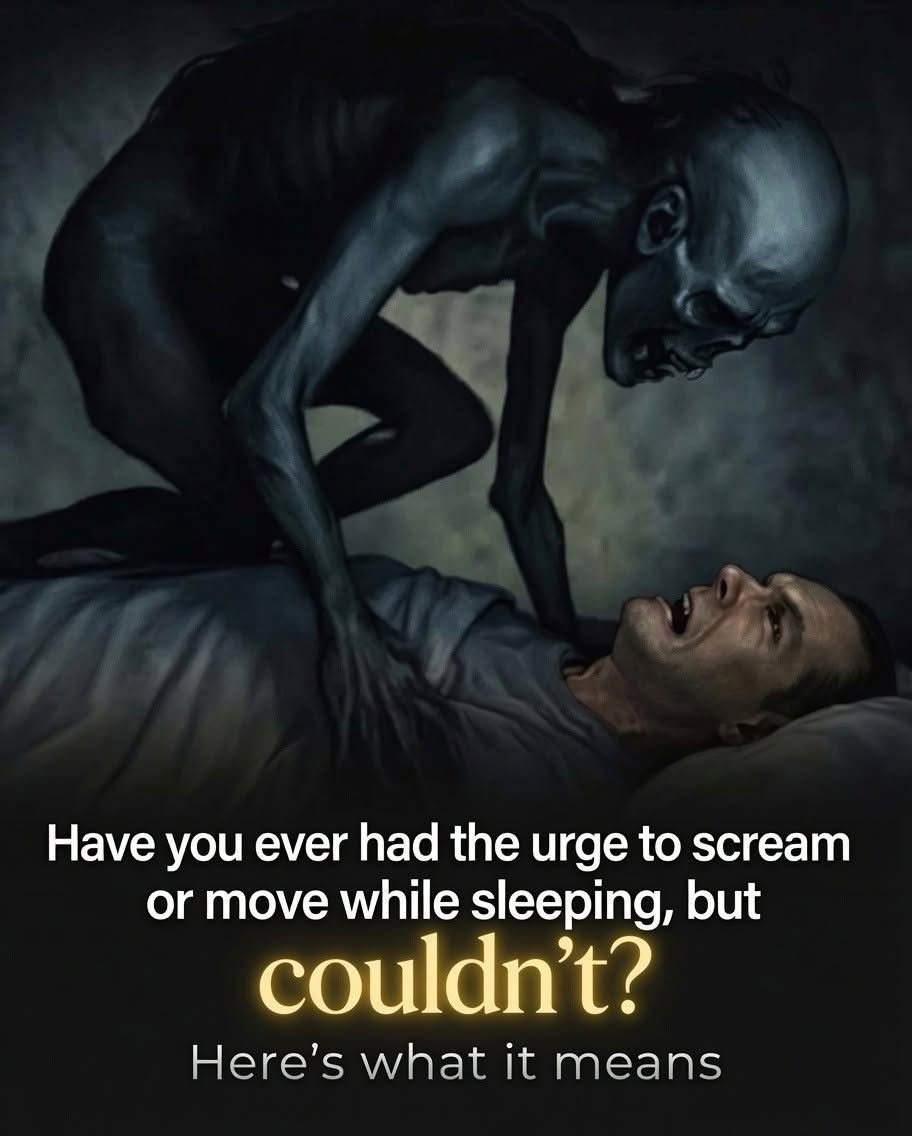
You can see the room. You may hear sounds around you. You know you’re awake—or at least you think you are awake—but you can’t move your body or speak.
Some people feel pressure on their chest. Others sense that someone is in the room, hear footsteps or voices, or see a frightening figure nearby.
The experience can feel supernatural or life-threatening.
But sleep paralysis has a scientific explanation.
It occurs when aspects of REM sleep and wakefulness temporarily overlap, leaving your awareness switched on while the normal muscle paralysis of REM sleep is still present.
What Exactly Is Sleep Paralysis?
Sleep paralysis is a temporary inability to move or speak when falling asleep or waking up.
During an episode, you may remain conscious and aware of your surroundings while being unable to voluntarily move most of your body.
Episodes typically last seconds to a few minutes, although they can feel much longer while you’re experiencing them.
Eventually, normal muscle control returns.
For most people, sleep paralysis itself isn’t dangerous.
The frightening part is the experience.
Why Does the Body vivid dreaming commonly occurs. During REM sleep, the brain sends signals that greatly reduce activity in many of the body’s Become Paralyzed During Sleep?
To understand sleep paralysis, it helps to understand REM sleep.
REM stands for rapid eye movement.
It’s the stage of sleep in which vivid dreaming commonly occurs. During REM sleep, the brain sends signals that greatly reduce activity in many of the body’s skeletal muscles.
This temporary muscle inhibition is called REM atonia.
It’s an important protective mechanism.
Imagine dreaming that you’re running.
If the muscles responsible for running were fully activated every time you dreamed, you could potentially act out your dreams physically.
During normal REM sleep, the brain largely prevents that from happening.
Sleep paralysis occurs when your conscious awareness returns before that muscle inhibition has completely disappeared.
In simple terms:
Your brain wakes up before your body has completely switched out of REM mode.
Why Can You See or Hear Things During Sleep Paralysis?
This is one of the most frightening aspects.
Some people experience hallucination-like sensations during an episode.
They may:
- See a person or shadow
- Hear voices or footsteps
- Feel someone’s presence
- Sense movement in the room
- Feel pressure on the chest
- Experience unusual bodily sensations
These experiences can happen because elements of dreaming are still active while the person is becoming conscious.
The brain is essentially in a strange middle state—partly awake and partly emerging from a dream.
That’s why an episode can feel incredibly real.
The “Someone Is in the Room” Feeling
A particularly common experience is sensing that another person or presence is nearby.
You might be convinced that someone is standing beside the bed.
This can be terrifying.
But it doesn’t mean someone is actually there.
Researchers have proposed that sleep-related hallucinations and altered awareness of the environment can create a powerful perception of another presence.
The brain is trying to interpret unusual sensations while you’re unable to move, and the result can be remarkably convincing.
Why Does It Sometimes Feel Like Someone Is Sitting on Your Chest?
Chest pressure is another frequently reported sensation.
During an episode, you may feel as though something heavy is pressing down on you.
This doesn’t necessarily mean that your breathing has stopped.
Breathing continues during sleep paralysis because the muscles responsible for basic breathing don’t become completely paralyzed in the same way as many voluntary skeletal muscles.
However, the combination of REM-related breathing changes, body position, anxiety, and altered perception can make breathing feel difficult or restricted.
That sensation can intensify fear.
Is Sleep Paralysis Dangerous?
For most people, an isolated episode is not dangerous.
It generally ends spontaneously as the brain and body fully transition into wakefulness.
The experience can nevertheless be extremely distressing.
People who experience repeated episodes may become afraid of going to sleep, which can create a cycle of anxiety and sleep deprivation.
If episodes are frequent or significantly affecting your sleep or daily life, talk with, your sleep may become lighter or more fragmented, and irregular sleep can increase the likelihood of sleep paralysis in susceptible a healthcare professional.
Who Is More Likely to Experience It?
Sleep paralysis can happen to anyone, but certain circumstances appear to increase the likelihood.
These include:
- Insufficient sleep
- Irregular sleep schedules
- Sleep deprivation
- High levels of stress
- Sleeping on your back
- Jet lag or major schedule changes
- Certain sleep disorders
It can also occur in association with narcolepsy, a neurological sleep disorder characterized by excessive daytime sleepiness and other symptoms.
Having sleep paralysis once does not mean you have narcolepsy.
Sleep Deprivation Can Be a Major Trigger
One of the most practical things you can do is protect your sleep schedule.
Going several nights with insufficient sleep can disrupt normal sleep architecture.
If you’re repeatedly staying up late, waking early, working rotating shifts, or frequently changing your bedtime, you may be more vulnerable to unusual transitions between sleep and wakefulness.
Aim for a consistent sleep schedule and enough sleep for your age and individual needs.
Stress May Also Play a Role
Periods of intense stress can interfere with sleep.
When you’re anxious, your sleep may become lighter or more fragmented, and irregular sleep can increase the likelihood of sleep paralysis in susceptible people.
This doesn’t mean stress is the only cause.
Rather, stress may contribute to the circumstances that make an episode more likely.
Relaxation techniques, regular exercise, consistent sleep times, and addressing the underlying source of stress can be helpful.
Does Sleeping on Your Back Make a Difference?
Some people report that episodes occur more often when sleeping supine—on their back.
The relationship isn’t fully understood, but the observation appears repeatedly in discussions of sleep paralysis.
If you notice a clear pattern, experimenting with a different comfortable sleeping position may be worth trying.
It isn’t a guaranteed solution, however.
What Should You Do During an Episode?
The most important thing to remember is:
It will pass.
Try to remain calm and remind yourself that sleep paralysis is temporary.
You may not be able to move your entire body, but some people find it easier to concentrate on a very small movement, such as gently moving a finger or toe.
Slow, controlled breathing can also help reduce panic.
Don’t waste energy trying to force your entire body to move at once.
As the episode ends, normal movement should return.
Can You Prevent Sleep Paralysis?
There isn’t a guaranteed way to prevent every episode, but improving sleep habits can reduce the likelihood for some people.
Consider:
- Maintaining a consistent bedtime and wake time
- Getting adequate sleep
- Avoiding repeated all-nighters
- Managing stress
- Limiting excessive alcohol close to bedtime
- Avoiding major disruptions to your sleep schedule
- Addressing other sleep problems
If episodes continue despite good sleep habits, discuss them with a healthcare professional.
When Should You Seek Medical Advice?
Occasional sleep paralysis usually isn’t a medical emergency.
But medical evaluation is appropriate if episodes are frequent, worsening, or interfering with your ability to sleep or function during the day.
Also speak with a healthcare professional if you experience:
- Extreme daytime sleepiness
- Sudden episodes of muscle weakness while awake
- Repeated unexplained loss of muscle control
- Unusual behaviors during sleep
- Loud snoring or witnessed pauses in breathing
- Significant anxiety surrounding sleep
These symptoms could indicate another sleep disorder that deserves evaluation.
What Sleep Paralysis Is Not
Sleep paralysis is sometimes interpreted through cultural or supernatural explanations.
Different cultures have stories about demons, spirits, witches, intruders, or other beings visiting people during sleep.
Those experiences are real as experiences—the person genuinely sees, hears, or feels something frightening.
But the scientific explanation is that sleep paralysis involves a temporary overlap between sleep-related processes and waking consciousness.
You don’t need to assume that something supernatural is happening to explain the experience.
Why Does It Feel So Real?
The brain doesn’t have a simple switch that instantly changes from “dreaming” to “fully awake.”
Transitions between sleep stages involve complex changes in brain activity.
During sleep paralysis, elements of REM sleep can remain active while conscious awareness has returned.
This creates a unique combination:
Awareness + dream imagery + REM muscle inhibition.
That’s enough to produce an experience that can feel completely real.
The Bottom Line
Sleep paralysis can be one of the most frightening experiences a person has while sleeping.
You may wake up aware of your surroundings but temporarily unable to move. You might feel pressure on your chest, hear sounds, see a figure, or sense that someone is nearby.
But there is a scientific explanation.
Sleep paralysis happens when waking consciousness returns before the muscle paralysis associated with REM sleep has completely disappeared.
The experience is usually brief and not dangerous, although it can be deeply unsettling.
The best defenses are good sleep habits, adequate rest, a regular schedule, and addressing underlying sleep problems.
And if episodes become frequent or occur alongside severe daytime sleepiness or other unusual symptoms, don’t simply endure them—talk with a healthcare professional about what’s happening.