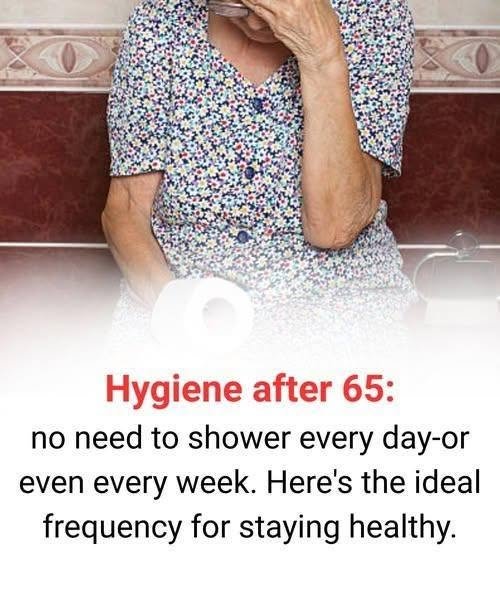
Why Daily Showers After 65 May Do More Harm Than Good less able to retain moisture. That means the shower routine that worked perfectly well at 30 or 40 may become unnecessarily harsh at exposure to hot water and
As we get older, our skin changes. It generally becomes thinner, drier, and less able to retain moisture. That means the shower routine that worked perfectly well at 30 or 40 may become unnecessarily harsh at 65 or beyond.
But there’s an important clarification: daily showering isn’t inherently harmful for everyone over 65. The potential problem is the combination of frequent washing, very hot water, harsh soaps, and vigorous scrubbing.
For many older adults, a gentler bathing routine can protect the skin barrier while still maintaining good hygiene.
1. Older Skin Often Becomes Drier
Aging skin tends to produce less oil and can lose moisture more easily.
Repeated exposure to hot water and cleansing products can remove some of the natural oils that help protect the skin.
The result may be:
- Tight or uncomfortable skin
- Flaking
- Itching
- Roughness
- Increased sensitivity
- Cracking
If you notice that your skin feels tight immediately after showering, your routine may be too drying.
2. Very Hot Showers Can Make Dryness Worse
A long, hot shower can feel wonderful, especially on a cold morning.
Unfortunately, very hot water can strip oils from the skin and aggravate dryness.
Try warm rather than very hot water, and keep showers relatively short.
You don’t need to make yourself uncomfortable with cold water. The goal is simply to avoid excessively hot, prolonged showers.
3. You Don’t Necessarily Need Soap Everywhere
One common misconception is that every part of the body needs vigorous soaping every day.
For many people, that’s unnecessary.
Pay particular attention to areas where sweat, oils, and bacteria accumulate, such as the armpits and groin.
A gentle cleanser can be used where needed, while excessively washing already-dry areas may contribute to irritation.
People who are incontinent, sweat heavily, work outdoors, or have certain medical conditions may require more frequent or thorough cleansing.
4. Scrubbing Hard Doesn’t Make You Cleaner
Washcloths, brushes, and exfoliating scrubs can make skin feel exceptionally smooth.
But aggressive scrubbing can irritate aging skin.
There’s no need to scrub until your skin feels “squeaky clean.”
That sensation can actually indicate that you’ve removed too much of the skin’s natural protective oils.
Use your hands or a soft washcloth and gentle movements instead.
5. Moisturizer Is Especially Important
One of the simplest improvements to an older person’s bathing routine is moisturizing soon after bathing.
After gently patting the skin dry, apply a fragrance-free moisturizer while the skin is still slightly damp.
Creams and ointments are often more effective at reducing dryness than very light lotions.
Ingredients such as ceramides, glycerin, and petrolatum can help support the skin barrier.
If a moisturizer burns or causes a rash, discontinue it and try a different formulation.
6. Itching Isn’t Always “Just Aging”
Dry skin is a common cause of itching in older adults, but persistent itching shouldn’t automatically be blamed on age.
Other possibilities include:
- Eczema
- Allergic reactions
- Medication effects
- Kidney or liver problems
- Thyroid disorders
- Certain blood disorders
- Skin infections
If itching is severe, widespread, persistent, or accompanied by a rash or other symptoms, it’s worth discussing with a healthcare professional.
7. Daily Showering Can Still Be Perfectly Reasonable
This is important because headlines can go too far.
There is no universal rule that people over 65 should stop showering every day.
Some older adults may prefer or need daily showers.
For example, daily bathing may make sense if someone:
- Exercises regularly
- Sweats heavily
- Works in a dirty environment
- Has bowel or bladder leakage
- Simply feels more comfortable showering every day
The solution isn’t necessarily fewer showers.
It’s less aggressive showers.
A short, warm shower with gentle cleansing may be much kinder to the skin than a long, hot shower followed by vigorous scrubbing.
8. Don’t Forget About Shower Safety
For older adults, showering has another important consideration: fall prevention.
Wet floors and sudden movements can create significant hazards.
Consider:
- A nonslip bath mat
- Properly installed grab bars
- Adequate lighting
- Keeping frequently used items within easy reach
- A shower chair if balance is a concern
- Avoiding rushing
Grab bars should be securely installed rather than relying on towel racks or other fixtures for support.
If you feel dizzy or unsteady during showers, tell your healthcare professional.
9. Be Careful With Water Temperature
Older adults may have reduced sensitivity to temperature.
That can increase the risk of burns from excessively hot water.
A comfortable warm temperature is preferable to very hot water.
If you’re helping another older person bathe, test the water carefully and avoid assuming that a temperature comfortable for you will be comfortable for them.
10. Hair Doesn’t Necessarily Need Daily Washing
The scalp also changes with age.
Some older adults have a dry scalp and may find that daily shampooing makes it worse.
Others have oily scalps and may prefer more frequent washing.
There’s no single schedule that works for everyone.
Use a gentle shampoo and adjust the frequency according to your scalp, hair type, and personal needs.
11. Bathing Habits Can Affect Existing Skin Conditions
If you have eczema, psoriasis, extremely dry skin, or another dermatological condition, your bathing routine may need to be adjusted.
Harsh soaps, fragrances, hot water, and excessive scrubbing can aggravate certain conditions.
A dermatologist can recommend specific cleansers and moisturizers if ordinary products aren’t working.
12. Hygiene Still Matters
The message shouldn’t be that older people don’t need to wash.
Good hygiene remains important.
Regular cleaning helps remove sweat, dirt, body oils, and microorganisms and can help prevent unpleasant odors and some skin problems.
The goal is to find the balance between being clean and unnecessarily stripping the skin’s protective barrier.
A Gentler Shower Routine After 65
A practical routine could look like this:
1. Use warm water.
Avoid very hot temperatures.
2. Keep the shower reasonably short.
You don’t need to spend 20 or 30 minutes under running water.
3. Use a gentle, fragrance-free cleanser.
Concentrate on areas that actually need cleansing.
4. Avoid aggressive scrubbing.
Your skin doesn’t need to be polished.
5. Pat rather than vigorously rub your skin dry.
6. Moisturize promptly.
Apply a fragrance-free cream or ointment while the skin is still slightly damp.
7. Make the bathroom safe.
Use appropriate nonslip surfaces and grab bars if needed.
When Should You Talk to a Doctor?
Don’t assume every skin problem is caused by showering.
Seek medical advice if you develop:
- Persistent or severe itching
- Recurrent skin infections
- Painful cracks
- Sores that don’t heal
- Significant swelling
- A rapidly changing rash
- Unexplained widespread dryness
- Dizziness or fainting during bathing
A healthcare professional can determine whether the problem is related to your bathing routine or something else.
The Bottom Line
After 65, daily showers aren’t automatically bad.
The bigger concern is excessive exposure to hot water, harsh cleansers, vigorous scrubbing, and long showers—especially when your skin is already dry.
If your skin becomes tight, itchy, flaky, or irritated after bathing, consider making your routine gentler:
warm water + shorter showers + mild cleanser + no aggressive scrubbing + moisturizer afterward.
And don’t overlook safety. For older adults, preventing a fall in the bathroom can be just as important as protecting the skin.
The best bathing routine isn’t necessarily the one you do less often. It’s the one that keeps you clean while being gentle on your skin and safe for your body.