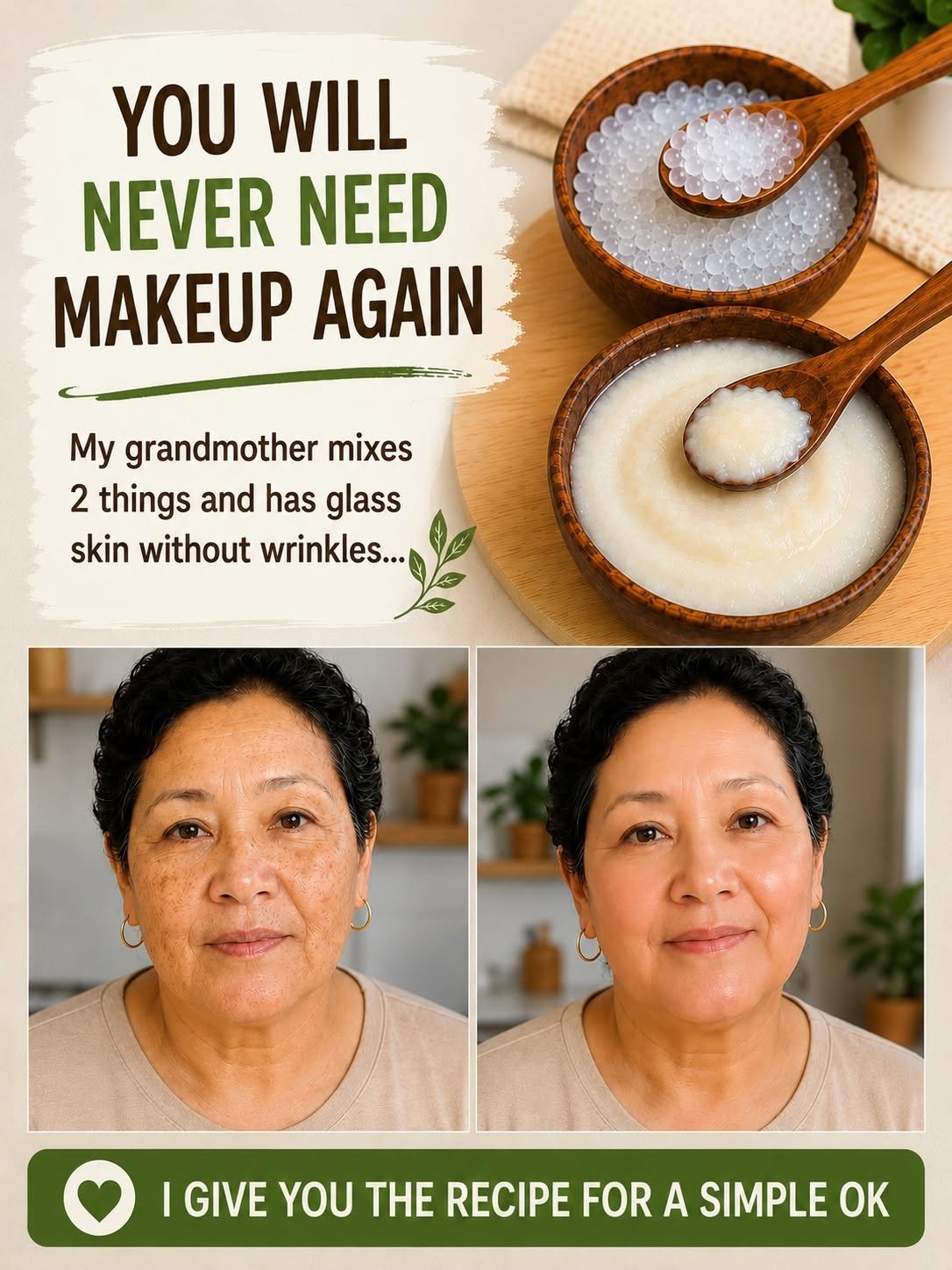
Are “2-Ingredient Glow Recipes” Fooling Your Skin Routine?
You may have seen viral beauty recipes promising brighter, smoother, younger-looking skin using just two ingredients from your kitchen.
The appeal is obvious: they’re inexpensive, simple, and sound more natural than a shelf full of skincare products.
But there’s a problem.
“Natural” doesn’t automatically mean safe, and “two ingredients” doesn’t automatically mean effective.
Some homemade combinations may temporarily make skin feel softer or look brighter, but others can irritate the skin barrier, worsen pigmentation, trigger allergic reactions, or simply waste your time. Dermatologists emphasize that even legitimate skincare ingredients can cause reactions when they’re used incorrectly. American Academy of Dermatology+1
1. Why Does Your Skin Look “Glowy” After Some DIY Recipes?
A homemade mask may temporarily make your skin appear smoother or brighter for several reasons.
For example, moisturizing ingredients can increase the amount of water in the outer layer of skin, making it look temporarily plumper.
Similarly, removing surface debris can make skin feel smoother.
But a temporary cosmetic effect isn’t necessarily the same thing as treating pigmentation, acne, wrinkles, or other underlying skin concerns.
That’s where many viral “glow recipes” become misleading.
2. Baking Soda Is Not a Miracle Facial Treatment
Baking soda frequently appears in homemade skincare recipes because it’s inexpensive and mildly abrasive.
But your face isn’t a surface that needs aggressive scrubbing.
Dermatologists recommend using gentle, non-abrasive cleansing and specifically caution against scrubbing because irritation can damage the skin. American Academy of Dermatology
Baking soda can also be irritating when used improperly.
If you’re trying to remove dark spots, blackheads, or dead skin by repeatedly rubbing baking soda onto your face, you may end up with irritation rather than healthier-looking skin.
3. Lemon Juice Is Another Popular—but Risky—Ingredient
Lemon juice is often promoted as a natural brightener.
The problem is that citrus juice is acidic and can irritate facial skin.
Putting irritating substances on your face in an attempt to lighten pigmentation can backfire. Inflammation itself can contribute to lingering discoloration, particularly in people prone to post-inflammatory hyperpigmentation.
So the fact that a recipe contains something “natural” doesn’t make it an appropriate treatment for dark spots.
4. Toothpaste Doesn’t Belong in Your Skincare Routine
Another viral trick involves applying toothpaste to pimples.
This is not a dermatologist-approved acne treatment.
The American Academy of Dermatology notes that toothpaste can contain ingredients such as abrasives, peroxide, whitening agents, and flavoring substances that may irritate or harm skin rather than treat acne. American Academy of Dermatology
A product formulated for teeth isn’t automatically suitable for facial skin.
5. Essential Oils Aren’t Automatically Gentle
Essential oils can smell wonderful, but concentrated essential oils applied directly to the face can cause irritation or allergic reactions.
Dermatologists specifically advise caution with essential oils in facial masks because they may be too strong for direct skin application. American Academy of Dermatology
If you enjoy botanical ingredients, choosing a properly formulated skincare product is generally more predictable than applying concentrated oils directly to your skin.
6. “It Worked for Me” Doesn’t Mean It Works for Everyone
Social media makes personal testimonials extremely persuasive.
Someone may post:
“I used this two-ingredient mask for seven days and my skin completely changed!”
But an individual experience doesn’t establish that the recipe is effective or safe.
Skin differs from person to person.
Someone with oily, resilient skin may tolerate an ingredient that causes burning or dryness in someone with eczema or sensitive skin.
Even properly formulated skincare products can cause allergic contact dermatitis in some individuals. American Academy of Dermatology
7. More Ingredients Aren’t Always Better—But Fewer Aren’t Automatically Better Either
There is a strange contradiction in online skincare.
One trend tells you to use 10 different products.
Another tells you that two kitchen ingredients can replace your entire routine.
Neither extreme is necessarily correct.
A simple skincare routine can be excellent.
The American Academy of Dermatology recommends a basic approach centered around cleansing, moisturizing, and protecting the skin from the sun. American Academy of Dermatology
The goal isn’t to use the fewest possible ingredients.
It’s to use the right products for your particular skin concerns.
8. Your Skin Barrier Deserves More Attention
Your skin has a protective barrier that helps retain moisture and protect against environmental irritants.
When you repeatedly use harsh scrubs, strong acids, irritating masks, or unnecessary DIY treatments, that barrier can become compromised.
You may notice:
- Dryness
- Tightness
- Burning
- Redness
- Flaking
- Increased sensitivity
- More frequent breakouts
Ironically, someone trying to achieve “glowing skin” can end up with duller, irritated skin by constantly experimenting.
Dermatologists warn that inappropriate or overused masks can damage the skin barrier and cause irritation, dryness, or breakouts. American Academy of Dermatology
9. A Better Two-Step Approach
If you love the simplicity of a two-step skincare routine, you don’t need a complicated kitchen recipe.
Try thinking of it this way:
Morning:
- Gentle cleansing, if needed.
- Moisturizer and broad-spectrum sunscreen.
Evening:
- Gentle cleanser.
- Appropriate moisturizer or treatment product.
If you have acne, dark spots, wrinkles, or another specific concern, add one evidence-based treatment rather than constantly switching between homemade recipes.
Dermatologists also recommend applying treatments after cleansing and then moisturizing and/or applying sunscreen. American Academy of Dermatology
10. Sunscreen Is One of the Biggest “Glow” Secrets
If your goal is brighter, more even-looking skin, don’t overlook sun protection.
Ultraviolet exposure contributes to premature skin aging and can worsen the appearance of age spots and uneven pigmentation.
Daily broad-spectrum sunscreen with SPF 30 or higher is a much more meaningful long-term investment in your skin than a five-minute homemade mask. American Academy of Dermatology
And if you’re treating pigmentation, protecting the skin from further ultraviolet exposure is especially important.
11. Moisturizing Can Make Skin Look Better Immediately
Sometimes what people describe as “glowing” skin is simply well-hydrated skin.
A good moisturizer can temporarily make fine lines look less noticeable and leave the skin feeling softer and smoother.
Look for ingredients suited to your skin type, such as glycerin, hyaluronic acid, ceramides, or petrolatum when appropriate.
Dermatologists recommend creams and ointments containing moisturizing ingredients for dry skin and emphasize protecting the skin barrier. American Academy of Dermatology
12. Patch-Test New Products
Even if a product looks harmless, don’t assume your skin will tolerate it.
Dermatologists recommend testing new skincare products on a small area before applying them broadly. Their guidance suggests testing twice daily for 7–10 days when practical, watching for redness, itching, swelling, or other reactions. American Academy of Dermatology
If something burns or causes a significant reaction, wash it off and stop using it.
“It’s natural” isn’t a reason to ignore a skin reaction.
What About Homemade Face Masks?
Not every homemade mask is automatically dangerous.
Some simple ingredients may be relatively gentle for certain people.
But homemade recipes have disadvantages: you don’t always know the concentration, pH, purity, stability, or how the ingredients will interact with your skin.
Commercial skincare products are formulated with these factors in mind.
The American Academy of Dermatology notes that properly formulated facial masks can help with concerns such as hydration, acne, or signs of aging, but they aren’t substitutes for treatment of medical skin conditions. American Academy of Dermatology
Ingredients Worth Being Cautious About
Think twice before putting these directly on your face:
- Gentle cleanser.
- Appropriate moisturizer or treatment product.
10. Sunscreen Is One of the Biggest “Glow” Secrets
Daily broad-spectrum sunscreen with SPF 30 or higher is a much more meaningful long-term investment in your skin than a five-minute homemade mask.
11. Moisturizing Can Make Skin Look Better Immediately
Sometimes what people describe as “glowing” skin is simply well-hydrated skin.
- Lemon or lime juice
- Undiluted essential oils
- Baking soda
- Toothpaste
- Harsh physical scrubs
- Rubbing alcohol
- Strong acids not formulated for facial use
- Concentrated household products
Some may produce a dramatic sensation—tingling, tightening, cooling, or peeling.
A dramatic sensation doesn’t mean a treatment is working.
Burning can simply mean your skin is being irritated.
When Should You Stop a DIY Recipe?
Stop immediately if you experience:
- Burning
- Significant stinging
- Swelling
- Blistering
- Severe redness
- Hives
- Persistent itching
- Peeling or painful skin
Gently wash the product away.
If the reaction is severe or doesn’t improve, seek medical advice. Dermatologists can help identify whether you’re experiencing irritation, an allergic reaction, or another skin condition. American Academy of Dermatology
The Bottom Line
The idea that “two ingredients from your kitchen can transform your skin” is appealing, but it’s often more marketing than science.
A good skincare routine doesn’t need to be complicated.
It needs to be gentle, consistent, appropriate for your skin, and supported by evidence.
If you want healthier-looking skin, prioritize:
- Gentle cleansing
- Regular moisturizing
- Daily sun protection
- Evidence-based treatments for specific concerns
- Patience and consistency
And don’t assume that a recipe is safe simply because it contains ingredients you can eat.
Your skin doesn’t need to be shocked into glowing. It needs to be protected, moisturized, and treated according to what it’s actually dealing with. American Academy of Dermatology+1