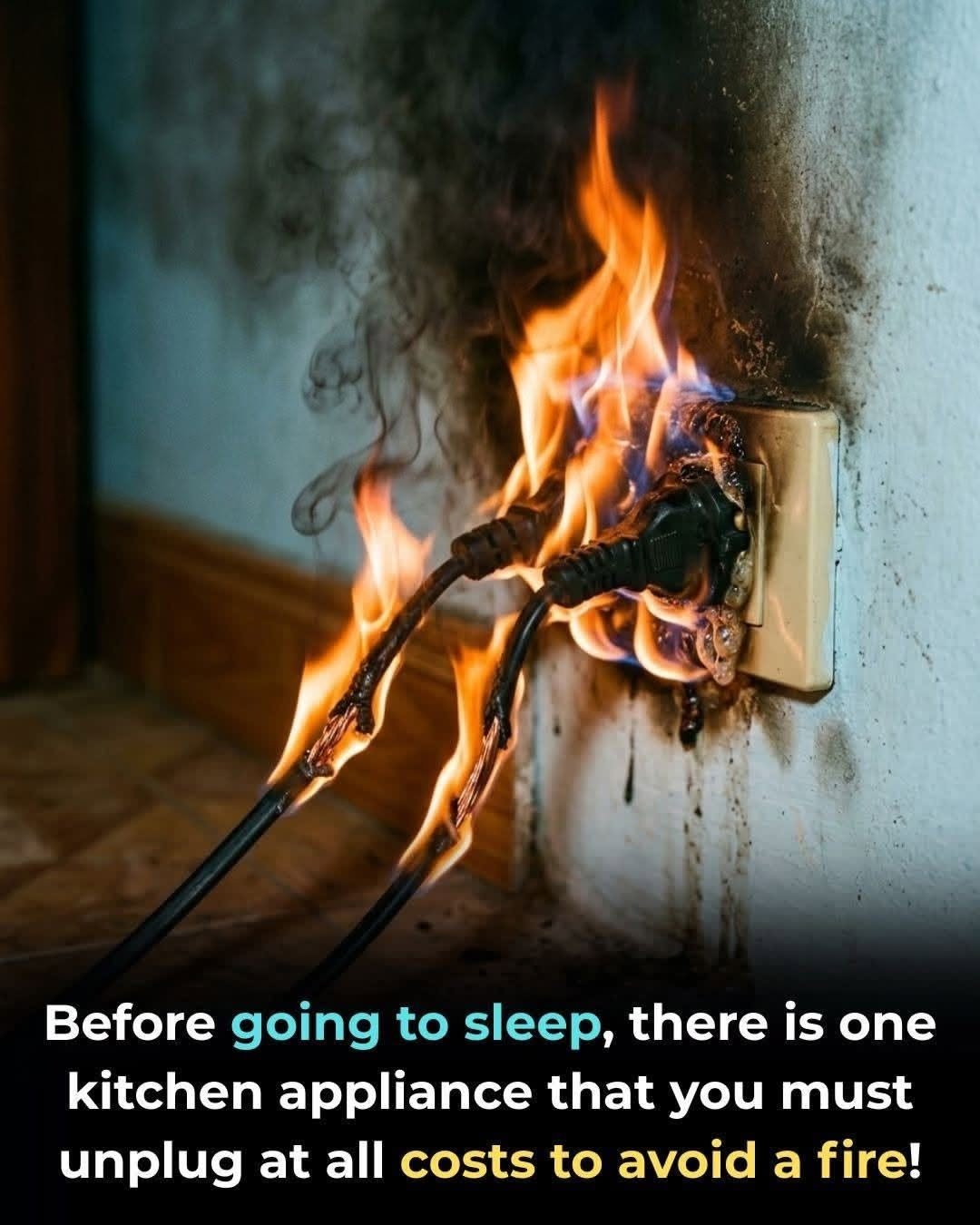
Protect Your Home and Wallet: Unplug These 5 Appliances When You’re Done Using Them
Many household appliances continue drawing a small amount of electricity even when they appear to be turned off. This is often called standby power or phantom load.
For most modern appliances, the amount is small. However, unplugging certain devices can also reduce risks associated with overheating, electrical faults, or unattended heating elements.
Here are five appliances and devices worth paying particular attention to.
1. Space Heaters
Space heaters deserve special attention because they generate substantial heat.
When you’re finished using one, turn it off and unplug it, especially before leaving the room or going to sleep.
Keep heaters away from curtains, bedding, furniture, and other combustible materials, and plug them directly into a suitable wall outlet rather than an overloaded extension cord.
Safety matters more than the relatively small electricity savings.
2. Toasters and Toaster Ovens
Toasters contain heating elements that become extremely hot.
Although a toaster that is properly switched off generally isn’t actively heating, unplugging it after use is a simple precaution—particularly if the appliance is old, damaged, or located where it could be accidentally activated.
Always remove crumbs regularly and never leave a toaster operating unattended.
3. Hair Straighteners and Curling Irons
These devices can reach very high temperatures.
A forgotten hair straightener sitting on a countertop or near fabric can create a fire hazard.
Make unplugging your styling tools part of your routine immediately after use. Allow them to cool on a heat-resistant surface before storing them.
4. Coffee Makers
Many coffee makers use electricity to maintain a warming plate or keep internal components ready even after brewing has finished.
If your coffee maker doesn’t have an automatic shutoff, turn it off and unplug it when you’re finished.
Modern models with automatic shutoff reduce this concern, but unplugging them when they’re not needed can still eliminate standby consumption.
5. Chargers and Power Adapters You Aren’t Using
An unused phone or laptop charger generally draws only a very small amount of electricity when it remains plugged in without a device connected.
So the bigger issue isn’t usually a dramatic electricity bill.
Instead, damaged, poorly manufactured, or overheating adapters can present an electrical or fire risk. Inspect chargers for cracked insulation, exposed wires, unusual heat, buzzing, or discoloration, and replace damaged ones.
What About TVs, Microwaves, and Computers?
These appliances can consume standby power, but unplugging everything in your home isn’t usually necessary.
Modern electronics are designed to operate in standby mode, and the savings from unplugging an individual low-power device may be quite small.
A better strategy is to focus on devices that:
- Generate significant heat
- Are used intermittently
- Have older or questionable wiring
- Don’t have automatic shutoff
- Won’t be damaged or inconvenienced by being unplugged
Use a Smart Power Strip for Multiple Devices
If several entertainment devices are connected together—such as a TV, speakers, game console, and streaming equipment—a switchable power strip can make it easier to disconnect them when they’re not needed.
This avoids repeatedly reaching behind furniture to unplug individual devices.
Don’t Unplug Appliances That Need Continuous Power
Some equipment should generally remain connected unless the manufacturer specifically says otherwise.
Examples can include:
- Refrigerators and freezers
- Medical equipment
- Security systems
- Wi-Fi/network equipment
- Smoke or carbon-monoxide alarms
- Certain water-heating or heating systems
Unplugging these can create more problems than it solves.
The Biggest Electricity Savings Are Elsewhere
If your goal is to lower your electricity bill, don’t expect unplugging five small appliances to produce a dramatic reduction.
Greater savings often come from reducing heating and cooling demand, improving insulation, using efficient lighting, choosing efficient appliances, and avoiding unnecessary operation of high-power equipment.
Standby power is real, but its contribution varies considerably by appliance and household.
Bottom Line
Unplugging appliances isn’t a magic way to slash your electricity bill, but it can be a sensible safety habit for heat-producing appliances and devices that don’t need to remain powered.
The five worth remembering are:
- Space heaters
- Toasters/toaster ovens
- Hair straighteners and curling irons
- Coffee makers
- Unused or damaged chargers/adapters
The most important rule is simple: turn off heat-producing appliances when you’re finished, unplug them when appropriate, and never leave potentially hazardous heating devices unattended.