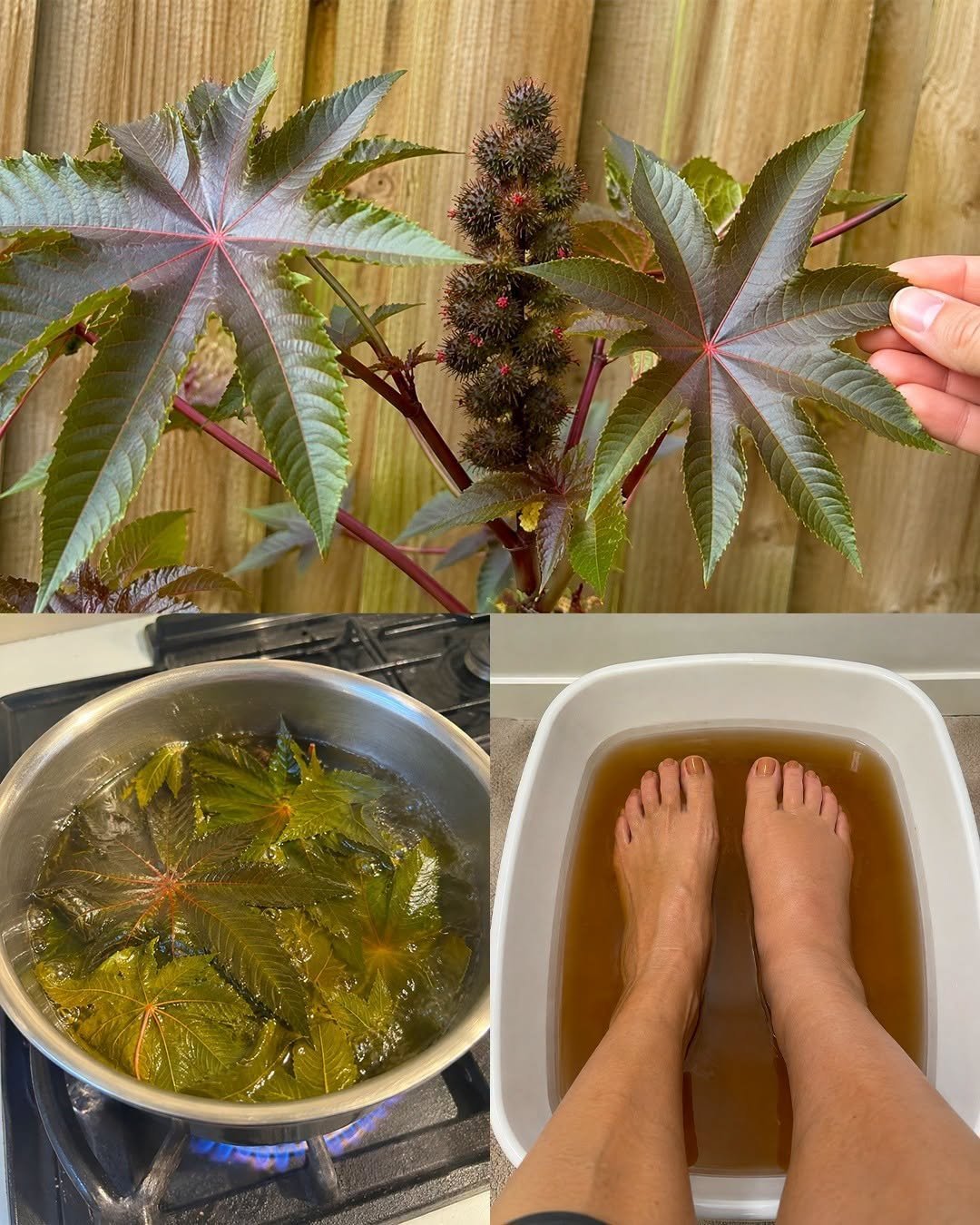
⚠️ This Plant Is Very Dangerous—Especially the Seeds
If you’re referring to a plant whose seeds are highly poisonous while its leaves have been investigated for medicinal compounds, the most important point is that “natural” does not mean safe.
Several plants fit that description, so I wouldn’t identify it from this wording alone. Some toxic plants contain potent compounds that can cause serious poisoning if seeds, leaves, sap, or other parts are swallowed.
Why the Seeds Can Be Especially Dangerous
Seeds may contain concentrated defensive chemicals designed to protect the plant from being eaten. Depending on the species, these compounds can affect the:
- Nervous system
- Heart
- Digestive system
- Liver or kidneys
- Blood pressure and circulation
The danger can vary substantially with the plant species, preparation, amount consumed, and individual.
What About the Leaves?
A plant having potentially useful compounds in its leaves doesn’t make the leaves safe to eat or use as a home remedy.
Researchers may isolate a chemical from a plant and study it under controlled conditions, but that is very different from consuming the raw plant. The concentration, toxicity, and interactions can be unpredictable.
⚠️ Don’t Experiment With the Seeds
Don’t chew, crush, grind, brew, or otherwise prepare unidentified seeds or plant material for consumption. Cooking or soaking does not necessarily make poisonous plant material safe.
If someone has already swallowed an unidentified plant or seed, don’t induce vomiting unless a medical professional or poison-control service specifically instructs you to do so.
If You Mean a Specific Plant
Send me a photo of the plant (especially the leaves, flowers, and seeds) or tell me its name. I can explain exactly what makes it dangerous, which compounds are involved, whether the leaves have any scientifically studied uses, and what symptoms poisoning can cause.