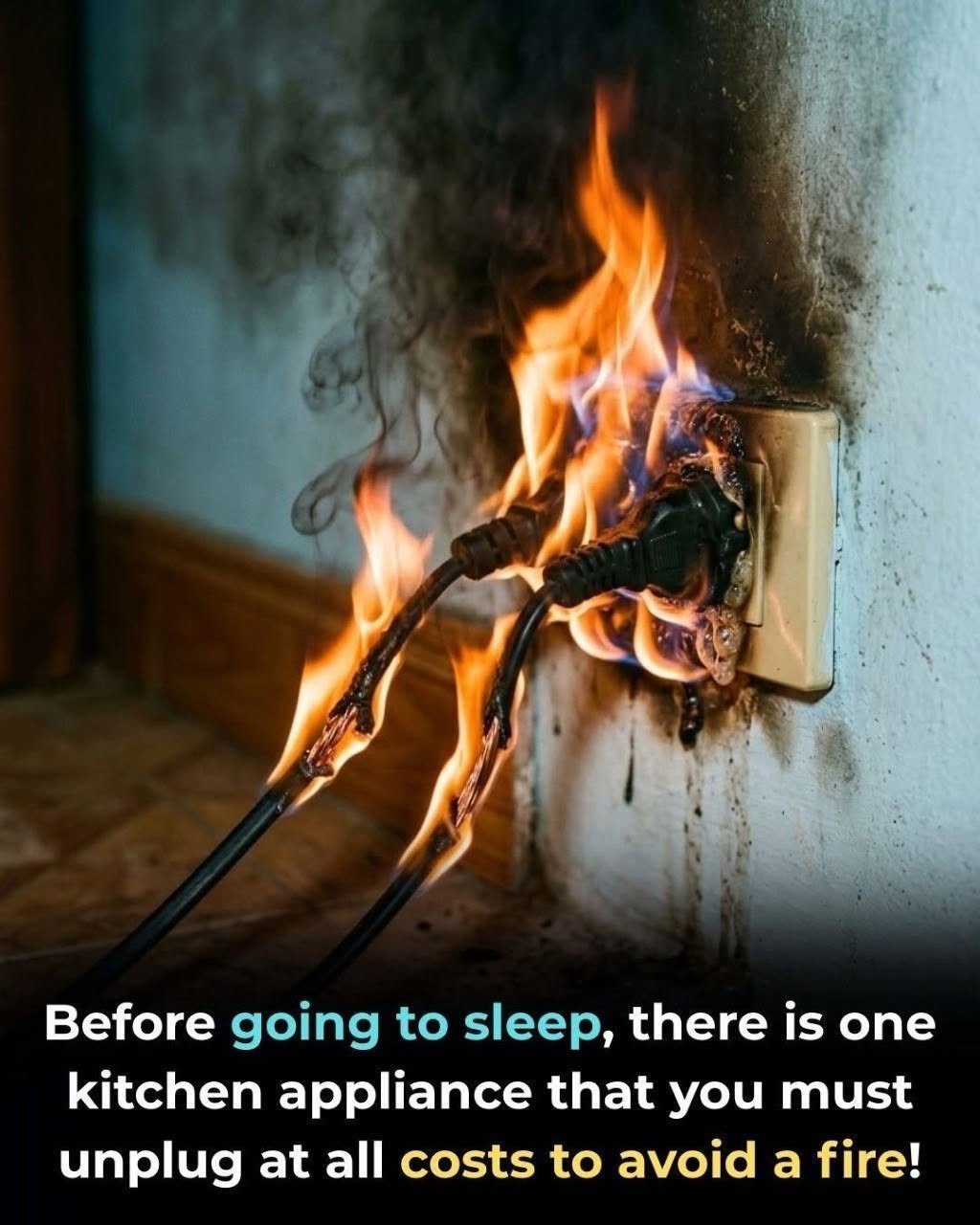
Before Going to Sleep, There Is One Kitchen Appliance You Must Unplug to Reduce Fire Risk
One appliance that deserves particular attention is a countertop toaster. Unlike appliances that are designed to remain safely connected to power, a toaster can accumulate crumbs and food debris around its heating elements. Electrical or mechanical faults can also create a fire hazard. Unplugging it after use is a simple precaution, especially before leaving the house or going to bed.
1. Toasters Can Reach Extremely High Temperatures
A toaster works by sending electrical current through heating elements that become extremely hot.
That heat is normally contained within the appliance, but anything combustible that gets too close can potentially ignite.
This is why a toaster should be kept away from curtains, paper towels, wooden objects, and other flammable materials.
2. Crumbs Can Accumulate Inside
Small pieces of bread can fall beneath the heating elements and collect in the bottom of the toaster.
Over time, accumulated crumbs can become a source of combustible material.
Regularly empty the toaster’s crumb tray and clean it according to the manufacturer’s instructions.
Never turn the appliance upside down and shake it aggressively if doing so could damage the mechanism.
3. Electrical Faults Can Happen When You’re Not Watching
Any electrical appliance can potentially develop a fault.
Damaged cords, loose connections, internal component failures, or overheating can create hazards.
Unplugging a toaster when it isn’t being used removes its connection to the electrical supply and is therefore a straightforward precaution.
4. Don’t Leave a Toaster Running Unattended
A toaster should be used while you’re awake and able to respond if something goes wrong.
Don’t start a cooking cycle and leave the kitchen for an extended period.
If food becomes stuck, unplug the toaster before attempting to remove it.
Never insert a knife, fork, metal utensil, or other conductive object into a toaster while it is plugged in.
5. Inspect the Power Cord
Before using the appliance, check for:
- Frayed insulation
- Cuts
- Exposed wires
- Burn marks
- Melted plastic
- A loose plug
- Signs of overheating
If you notice damage, stop using the toaster and replace or professionally repair it as appropriate.
Don’t continue using an appliance simply because it still appears to work.
6. Keep the Area Around It Clear
Even a properly functioning toaster needs adequate space around it.
Keep it away from:
- Curtains
- Paper
- Dish towels
- Packaging
- Wooden utensils
- Plastic objects
Don’t store combustible items directly above or beside an appliance that produces significant heat.
7. Don’t Put Wet or Unsuitable Items Into a Toaster
A toaster is designed for appropriate bread products—not for foods that can drip, melt, or spill into the mechanism.
Excess moisture or food debris can interfere with the appliance and potentially create electrical or fire hazards.
Follow the manufacturer’s instructions regarding what can safely be toasted.
8. Other Appliances Also Deserve Attention
A toaster isn’t the only kitchen appliance worth checking before bedtime.
Pay attention to appliances such as:
- Portable countertop cooking appliances
- Electric kettles
- Coffee makers
- Toaster ovens
- Portable hot plates
- Air fryers
Whether an appliance should remain plugged in depends on its design, instructions, condition, and how it is being used.
The safest general habit is to turn off appliances after use and unplug portable appliances when they’re not needed, particularly those that generate substantial heat.
9. Don’t Unplug Appliances With Wet Hands
If you’re disconnecting an appliance, make sure your hands are dry and that the area around the plug is dry.
Pull the plug from the plug body rather than yanking the cord.
Damaging the cord over time can create an additional electrical hazard.
10. Make a Quick Nighttime Safety Check
Before going to bed, take a few seconds to check your kitchen.
Make sure:
- Cooking appliances are switched off.
- Portable heating appliances aren’t unnecessarily energized.
- The toaster is unplugged.
- The oven and stovetop are off.
- Flammable materials aren’t next to hot appliances.
- Damaged electrical cords aren’t being used.
- Smoke alarms are functioning.
These simple habits can reduce avoidable household fire risks.
Final Takeaway
A countertop toaster is a sensible appliance to unplug after use, particularly before going to sleep. Its heating elements become extremely hot, and crumbs or electrical faults can create hazards.
But there isn’t a universal rule that one particular appliance must be unplugged “at all costs.” Always follow the manufacturer’s safety instructions, keep heat-producing appliances clear of combustible materials, and never leave an appliance operating unattended when it isn’t designed for that use.