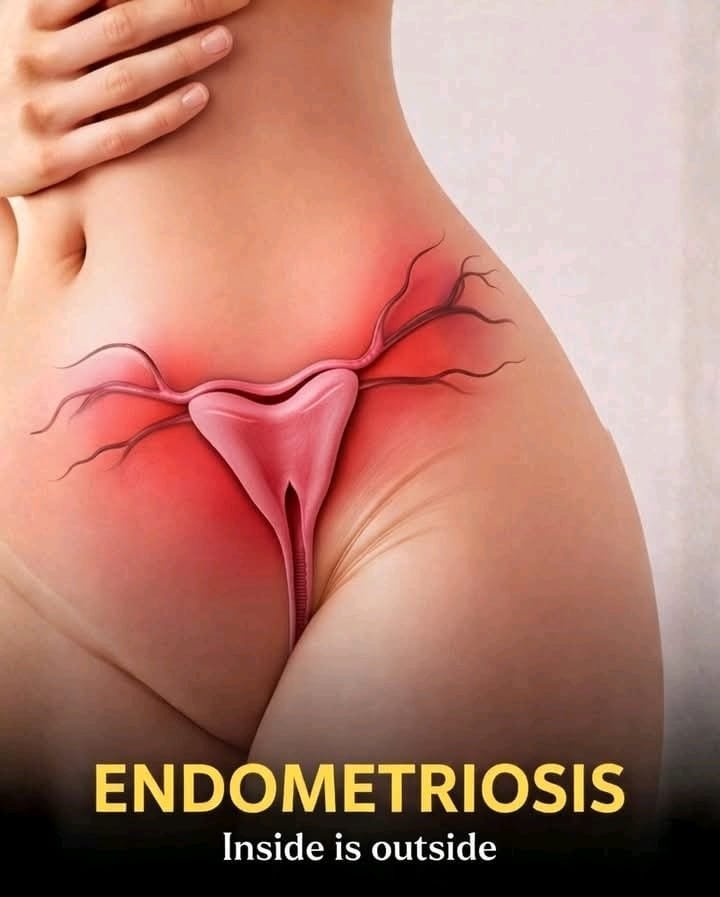
Here’s a clear, thorough, and practical guide on endometriosis—covering what every woman should know about symptoms, causes, and management.
Women Should Know About Endometriosis: Symptoms, Causes, and Management
Endometriosis is a chronic condition where tissue similar to the lining of the uterus (endometrium) grows outside the uterus, often affecting the ovaries, fallopian tubes, and pelvic lining. It can impact fertility, quality of life, and overall health.
1. Common Symptoms
Endometriosis affects women differently, but typical signs include:
- Painful periods (dysmenorrhea) – severe cramps, often worsening over time
- Chronic pelvic pain – outside of menstruation
- Pain during intercourse (dyspareunia)
- Painful bowel movements or urination – especially during menstruation
- Heavy or irregular bleeding
- Infertility or difficulty conceiving
- Fatigue, bloating, or digestive issues
Symptoms can be mild or severe, and sometimes endometriosis is asymptomatic.
2. Possible Causes
The exact cause is not fully understood, but several factors may contribute:
- Retrograde menstruation – menstrual blood flows backward into the pelvic cavity
- Genetics – family history increases risk
- Immune system dysfunction – may fail to clear endometrial cells outside the uterus
- Hormonal influence – estrogen promotes endometrial tissue growth
- Surgical or tissue trauma – scar tissue can encourage abnormal growth
3. Diagnosis
- Pelvic exam – to detect abnormalities
- Ultrasound or MRI – to identify cysts or tissue growths
- Laparoscopy – minimally invasive surgery to visualize and sometimes remove lesions; considered the gold standard
4. Management Options
Treatment depends on severity, symptoms, and fertility goals:
a. Pain Management
- Over-the-counter pain relievers (NSAIDs like ibuprofen)
- Heat therapy (pads or warm baths)
b. Hormonal Therapy
- Birth control pills, patches, or rings
- Gonadotropin-releasing hormone (GnRH) agonists or antagonists
- Progestin therapy
c. Surgery
- Laparoscopic removal of endometrial lesions
- Hysterectomy in severe, non-fertility-concerned cases
d. Lifestyle and Support
- Regular exercise and stretching
- Anti-inflammatory diet (rich in fruits, vegetables, omega-3s)
- Stress management (yoga, meditation, counseling)
5. When to See a Doctor
- Severe or worsening pelvic pain
- Difficulty conceiving
- Painful intercourse or bowel/bladder symptoms
- Heavy or irregular periods
Early diagnosis and management improve quality of life and fertility outcomes.
Bottom Line
Endometriosis is common, often underdiagnosed, and can be debilitating—but early recognition, medical care, and lifestyle strategies can make a real difference. Women should track symptoms, advocate for themselves, and seek professional guidance if anything feels abnormal.
If you want, I can also create a quick “women’s health infographic” version highlighting the main symptoms, causes, and management tips—it would be perfect for sharing or printing.
Do you want me to make that?
