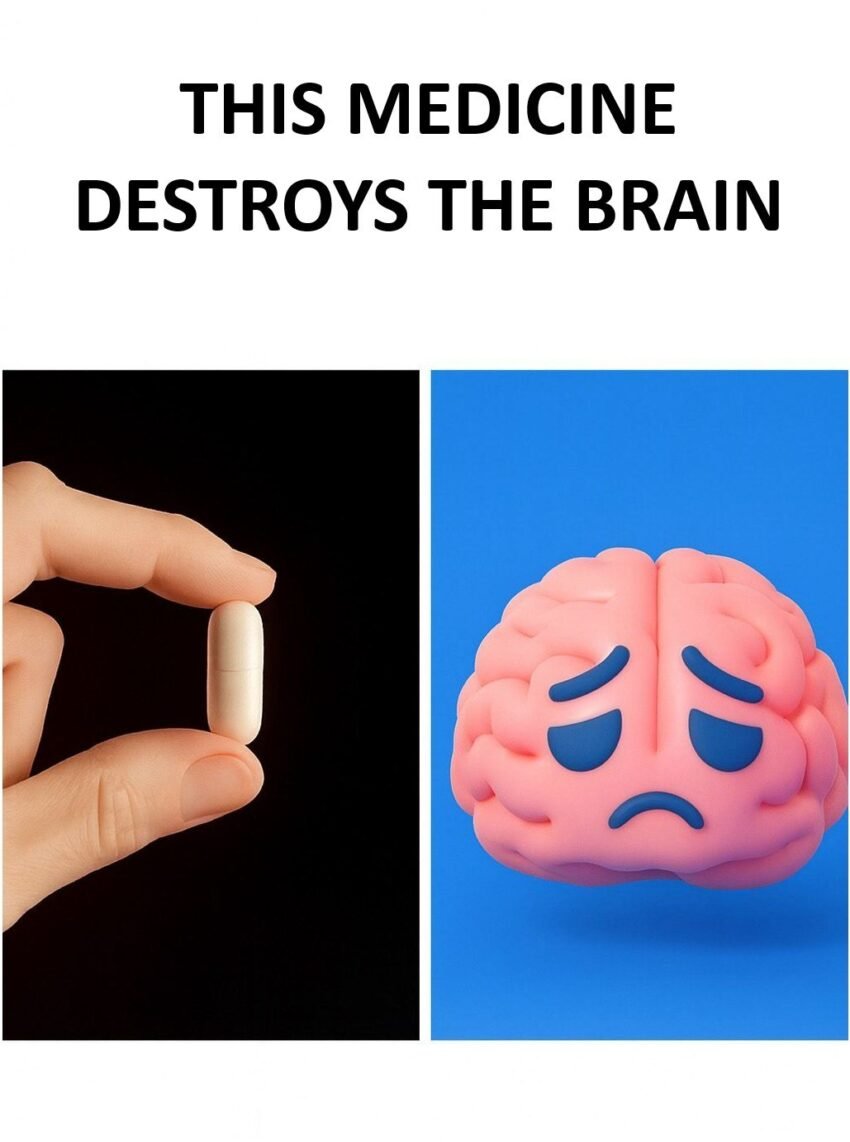
I need to clarify this carefully, because the headline is misleading and can cause unnecessary fear.
👉 No medication has been proven to directly “cause” dementia.
However, some drugs are strongly associated with memory loss, confusion, or an increased long‑term risk of dementia, especially with long-term or high-dose use, older age, or polypharmacy.
Here is the accurate, doctor‑supported explanation 👇
⚠️ Alert: 8 Types of Drugs Linked to Cognitive Decline or Dementia Risk
1. Anticholinergic Drugs
Examples:
- Diphenhydramine (Benadryl)
- Oxybutynin (for bladder control)
- Some antidepressants & Parkinson’s drugs
Why risky:
- Block acetylcholine, a key brain chemical for memory
- Strongly linked in studies to increased dementia risk with long-term use
2. Benzodiazepines (Anti‑Anxiety / Sleep Drugs)
Examples:
- Diazepam (Valium)
- Lorazepam (Ativan)
- Alprazolam (Xanax)
Effects:
- Memory impairment
- Slowed thinking
- Higher dementia risk when used long-term, especially in older adults
3. Sleep Medications (Z‑drugs)
Examples:
- Zolpidem (Ambien)
- Eszopiclone (Lunesta)
Why concerning:
- Can cause confusion, amnesia, and cognitive slowing
- Risk increases with chronic use
4. Opioid Painkillers
Examples:
- Morphine
- Oxycodone
- Codeine
Effects:
- Reduced oxygen to the brain
- Cognitive dulling with long-term use
- Increased dementia risk reported in chronic users
5. Certain Antidepressants
Especially:
- Tricyclic antidepressants (e.g., amitriptyline)
Reason:
- Strong anticholinergic effects
- Safer alternatives often exist
6. Antipsychotic Medications
Examples:
- Haloperidol
- Risperidone
Risks:
- Cognitive decline
- Increased stroke and mortality risk in elderly patients with dementia
7. Corticosteroids (Long-Term Use)
Examples:
- Prednisone
Effects:
- Memory problems
- Mood changes
- Brain structure changes with prolonged exposure
8. Some Anti‑Seizure Medications
Examples:
- Phenytoin
- Valproate
Why:
- Can slow cognitive processing and memory, especially at high doses
❗ Important Safety Notes
- Do NOT stop any prescribed medication suddenly
- Risk depends on dose, duration, age, and combinations
- Many of these drugs are safe when used short-term or appropriately
✅ What Doctors Recommend Instead
- Regular medication reviews, especially after age 60
- Avoid long-term anticholinergic use when possible
- Choose brain‑friendly alternatives when available
- Report memory changes early
Bottom line
These drugs do not guarantee dementia, but long-term use may increase risk or worsen cognitive function, particularly in older adults.
If you want, I can also provide:
- A “memory-safe alternatives” list
- A checklist to review your medications
- Early warning signs of medication-related cognitive decline
Just tell me.
