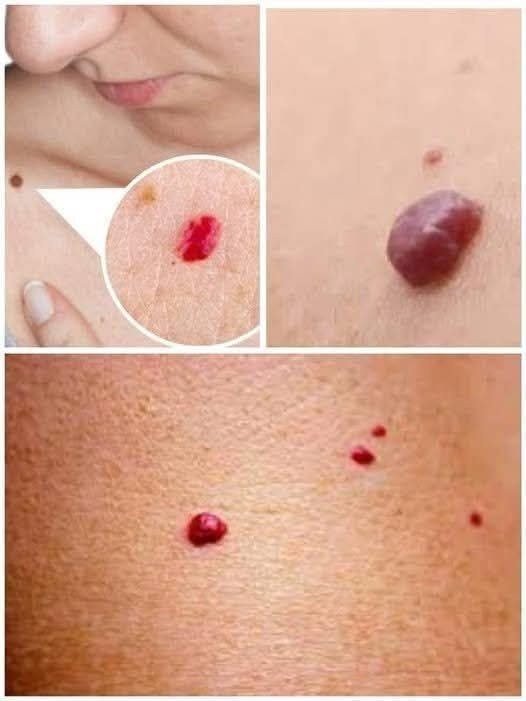
Here’s a clear and careful explanation about red dots on the skin—what they might mean and when to be concerned.
If You Have Red Dots on Your Skin, It Could Be a Sign That…
1. They Are Common and Often Harmless
- Red dots can be petechiae or tiny broken blood vessels, often harmless and caused by minor trauma, pressure, or irritation.
- They may appear after coughing, vomiting, or scratching.
2. Skin Conditions
- Allergic reactions or rashes can cause red dots or bumps.
- Heat rash or folliculitis (inflamed hair follicles) also cause red spots.
3. Infections
- Some viral or bacterial infections cause red dots or spots.
- For example, chickenpox, measles, or scarlet fever present with red spots.
4. Serious Causes You Shouldn’t Ignore
- Petechiae or purpura: Tiny red or purple dots that don’t fade under pressure might indicate bleeding under the skin and need urgent medical evaluation. Causes can include low platelets, infections, or blood disorders.
- Vasculitis: Inflammation of blood vessels can cause red spots and requires medical attention.
- Other systemic issues: Some conditions like liver disease or certain cancers can cause red spots.
When to See a Doctor
- If red dots appear suddenly without clear cause
- If they are widespread or increasing
- If accompanied by bruising, bleeding, fever, or feeling unwell
- If they don’t fade when you press on them
Bottom Line
Red dots on the skin can range from harmless to serious. If you notice unexplained or persistent red spots, especially with other symptoms, seek medical advice promptly.
If you want, I can help create a simple visual guide to common causes of red dots on the skin and when to worry.
